















The United States is shifting its focus of pressure on Iran to financial and trade channels. The new round of measures targets not only government revenue sources but also includes digital assets, gold, and shipping, which are commonly used by civilians, within the scope of the crackdown. The international community is paying attention to the chain effects these measures may have on Iran's economic and social stability.
Digital assets and gold are being targeted
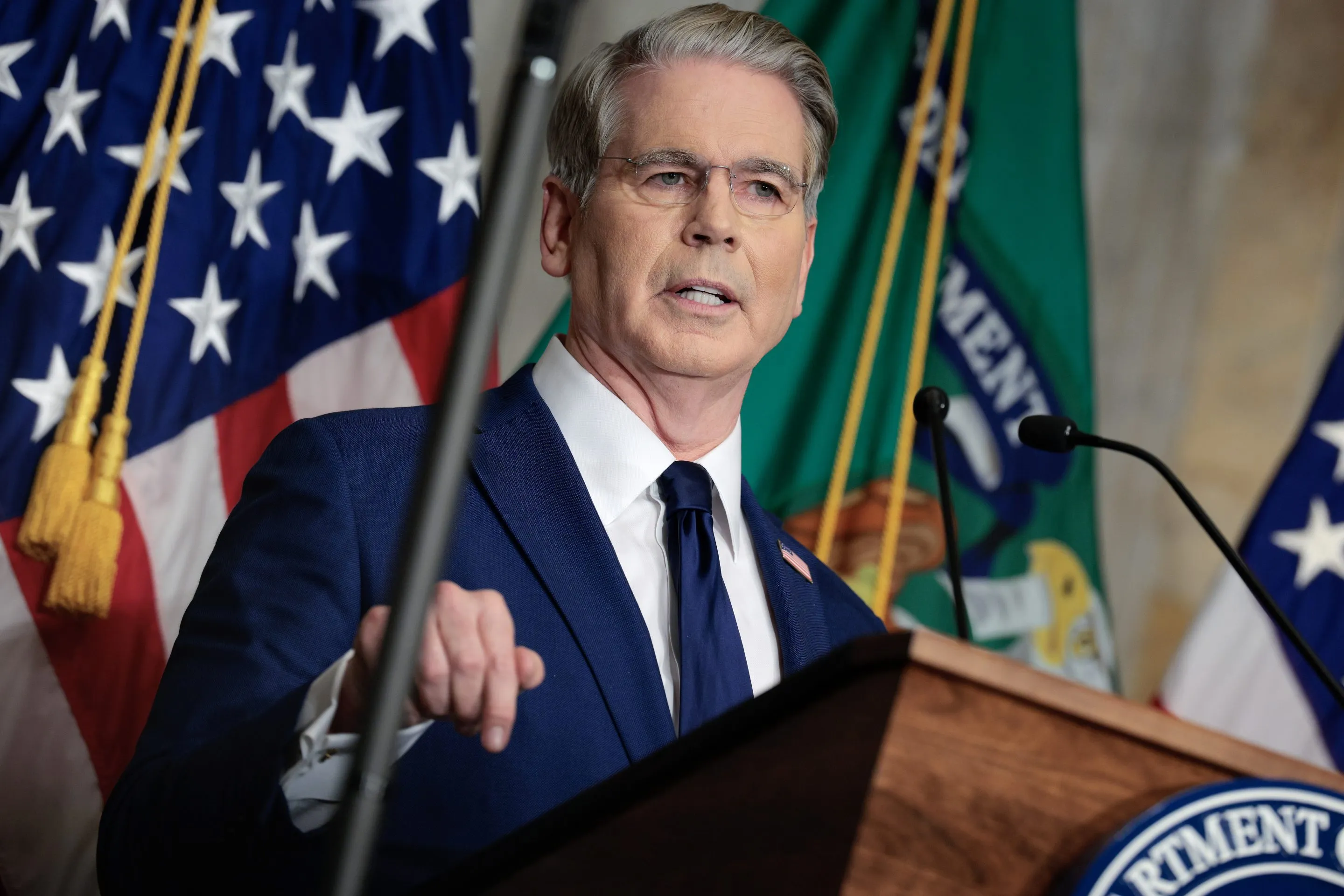
U.S. Treasury Secretary Scott Bosworth stated that Washington will expand secondary sanctions against companies and countries that do business with Iran, and warned that countries that assist Iran may be excluded from the U.S. dollar financial system.
He simultaneously pointed out five key "lifelines" for Iran, including digital assets, technology, gold, aviation, and shipping. Among these, digital assets and gold are seen not only as channels to circumvent sanctions but also as tools for many Iranians to hedge against inflation and the depreciation of their local currency.
Inflation and unemployment continue to worsen.
Reports show that Iran's inflation rate has exceeded 80%, with some food prices rising by up to 100%. After the local currency plummeted last year and triggered nationwide protests, it has further depreciated by about 30% this year.
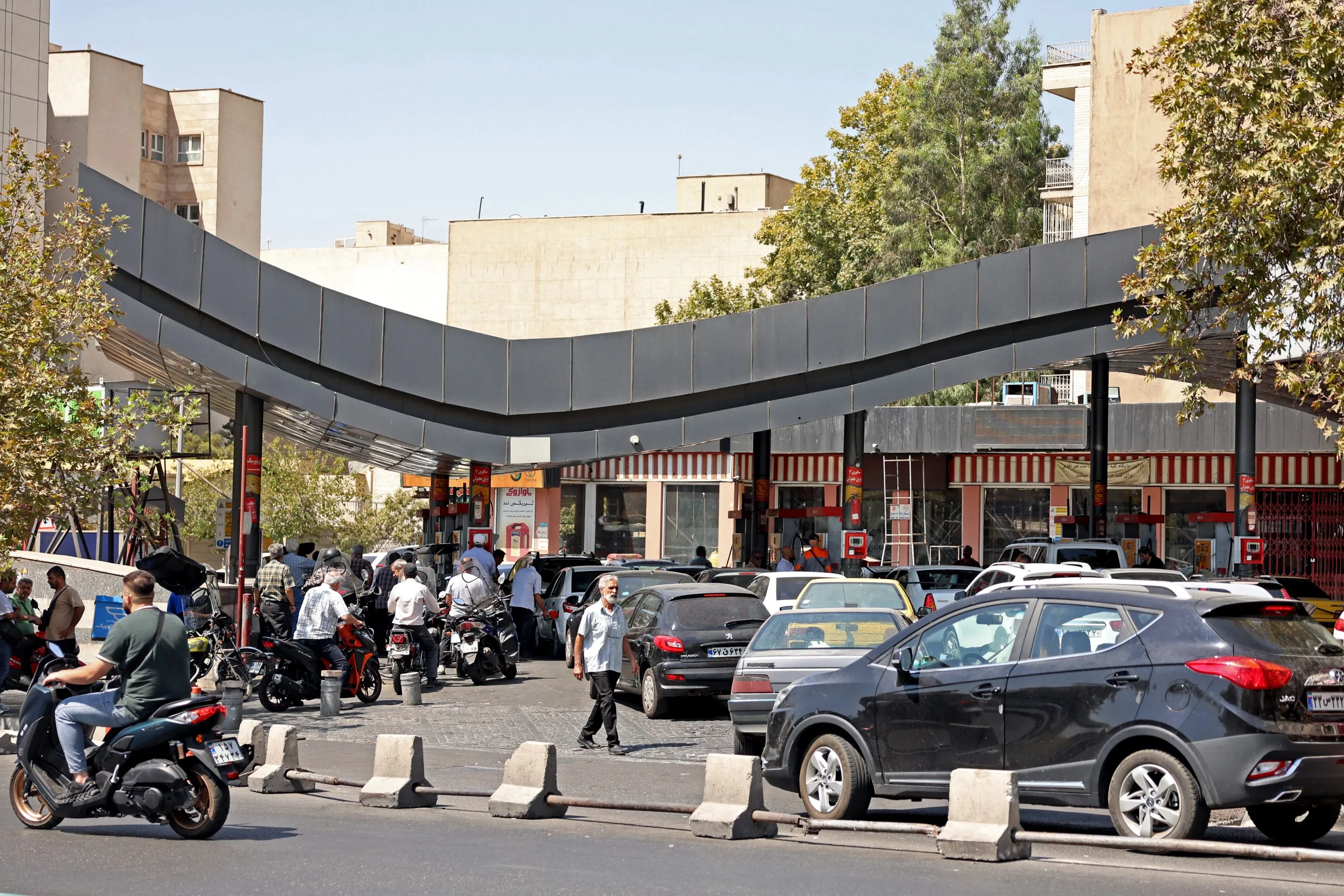
In April of this year, the International Monetary Fund predicted that Iran's economy would shrink by 6.1% in 2026. Iranian labor department officials estimated that by the end of May, more than 1 million jobs had been lost. Fuel shortages and long queues at gas stations also continue to persist.
New waves of protests have emerged in multiple locations.
With rising living costs, new protests have emerged in various parts of Iran. Reports mention that oil and gas workers in Asaluyeh held protests this week, stating that they should not bear the burden of rising living costs while maintaining energy production.
Previously, steel workers, petrochemical workers, and teachers have also expressed dissatisfaction over layoffs and unpaid wages. Analysts believe that the Iranian government may not quickly change its stance due to public pressure, but economic pressures and social discontent continue to accumulate.