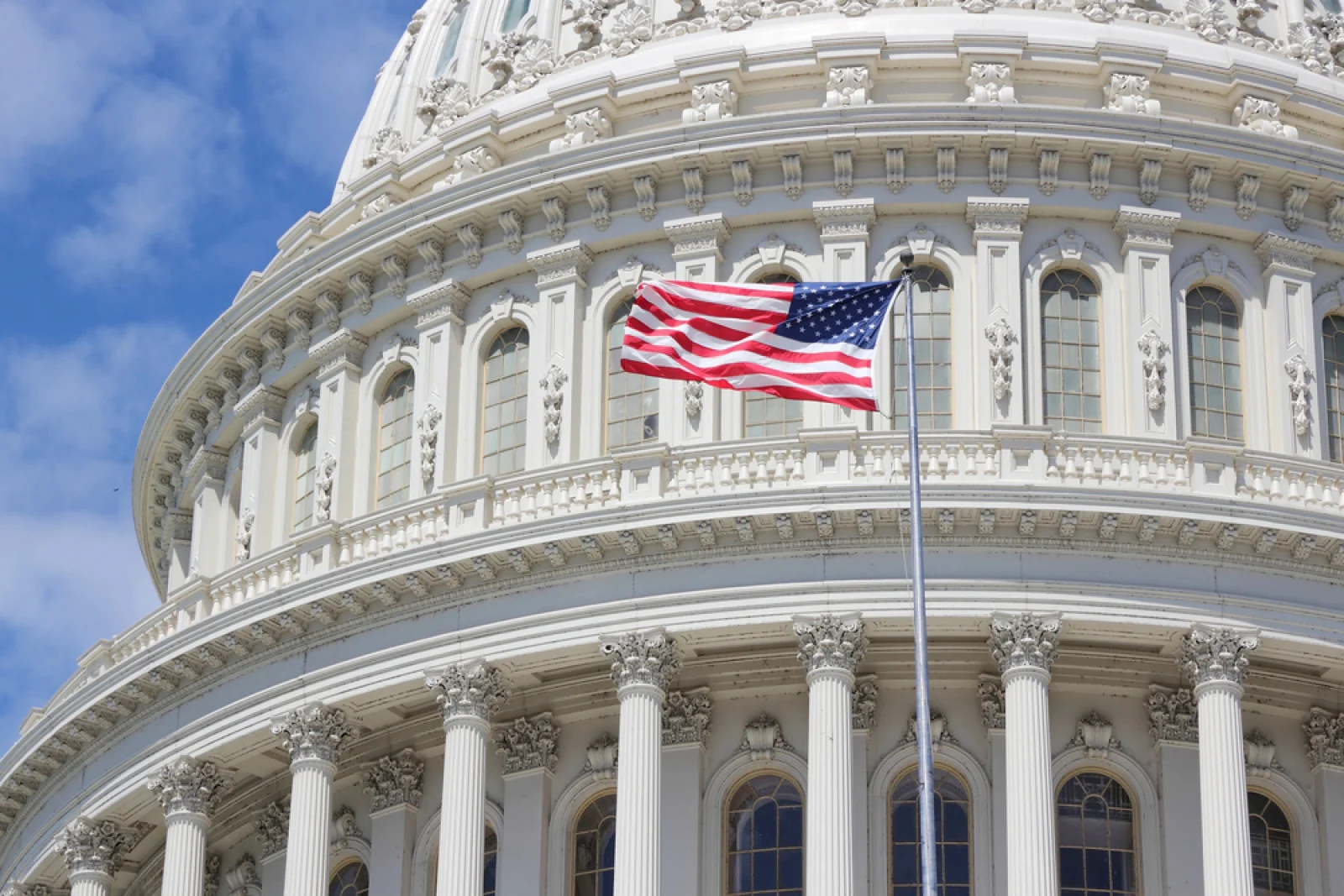

















After the U.S. House of Representatives canceled its sessions for the last two weeks of September, the already tight legislative schedule for the crypto market has become even more compressed. CLARITY Even if the bill begins to be voted on in the Senate, it still requires approval from the House of Representatives in its Senate version before it can be sent to the President for signature.
The September window has significantly narrowed.
According to Roll Call, the House of Representatives will return to Washington on September 14th, with sessions expected to last for only four days. After that, they will leave Capitol Hill until after the mid-term elections are over before resuming work. The Senate will also end its recess on September 14th and is scheduled to hold the first vote on the CLARITY bill on September 15th.
This means that both chambers have hardly had enough time to complete the deliberation in order. Even if the Senate passes the bill first, the House of Representatives still has to take over and pass the Senate version before the legislative process can be considered complete.
Increased difficulty before the election
Market participants believe that after the shortening of the House of Representatives session, the likelihood of the bill being legislated before the mid-term elections has significantly decreased. Reports quote the judgment of Alex Thorn, the head of research at Galaxy Digital, stating that it is "highly unlikely" for the CLARITY bill to be passed before the elections.
Brendan Pedersen also stated on social media that this arrangement could be "very bad news" for the US crypto industry. According to him, if the voting is delayed until the "lame-duck" session after the election, when the composition of Congress may change, the prospects for the bill will become even more complicated.
There are still procedural obstacles in the Senate
The House version of the bill, CLARITY, was passed in July 2025 with 294 votes in favor and 134 against, demonstrating significant cross-party support. However, the Senate did not directly adopt the House version; instead, the Senate Banking Committee and the Agriculture Committee each pushed their own proposals and amendments.
The Senate vote still requires the support of 60 senators. Even if this threshold is crossed, both chambers still need to coordinate any differences in the versions before the bill can officially become law.
The House of Representatives' adjustment to the session schedule this time is due to the fact that members are facing greater pressure to return to their home districts for campaigning before the mid-term elections. If the bill is postponed until after the elections, changes in congressional control could add further uncertainty to U.S. crypto regulatory legislation.