web3: The U.S. Senate does not advance Clarity Act, and the crypto industry responds with restraint
CoinDesk
09-16 03:30
Ai Focus
The U.S. Senate did not advance Clarity Act. Multiple crypto institutions stated that the obstruction of the bill will prolong regulatory uncertainty, but the formulation of SEC and CFTC rules, as well as the entry of new institutions, will continue.
Helpful
No.Help

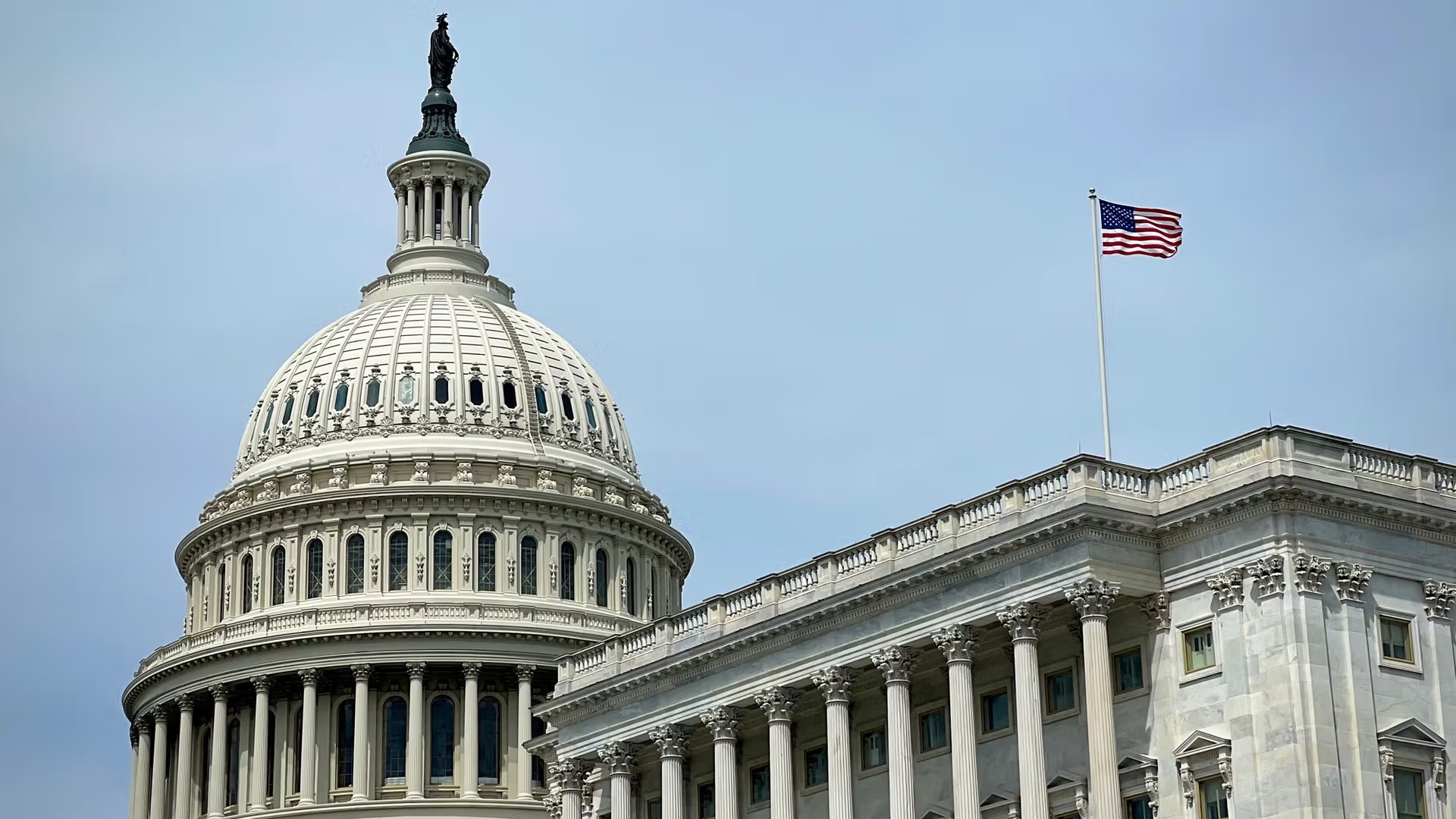
The U.S. Senate failed to make it happen. Clarity Act Crossing the final threshold of 60 votes, this has set back the efforts of the crypto industry to promote legislation on market structure. Several industry executives believe that the outcome is disappointing, but it does not mean that digital asset regulation in the United States will regress, nor will it cause institutional development to stop immediately.

Regulatory processes are still underway.

It is generally believed in the industry that SEC and CFTC are already advancing their respective digital asset rule initiatives, and these processes do not entirely depend on the results of this vote. What the market is more concerned about is the stability of these rules.

If we mainly rely on regulatory agencies to set rules, then in the future, after a change of government, the relevant arrangements may be revised again. In contrast, if a framework is established through legislation by Congress, it will be more sustainable and it will also be easier to encourage banks, asset management institutions, and large enterprises to make long-term investments.

Enterprises worry about the prolongation of uncertainty

Some of the executives interviewed mentioned that the failure to advance the bill means that companies will still face a period of uncertainty in their 2027 budgets, compliance, and product planning. When institutional funds lack a clear legal framework, they often need to assess counterparties, asset attributes, and compliance responsibilities on an individual basis.

Some industry insiders also compare the United States with Europe. The EU's MiCA has already provided a relatively clear set of rules, so if U.S. legislation continues to stagnate, investment and development activities may further flow to regions with clearer regulations such as Europe.

Institutional development will not come to a halt because of this.

Strategy stated on social media that Bitcoin has already established a clear legal and regulatory framework in the United States, including being recognized as a commodity by CFTC, considered property by the U.S. Internal Revenue Service (IRS), and spot Bitcoin products having been approved by SEC.

Institutions such as tZERO and Matter Labs believe that the transformation of the regulated digital asset market has already begun. Even if congressional legislation is temporarily hindered, banks, payment networks, and asset management institutions will continue to advance infrastructure such as tokenized deposits, on-chain payments, and tokenized securities.

  • The Senate failed to get the bill over the 60-vote threshold.
  • The industry believes that the existing regulatory progress will not reverse in the short term.
  • The bigger problem lies in the lack of a legal framework that can be sustained over the long term.

Overall, this setback has slowed down the pace of progress in US crypto legislation, but the industry's reaction has been relatively restrained. Market attention has shifted from whether the bill will pass to whether regulatory authorities can first establish enforceable rules, and whether the US will continue to lose capital and projects due to the delay in legislation.

Tip
$0
Like
1
Save
1
Views 579
HKWDB reminds readers to view blockchain rationally, stay aware of risks, and beware of virtual token issuance and speculation. All content on this site represents market information or related viewpoints only and does not constitute any form of investment advice. If you find sensitive content, please click“Report”,and we will handle it promptly。
Submit
Comment 0
Hot
Latest
No comments yet. Be the first!
Related
From Marx's vampires to Buffett's moats, the crumbling Gothic castle has been capitalism's favorite metaphor for 250 years.
As the AI transaction exposed the cracks in the "noble mansion" of early 21st-century capitalism, the metaphors of "castles" and "moats" long used on Wall Street have once again come into focus. Tech stocks such as Alphabet, ServiceNow, and Intel have recently seen significant declines, prompting the market to re-evaluate whether the moats surrounding these AI giants can truly hold them off.
Fortune
·2026-11-01 01:02:44
12
From restaurant guides to payments, TikTok is creating a super app
TechCrunch reports that TikTok is gradually integrating functions such as e-commerce, payment, dining and map information, hotel and attraction reservations, sports content, music, micro-dramas, and games into a single platform, in an attempt to reduce the need for users to switch between different apps and to develop towards a "super app" model.
TechCrunch
·2026-10-31 23:52:39
56
Bitcoin Marks Its 18th Anniversary: Satoshi Nakamoto's White Paper Anniversary Becomes a Milestone in the Crypto Industry
The release of the Bitcoin white paper marks its 18th anniversary. On October 31, 2008, Satoshi Nakamoto published a nine-page white paper titled "Bitcoin: A Peer-to-Peer Electronic Cash System," proposing the concept of electronic value transfer without the need for traditional financial intermediaries. Coinbase, Tether, Uphold, and Michael Saylor among others, posted articles on platform X to commemorate this occasion. According to CoinMarketCap data, Bitcoin is currently trading at $77,310, with a total market value of about 1.55 trillion dollars.
U.Today
·2026-10-31 23:52:37
57
CFTC Chairman Says Binance Hacker Attack Indicates That Offshore Exchanges Need US Regulation
Michael Selliger, chairman of the U.S. Commodity Futures Trading Commission (CFTC), stated that the $6.4 billion hack incident at Binance “precisely demonstrates” the necessity of the crypto market regulations proposed by the agency this month. He described the attack as being more likely caused by a vulnerability introduced through a laptop rather than a flaw in the blockchain itself; however, Binance later indicated that the investigation had uncovered “more entry points” for the attack.
Decrypt
·2026-10-31 23:10:23
45
Intel experiences its largest single-day decline in over forty years; the NASDAQ falls nearly 3%, gold drops to a one-year low, and crude oil continues to rise for four months in a row.
Amazon and Intel's financial reports disappointed the market. Investors are increasingly skeptical about the returns on the huge AI expenditures of these tech giants. All three major U.S. stock indices closed lower, with tech stocks leading the decline, while energy and essential consumer goods sectors performed strongly against the trend. Driven by the Middle East situation, crude oil prices rose to a six-month high; U.S. Treasury yields fell, gold dropped to a one-year low, and Bitcoin lost its support below $77,000.
Wallstreetcn
·2026-10-31 22:30:06
51
View More