
















U.S. licensed bank Column has directly integrated stablecoins into its core banking system, beginning to support round-the-clock conversions between USDC and USDT and fiat currencies. The company stated that Solana has been set as the default blockchain network and is also compatible with major chains such as Ethereum. This system is currently handling billions of dollars in annual transaction volume.
Stablecoins enter the core ledger
The company disclosed that in the past, for stablecoins to enter the traditional banking system, they usually had to go through multiple intermediaries. After receiving the stablecoins, users often had to wait during bank business hours or rely on pre-funded accounts and third-party service providers in order to convert them into US dollars and complete payments.
The practice of Column is to put the stablecoin address and bank account in the same ledger. In this way, customers can directly exchange USDC or USDT for fiat currency without relying on intermediaries, and there is no need to prepare reserve funds in advance.
According to the company's introduction, even if customers receive USDC on the Solana chain on weekends, they can immediately send dollars through payment networks such as RTP. The system also supports debiting traditional bank accounts through ACH, sending stablecoins to wallets, and initiating international payments through SWIFT.
Solana is set as the default network.
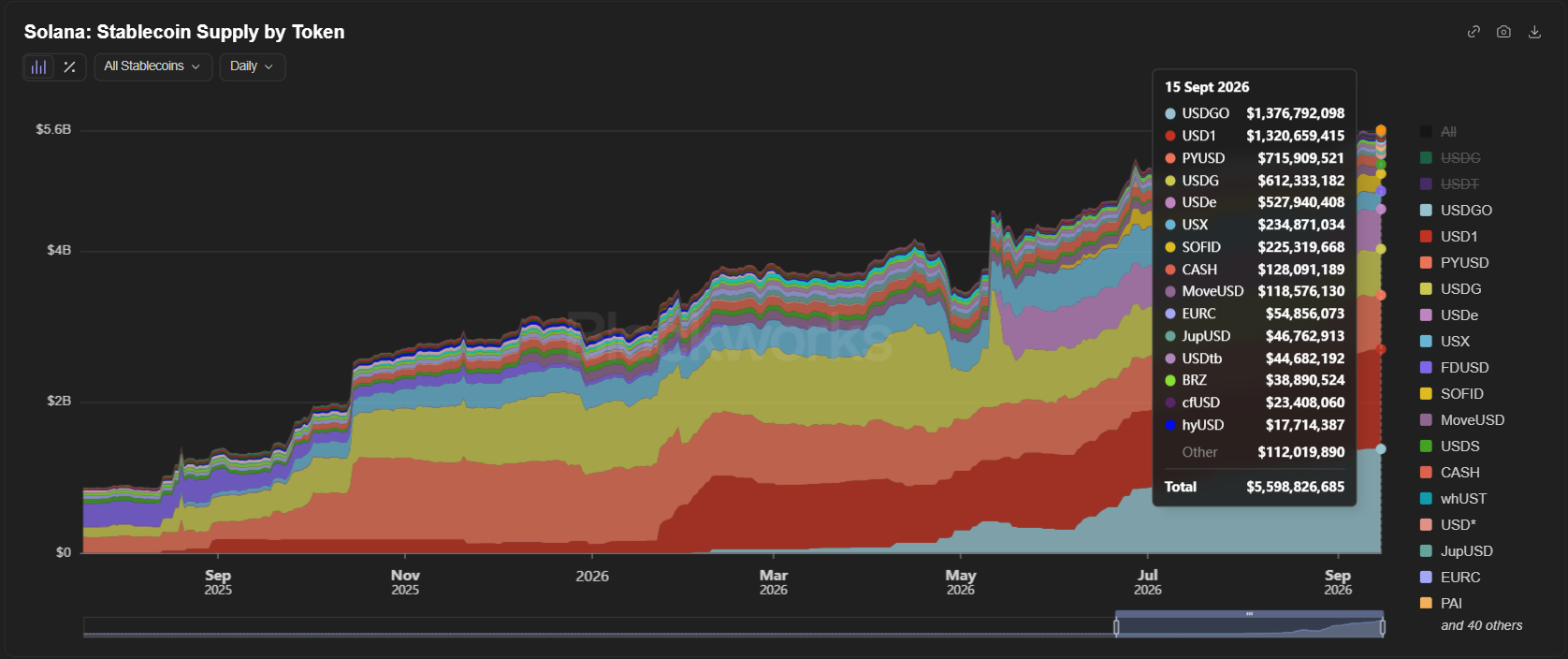
In this product launch, Solana has been placed in the default network position. The article mentions that whether stablecoin payments are truly usable depends on the settlement speed, cost, and stability of the underlying network, which is also an important reason why Solana has been incorporated into the bank infrastructure.
Solana The foundation has previously mentioned that stablecoins have the potential to revolutionize the process of cross-border remittances. Traditional cross-border transfers are usually more expensive, take longer to be credited, and require a large amount of funds to be pre-deposited for settlement. Report data shows that the average cost of international remittances of $200 is about 6.49%, and settlement typically takes 3 to 5 working days.
Synchronous expansion of card issuance and settlement
Column indicates that one of the reasons for launching this service is the many operational obstacles faced by fintech companies in building stablecoin payment experiences. Currently, companies such as Slash and Brex are already using this product.
In addition to the stablecoin bank channel, Column also simultaneously launches products such as debit cards, global bank accounts, and multi-currency accounts. The company states that in banking scenarios supported by stablecoins, enterprises can directly authorize transactions based on their actual stablecoin balances, without the need to rely on pre-deposited funds.
The company also stated that the system supports settlement with Visa and Mastercard using stablecoins, eliminating the need to open additional fiat currency settlement accounts. The goal is to enable enterprises to complete a process that would otherwise require the involvement of multiple banks, processors, and infrastructure service providers through a single bank connection.
U.S. legislative discussions are still ongoing.
At the time this service was launched, discussions in the United States regarding the regulation of stablecoins were still ongoing. Some banking industry groups had previously called on members of Congress to impose stricter restrictions on the reward mechanisms of stablecoins, arguing that such products might encourage customers to transfer their deposits out of the traditional banking system.
Relevant debates have also emerged in discussions regarding digital asset legislation. The article mentions that the CLARITY Act related to the regulatory framework for digital assets has not been advanced in the Senate, which means that the U.S. Securities and Exchange Commission (SEC) and the Commodity Futures Trading Commission (CFTC) will continue to rely on their existing authorities to handle crypto policy matters. In the absence of clear legislation, financial institutions are still proceeding with the launch of stablecoin products.
Additional information:Column is a federal chartered bank in the United States, and it is mentioned in the text that its asset size is approximately 1.77 billion US dollars.