














“Uptober” remains one of the most well-known seasonal patterns in the cryptocurrency market, but 2025 serves as a reminder to investors that October is not always a time for gains.
In early October 2025, Bitcoin was around $119,000, initially moving almost entirely in line with seasonal trends, and at one point reached a record high above $126,000.
The strong demand for spot Bitcoin funds in the United States supported this round of gains, with approximately $4.7 billion in capital flowing into U.S. spot Bitcoin funds in the first half of October. Subsequently, the situation reversed. New Sino-U.S. trade disputes triggered a sharp aversion to risk, including the largest cryptocurrency liquidation event at that time.
After recording positive returns for seven consecutive years in October, Bitcoin fell back to around $105,000, closing the month down by about 4%. The performance of the broader altcoin market was even worse, with Ethereum declining by about 6% to 7%.
However, historically speaking, October has still been an exceptionally strong month for Bitcoin. Over the 13 years from 2013 to 2025, Bitcoin closed higher in 10 out of those 13 months, with an average return of about 19%.
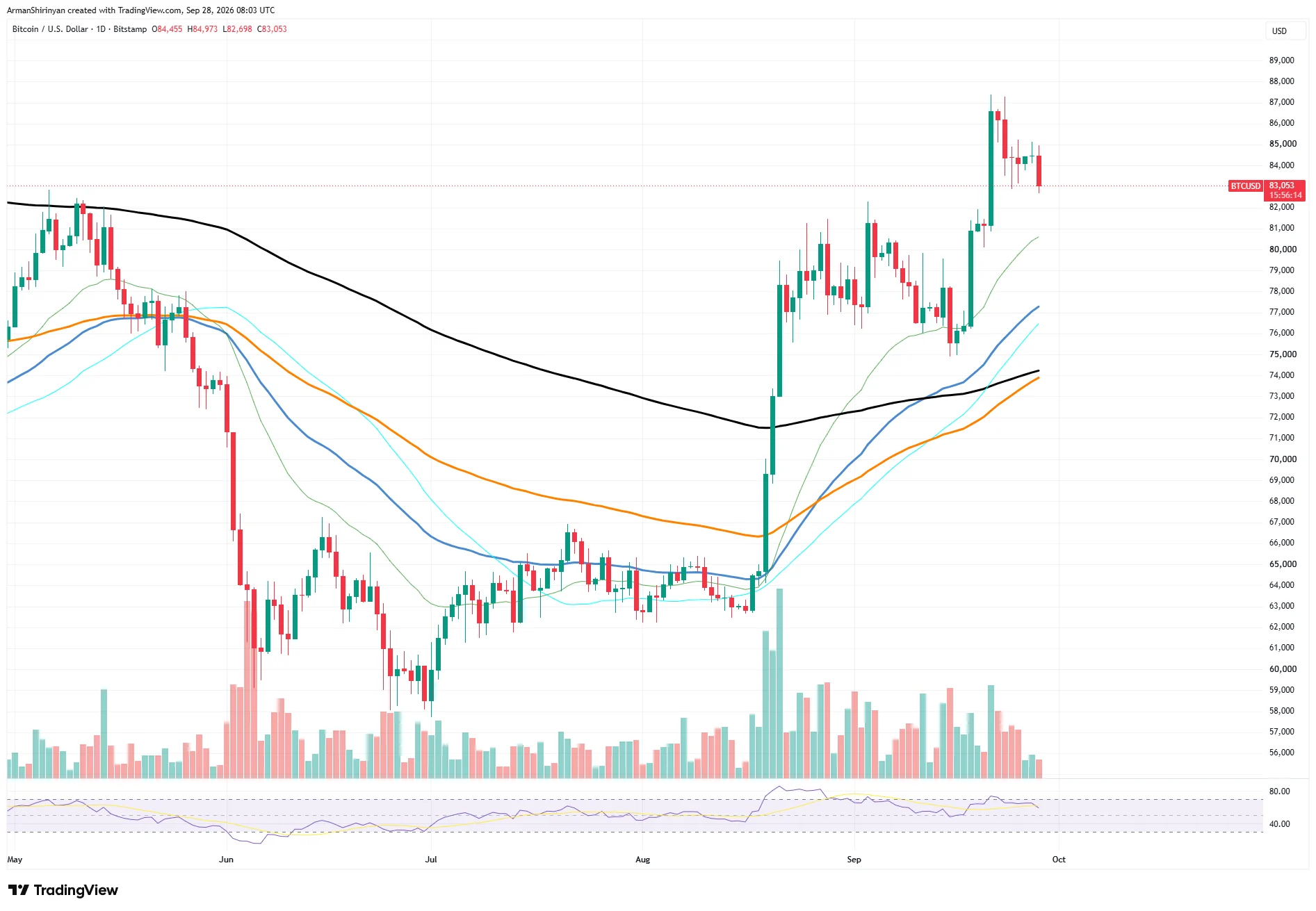
Therefore, the start of October 2026 is completely different from that of the previous year. Bitcoin has risen by about 9% since September and recently reached an eight-month high, breaking through $87,000; in August, it rose by about 25%. ETF There has been an increase in capital inflows, and short covering as well as better liquidity have also accelerated this transformation.
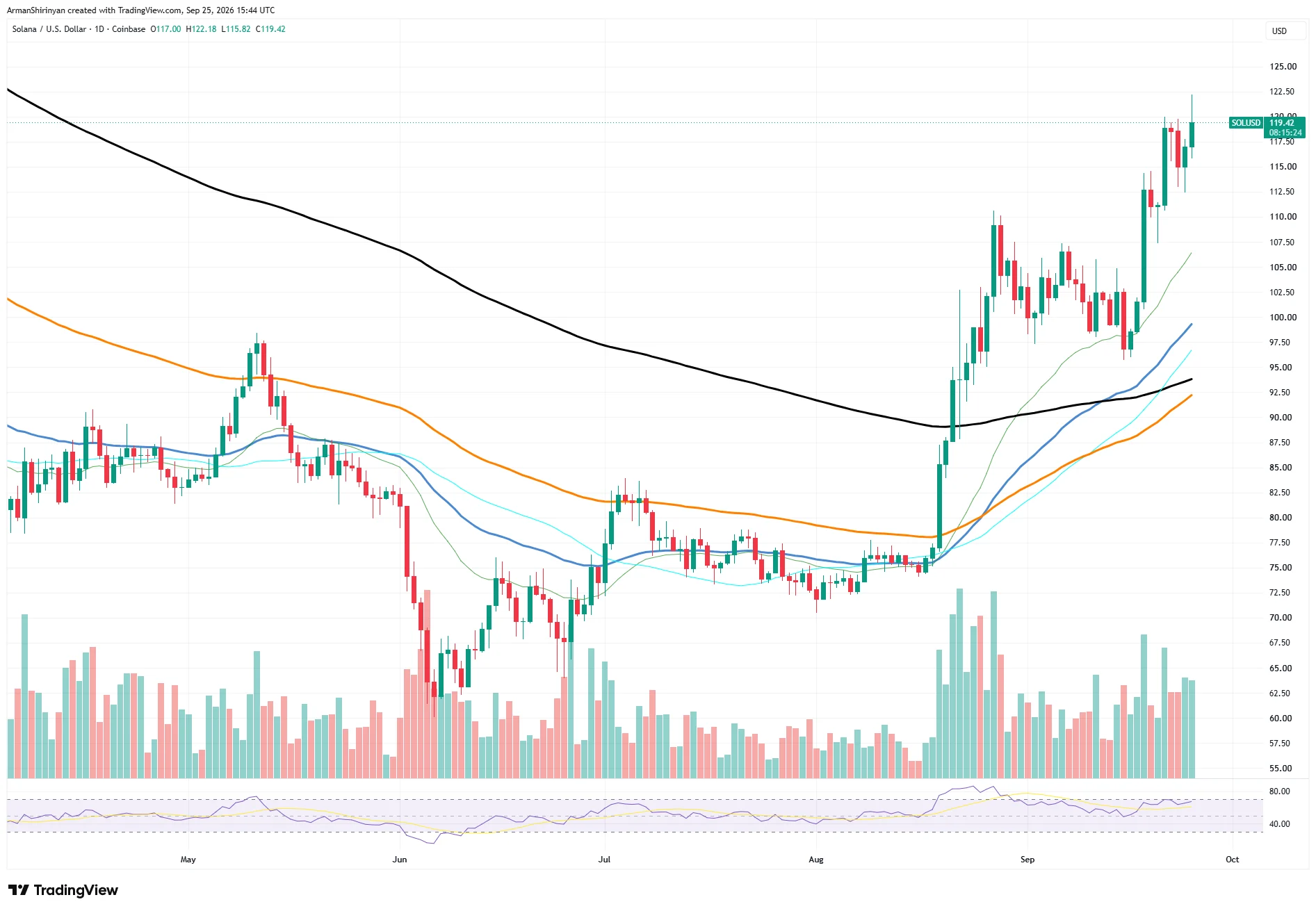
Counterfeit coins are also seeing gains. Assets such as Solana, XRP, NEAR, LINK, and Zcash have recorded significant increases in September, and Ethereum continued to rise after its increase in August.
This brings both opportunities and risks. Although the market entered October with more momentum than a few months ago, the significant increase in optimism has already been factored into the prices. If demand for ETF remains positive and the macro environment does not deteriorate, it is possible for prices to continue to rise; however, if there is another sharp acceleration, the market will become increasingly vulnerable to corrections driven by leverage.
Therefore, the key takeaway for 2025 is quite simple: seasonality can provide support for existing trends, but it cannot offset major macroeconomic shocks. The start of October 2026 seems promising, but how long this momentum can last is more important than the phrase “Uptober” itself.