













Brief
- On September 28th, CFTC submitted two proposals to the White House OIRA, aiming to redefine the term 'swap' in the context of event contracts: one proposal suggests including it within the definition of swaps, while the other, a temporary final rule, excludes 'casino-style gambling products'.
- The "swap" label is at the core of the jurisdictional dispute – if a contract is classified as a swap, it falls under the jurisdiction of CFTC and may thus be outside the scope of state gambling regulatory authorities. Currently, there are conflicting rulings from relevant appellate courts, and the case has been submitted to the Supreme Court.
- This continues the practice of CFTC formulating its own rules after Clarity Act, and it is also a further advancement at a time when disputes over integrity are intensifying.
The Commodity Futures Trading Commission (CFTC) is attempting to consolidate its regulatory authority over predictive markets and has submitted two proposals to the White House. These proposals aim to reshape the legal definition of "swaps" around "yes/no" bets traded on platforms such as Kalshi and Polymarket – namely, event-based contracts.
On September 28th, the regulatory agency submitted these two proposals to the Office of Information and Regulatory Affairs ( OIRA ) under the Office of Management and Budget of the White House, which is responsible for reviewing them before the issuance of federal regulations.
The first item is a proposed rule, numbered RIN 3038- AF82, which further defines the term "swap" and explicitly includes event contracts within it, and will proceed to a public consultation process. The second item is a provisional final rule, numbered RIN 3038- AF81, which intends to exclude "casino-style gambling products" from the definition of swaps and may take effect immediately upon approval. CFTC classifies both of these rules as "non-economically significant" rules; however, the full text of these rules has not yet been made public.
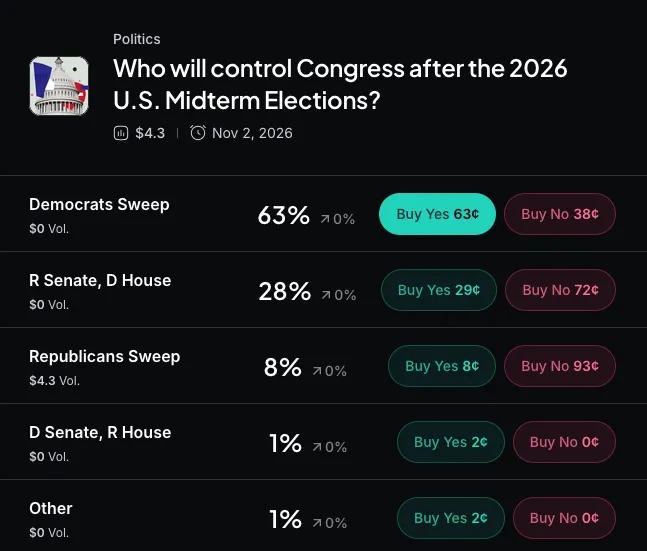
The "swap" tag is the key to this intense jurisdictional dispute. If the event contract is classified as a swap, it will fall within the scope of authority of CFTC; Chairman CFTC Michael Selig has always argued that this authority is exclusive, which means these platforms will not be subject to state gambling regulatory authorities.
Several states have sued prediction market operators, accusing them of engaging in illegal gambling, and CFTC has also filed a counterclaim in an attempt to stop such regulation. This rule-making comes following a series of conflicting appeals court rulings that have been debating whether these contracts meet the relevant definitions, and now this disagreement has drawn the attention of the Supreme Court.
This move continues the broader practice of CFTC: before Congress takes action, regulatory agencies proceed with formulating their own rules, which represents a shift in the approach of regulatory agencies to formulating crypto policies since Clarity Act. The agency has also recently submitted another proposal for crypto market regulation to the White House, and its staff previously warned that "mention" contracts related to public discourse are vulnerable to manipulation.
Meanwhile, regulatory scrutiny continues to intensify, even extending to the federal level. CFTC is investigating former Congressman Adam Kinzinger due to Kalshi bets related to his own amnesty. Earlier this week, the committee also issued a advisory warning against using "market references," stating that contracts whose settlement conditions depend on whether a named individual says certain words should be presumed to be highly susceptible to manipulation.
At the state level, last week New York State filed a lawsuit against Polymarket, with the aim of banning the platform within its jurisdiction, which is identical to the previous actions taken against Kalshi.
For now, what CFTC has submitted is merely an expression of intent, not the final rules. However, by seeking to define "swap" on their own, CFTC is attempting to resolve the issue that has been the subject of case-by-case disputes between courts and states in a regulatory manner.