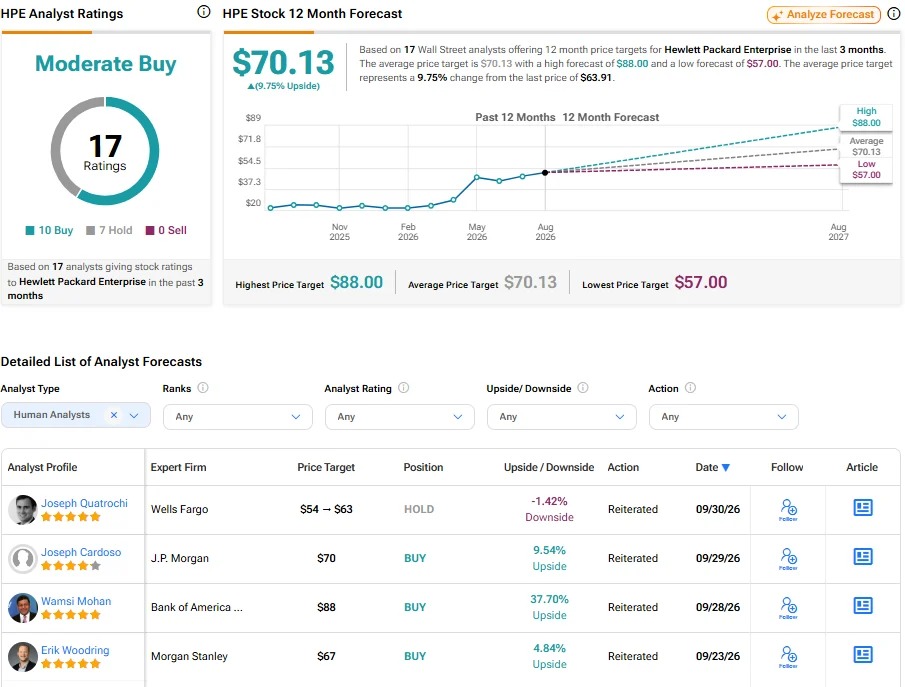
















On the first day of the new quarter, Asian stock markets generally fell at the opening but then rebounded strongly, showing an overall upward trend.
South Korea's Seoul Composite Index once fell by 1% during the session, with Samsung Electronics and SK Hynix both losing more than 1%, but then the declines narrowed and turned into gains. South Korea's KOSPI index ultimately rose by over 1%. The Nikkei 225 index continued to expand its gains to nearly 3%, with Kioxia and Tokyo Electronics both rising by about 6%, and SoftBank Group rising by nearly 4%. Australian ASX 200 fell by 1.7%.
US stock futures强劲上涨 —— Nasdaq futures rose 1%, S&P 500 futures rose 0.5%, Dow Jones futures rose 0.3%.
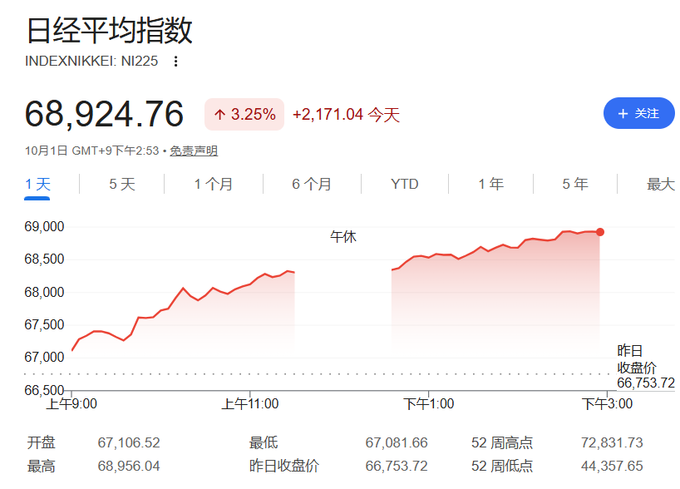
In terms of precious metals, gold, which was under pressure earlier, has stabilized, with spot gold rebounding to around $4,190 per ounce, an increase of about 0.8%; silver also saw a rebound, rising by about 1.2%.
PCE Inflation data and Micron's financial report stir up the market
The key events on Wednesday are the PCE inflation data and Micron's financial report.
The U.S. core PCE Consumer Price Index (excluding food and energy) rose by only 0.2%, lower than expectations, and the data for the previous month was also revised downward. At the same time, the growth rate of consumer spending reached its fastest level in over a year.
Fifth Third Wealth Advisors Chief Investment Officer Chris Osmond stated that this set of data is a "just-right combination."
Growth in the second quarter was stronger than expected, consumer spending was even more robust, and the labor market rebounded significantly in September. The Federal Reserve's preferred inflation indicator also fell far below expectations. The net effect is generally positive for risk assets, significantly reducing the likelihood of a rate hike in October, while a rate hike in the fourth quarter is still on the table.
The money market currently prices the probability of a Fed interest rate hike in October at less than 40%.
In terms of tech stocks, Micron's financial report boosted the AI theme.
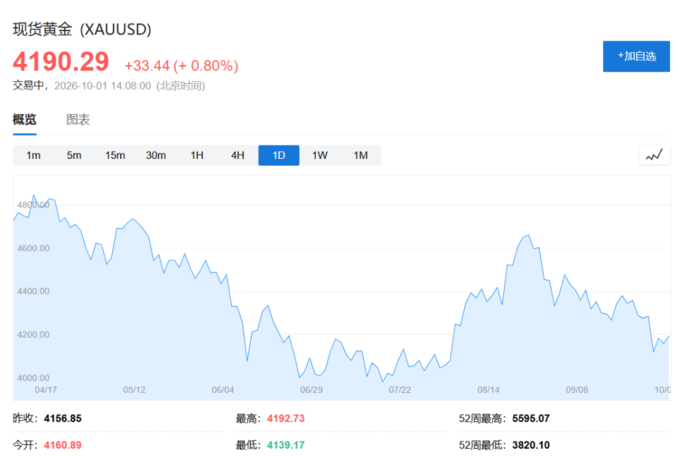
Overnight, Micron reported revenue of $54.229 billion in its fourth fiscal quarter, a year-on-year increase of 379% and a month-on-month increase of 31%, exceeding market expectations of $51.49 billion. The median revenue forecast for the first quarter of fiscal year 2027 is $61.5 billion, which is higher than market expectations of $57.02 billion; the gross margin is approximately 86.25%, which is also lower than market expectations of 86.7%. CFO indicates that the pace of price increases will tend to be more moderate. CEO indicates that demand has further strengthened since the last financial report, and it is expected that the supply and demand situation in 2027 and 2028 will be significantly tighter than in 2026.
Micron gives an optimistic performance forecast, but also warns that rising salary costs will squeeze profit margins. Bloomberg strategist Mark Cranfield believes that the Asian market will selectively digest this news: “Investors seem to choose to ignore the warnings about profit margin risks and focus on the demand prospects brought about by the AI construction boom.”
In addition, Google has begun to launch its flagship AI model Gemini 4 Argon, and as a result, the stock price of Alphabet has risen.
The debt market experiences its worst performance of the quarter, with "triple pressures" remaining unresolved.
Global government bonds have just experienced the worst quarter since 2024. The yield on U.S. 30-year Treasury bonds has risen again, reaching the highest level since 2002. The yield on 10-year bonds peaked at 5.30% during trading in New York.
Australian and New Zealand bonds followed the decline of U.S. bonds. The yield on Australian 10-year bonds rose by 4 basis points to 5.38%, while the yield on Japanese 10-year bonds rose by 5 basis points to 3.100%.
Jimmy Louca, a senior portfolio manager at an Australian retirement trust fund, directly pointed out where the problem lies:
"The bond market is facing a triple blow: large-scale government spending, strong economic growth, and geopolitical supply shocks. We have already entered a re-inflationary phase, yet the market is still pricing this too slowly."
The key variable driving this situation is oil prices. International oil prices have reached $100 per barrel, reigniting concerns about inflation stickiness. WTI In the Asian session earlier in the day, crude oil prices weakened slightly to around $90 per barrel, but still maintained the gain from the previous trading day.
US dollar strong, Japanese yen weak
In terms of exchange rates, the US dollar achieved its strongest single-month performance since March. The Japanese yen weakened slightly after the Bank of Japan released a summary of its opinions, falling by 0.3% to 157.88 per US dollar. The offshore RMB remained relatively stable at 6.7094.