Design platform Figma announced the launch of a new editor based on Markdown at its first Config event in India. This editor is intended to help define the company's design standards, introduce design and code libraries, and integrate with the headless content management system Payload. Through some of these features, Figma hopes to provide a set of guidelines for both its own team and third-party agents, enabling them to better adhere to brand design rules when creating content with the help of AI.
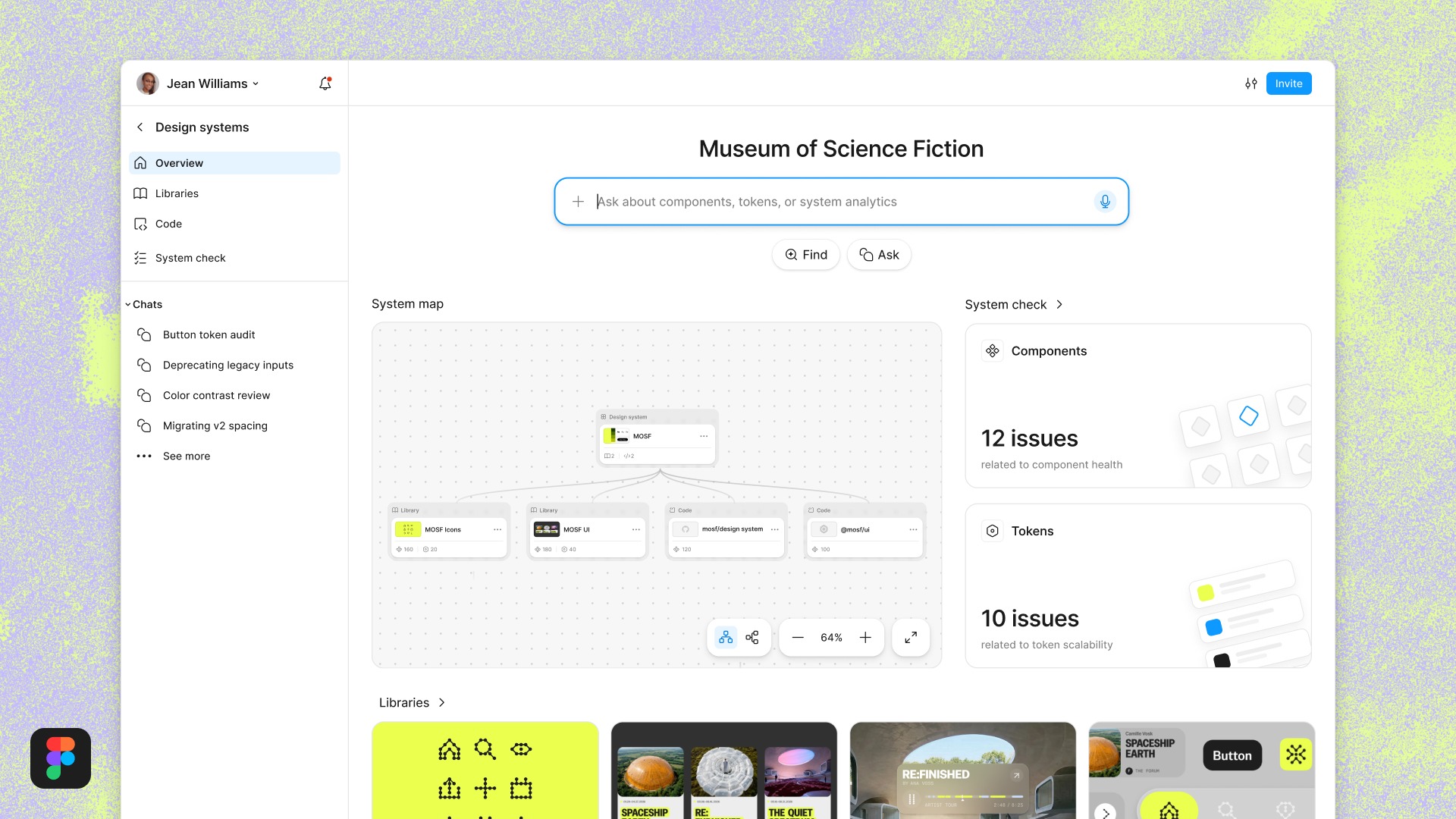
The company has launched a new feature named Figma Specs. This is a Markdown editor that allows users to define design languages in a simple manner. This document can serve as a reference for teams and agents when designing within Figma. Specs can exist as an independent file within Figma or coexist with the content on the canvas. In addition to functioning as a text editor, users can also reference other Figma elements, such as those on the canvas, and embed FigJam charts, code layers, and design drafts.
In addition, the team can also introduce more design context, including design libraries, code repositories, and guidelines for managing the design system context. Agents can also refer to this centralized system in order to comply with relevant rules.
Over the past week, the company has made the proxy functionality on its platform available to a wider range of users. However, given the uncertainty of AI, the company is providing tools to guide it towards more predictable outcomes.
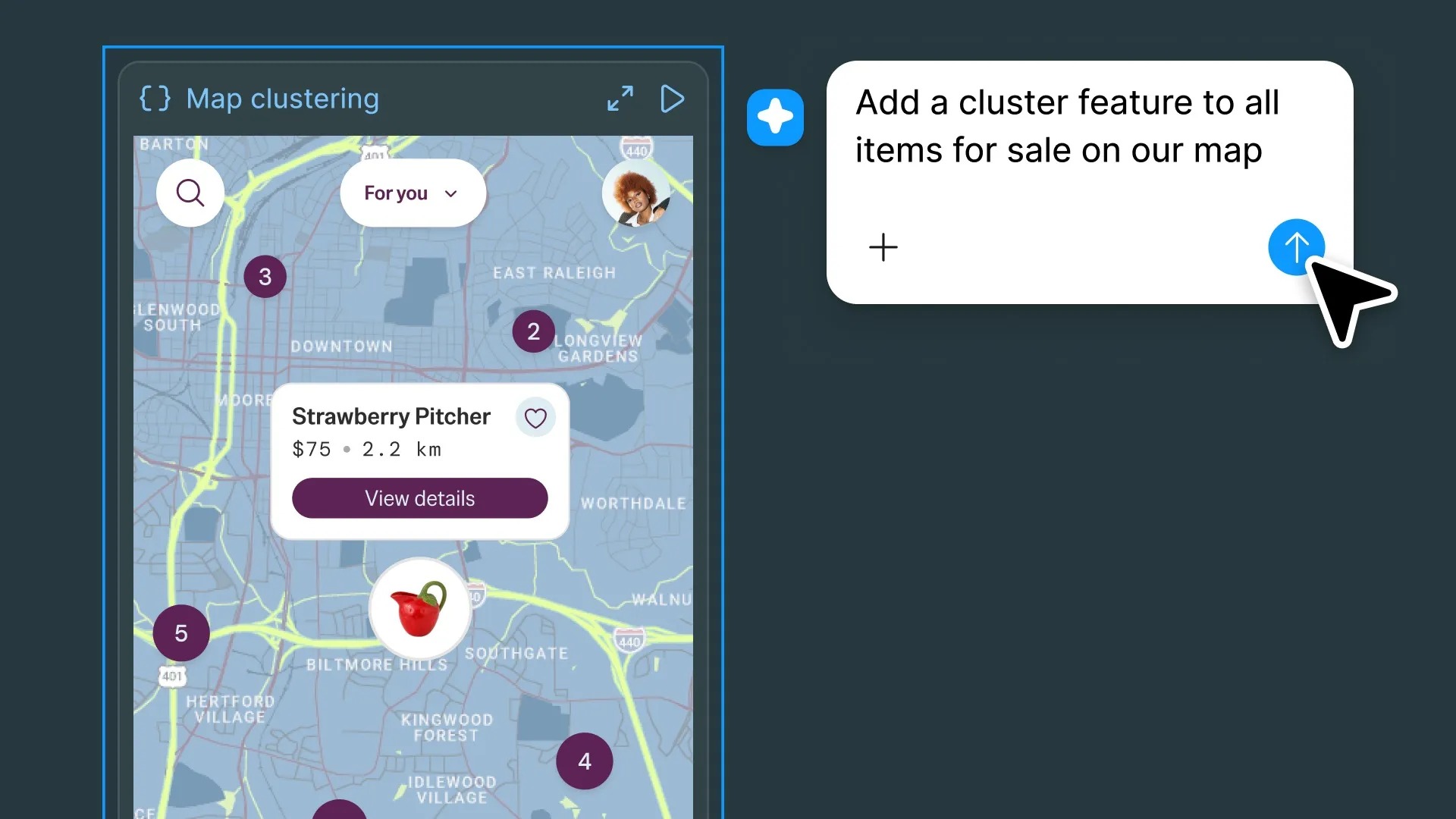
Figma has also turned its code-layer functionality into a public beta version. This feature will incorporate coding into canvas design to create more interactive prototypes. The company announced this feature in June of this year in the form of a private test. At this week's event in India, the company made it available for more users to test. Users can also have agents convert designs into code or modify parts of the code to iterate on the prototypes.
Figma, the Chief Design Officer, said to TechCrunch: "We believe that Figma is where the software team decides what to build and deliver. Therefore, I think it's important to keep in mind what AI has changed and what capabilities it has brought, which is the ability to build." She said, "The number of lines of code generated today is 17 times that of the past. However, if we look at the number of releases, it has only increased by 1.3 times. A lot of the code is not necessarily built for delivery; it is built to truly discover what the product is. It is built for design."
The company stated that its MCP now supports more than 20 new tools, including Open Code, Dia, Grok Bot, as well as the Indian startup Sarvam.
Last year, Figma acquired the open-source headless CMS Payload. Today, the company is integrating it with Figma Make products to generate dynamic websites and manage content directly. The company stated that in the past 12 months, the downloads of Payload have increased by six times.
At the end of last year, Figma opened its first office in India, with functions including sales, partnerships, market expansion, and product support. Figma indicated that India is its largest market outside of the United States. The company noted that the platform serves 40% of India's top 100 companies listed on the Mumbai Stock Exchange.