According to Elon Musk, both Tesla and SpaceX have established special committees within their respective boards of directors to explore the possibility of a merger between the two companies. Musk also serves as the CEO of both companies.
SpaceX held a quarterly earnings conference call today, just a few months after its initial public offering.
For the electric vehicle industry, the most important news, and not surprisingly, is that Tesla and SpaceX are now officially exploring the possibility of merging the two companies.
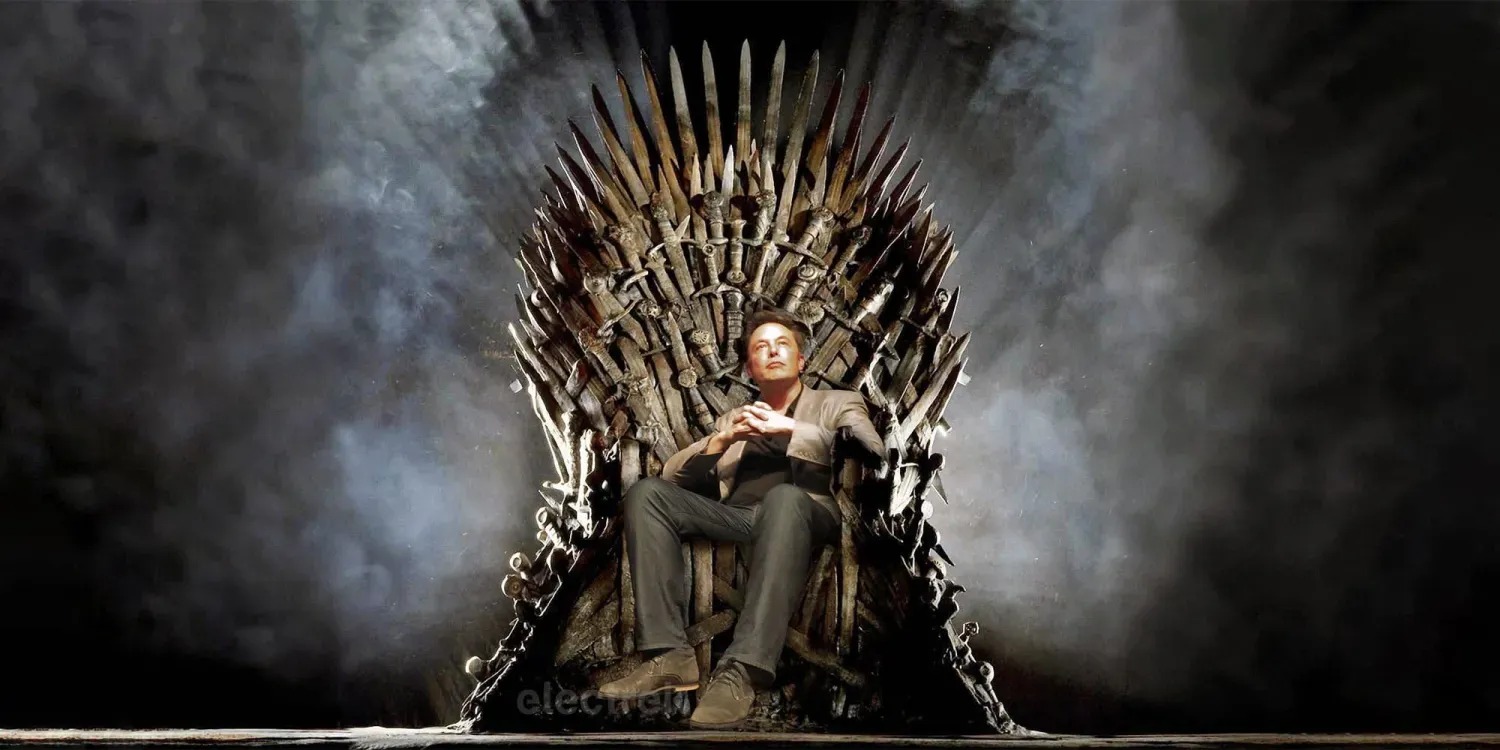
Elon Musk wants more control.
In Musk's view, the problem lies in the fact that he does not have sufficient control over Tesla. Over the years, as Tesla issued shares or granted shares to its employees, his shareholding percentage gradually decreased; however, after his illegal compensation scheme was reinstated, his current shareholding percentage is around 22%.
But that's not enough for Musk. He wants to have complete control over the company and will spare no financial means to achieve this goal. He even packaged this idea as requiring one trillion dollars so that he could control a robot army.
A single marketing strategy is enough for him to achieve his goal.
He gets the stocks, your stake is diluted, and not even a single robot has been delivered yet.
Therefore, shortly after SpaceX released its second quarterly report, the two companies began exploring the possibility of a merger.
Elon Musk stated today at the SpaceX earnings conference that each company has established a 'special committee' composed of 'independent board members' (the emphasis on the word 'independent' within these quotes is clearly meaningful), which is reviewing the possibility of a merger.
This does not mean that a merger will definitely happen. First of all, these “independent” directors must agree that it is a good idea – but considering that Tesla’s board of directors has consistently given priority to Musk’s interests over those of the company, if Musk thinks it is a good idea, the committee is likely to agree as well.
After all, the Compensation Special Committee had previously approved Musk's absurd trillion-dollar compensation package, which served no other purpose than to tie the company to the anchor that was dragging it down. This package would benefit Musk at the expense of all other shareholders and the company's own operations. Therefore, if the board of directors approves such a notion, its independence is in question.
In principle, Musk is not allowed to participate in these discussions, nor are directors who are not considered "independent," such as his brother Kimbal Musk. However, Elon has clearly stated that he hopes this will happen. Today, he reiterated this view, saying that he thinks a merger is a good idea because "we are almost at the singularity of superintelligence" (it is worth noting that this is not actually the case, and it is not particularly relevant to an automobile manufacturer either).
Thus far, the stage has been set, and today, two companies have taken the first step towards realizing this merger.
Going back to 2016, Elon Musk took the stage to showcase Tesla's stylish solar roof tiles, claiming that they would be more durable than ordinary roofs and could also generate electricity, thus resulting in lower total ownership costs.
However, these solar roof tiles never entered the market on a significant scale, and Tesla ultimately discontinued this product in August of this year.
However, they fulfilled their mission – helping to persuade Tesla's shareholders to acquire SolarCity. This company was founded by Elon Musk's cousins, Linden and Peter Rive. This move also allowed Tesla to absorb the billions of dollars in debt of SolarCity. (This sounds a bit like Musk acquiring Twitter for $30 billion more than its value, financing the deal with debt, then transferring that debt to SpaceX, and subsequently shifting that debt to the public through IPO.)
Both of these companies are among the largest in the United States by market value, which is why they are included in major stock indices. As a result, many pension funds hold long-term positions related to Tesla.
SpaceX is another story, as it is a newly listed stock. Since it went public for the first time just a few months ago, it would normally take a year before it would be included in an index. However, Musk has changed the rules, allowing SpaceX to be added to the NASDAQ 100 index just a few days after IPO. This in turn means that it may already be part of your retirement investment portfolio.
Therefore, everyone who has a retirement account will be forced to pay for this “performance” award, and the main interest of this individual—if you have read his statements on the platform where he considers it his full-time job—is to use his unearned wealth to promote white supremacy and to do things that he himself says are “bad for America or the world.”
Oh, he's still suing to defend deeply forged nude content created without consent. I hope you enjoy spending your pension on this.
We wrote last October: "Elon Musk's $1 trillion compensation package seems increasingly absurd." And it now seems that the voting process is not the end of this matter.
Charge your electric car at home with rooftop solar panels. You can find reliable and competitively priced solar installers near you for free at EnergySage. They pre-screen installers for bidding, ensuring high-quality solutions and savings of 20% to 30%. The entire process is free, and you won't receive any sales calls until you choose an installer. Compare personalized solar quotes online and get guidance from an independent energy advisor. Click here to get started. —Advertisement
FTC: We use automated affiliate links that can generate income. For more information.