Tesla's energy business deployed more batteries in the third quarter of 2026, but the revenue generated was less. Revenue from energy generation and storage decreased by 16% year-on-year to $2.88 billion, although the deployment of energy storage increased by 10% year-on-year, reaching 13.7 GWh.
Tesla's Energy Business Data for the Third Quarter of 2026
The following shows the changes in this business segment over the past five quarters, based on Tesla's reported financial results:
Gross margin rebounded to 33.1% from 20.4% in the second quarter. However, the gross profit of the energy business still decreased from $1.07 billion a year ago to $954 million, and Tesla also cited "decrease in gross profit from energy generation and storage business" as one of the reasons for a 56% decline in operating profit.
As of the beginning of this year to date, Tesla has deployed 36 GWh, a year-on-year increase of 11%, compared to 32.5 GWh in the same period last year. Energy revenue decreased by 6% to $8.43 billion. The deployment volume is also significantly lower than analysts' expectations for the third quarter, which was around 15.9 GWh.
Tariffs continue to affect Tesla's energy business data
Self-built LFP battery
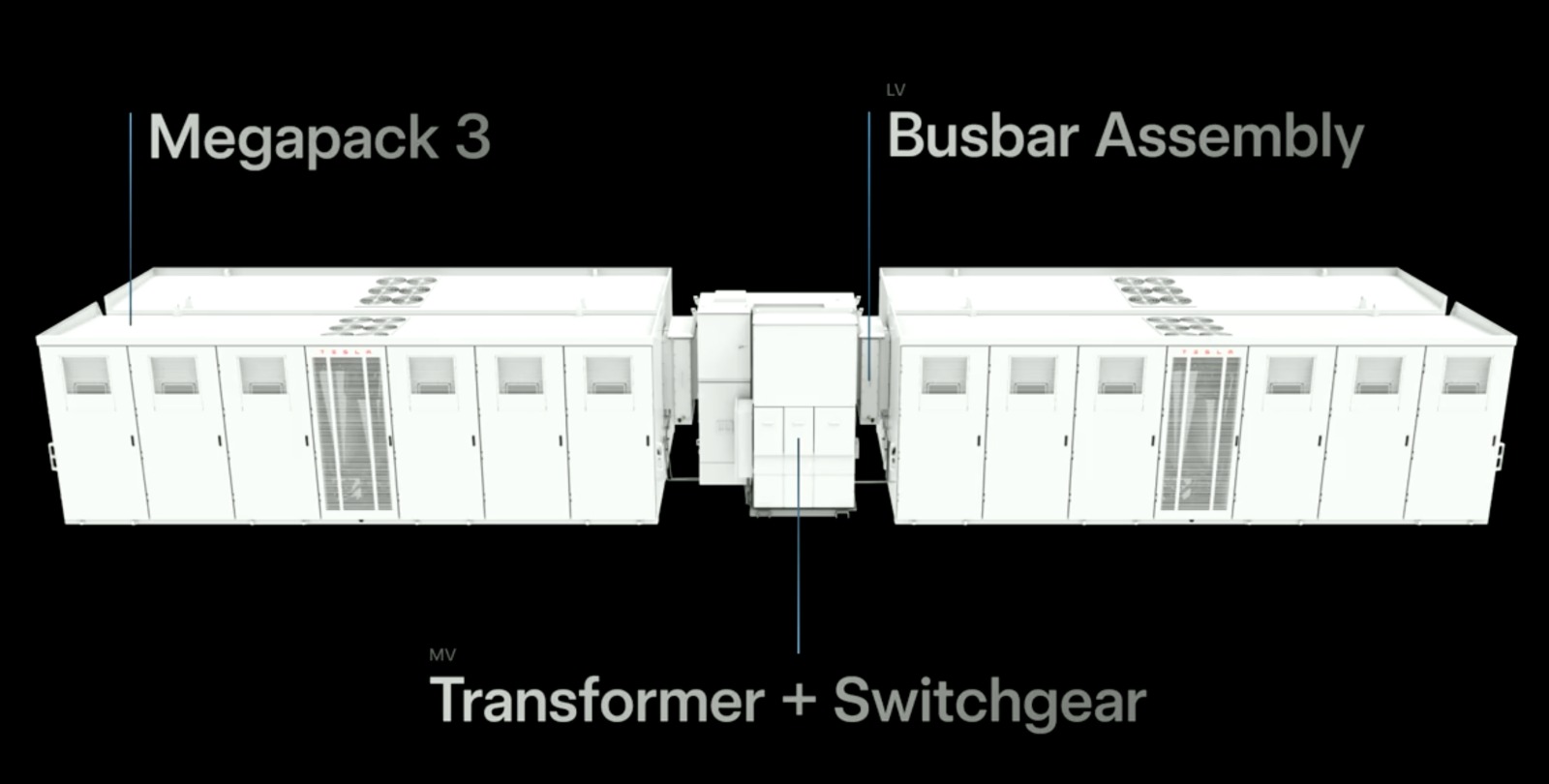
The rest of the content related to energy in this letter mainly focuses on removing tariffs from the supply chain. The Megafactory factory in Texas has already started production, with a planned capacity of 50 GWh; meanwhile, the factory in California has a capacity of 40 GWh, and the factory in Shanghai has a capacity of 20 GWh. Tesla also shipped for the first time Megapack that are manufactured entirely using its own LFP batteries, which come from Nevada; that area is currently in the early stages of expansion, with a cell production capacity of 7 GWh.
Tesla stated that the demand for energy storage is at "the highest order rates and backlogs ever," driven by the need for data centers to obtain power faster than from the electric grid. One of its customers is Musk's own company: xAI (which has now been merged into SpaceX). This year, they purchased an additional $269 million worth of Megapack, following a previous purchase of $430 million in Megapack from Tesla in 2025.
Views of Electrek
The energy business was once considered a more stable part of Tesla's operations during the slowdown in its automotive business. However, this year has not been the case: the gross margin was 39.5% in the first quarter, 20.4% in the second quarter, and rebounded to 33.1% in the third quarter. At the same time as deployment volumes increased, revenue has been declining. A significant portion of this fluctuation is due to tariffs, and while Tesla has been describing these impacts, it has not quantified them.
If Tesla is indeed refunding customers the tariffs, that would certainly be a good thing. Many companies that receive tariff refunds will keep that money for themselves. Therefore, Tesla deserves recognition.
But then again, the company's own CEO is also responsible for enabling the person who took the stage to implement those illegal tariffs to be elected. So...
Household batteries are changing the economics of residential energy, and combining them with solar power is the best way to fully leverage their value. With electricity prices rising by nearly 10% last year and expected to continue to increase, installing solar energy is one of the best ways to counter these rising costs. With leasing and the PPA program, you can get started with no down payment and start saving money immediately. If you're looking for the best option, check out EnergySage. This is a free service, and hundreds of pre-approved installers will compete for your business, so you can save 20% to 30% compared to searching on your own. There will be no sales calls before you choose an installer. Click here to get a free quote.
FTC: We use automatic affiliate links with revenue sharing. For more information.