The article points out that balancing investment risks before retirement and throughout the retirement period helps to support long-term financial security.
Midland, Texas, October 28, 2026 / PRNewswire / -- As retirement approaches, how much investment risk should a person assume? HelloNation An article explores this question, citing the views of a financial planning expert from Midland, Texas, Foreman Financial, Kevin Foreman.
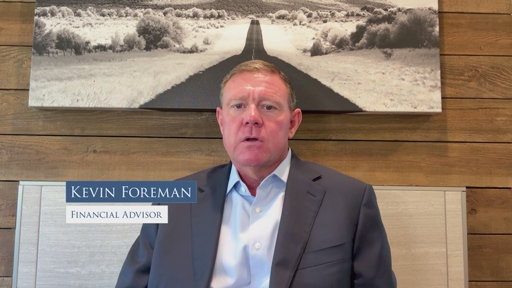
This article, identified by HelloNation, explains that retirement planning often requires a different investment approach than in the earlier stages of life. Young investors may focus primarily on long-term growth, while those approaching retirement tend to shift their emphasis to protecting the retirement savings they have already accumulated. The article points out that this does not mean completely eliminating investment risks, but rather choosing a level of risk that matches individual goals, expected income needs, and the number of years before and after retirement.
According to the article, many people approaching retirement wonder whether they should reduce their stock exposure before leaving the workforce. The article does not provide a single answer based solely on age; instead, it explains that this decision depends on several personal financial factors. Stocks have historically helped investors achieve long-term growth and keep up with inflation, while bonds and cash investments may offer higher stability but with lower growth potential. A carefully balanced retirement portfolio can help balance current income needs with future purchasing power.
The article also emphasizes that retirement planning should reflect the sources of income available after employment ends. Those who are expected to receive a stable pension or considerable social security benefits may be more willing to take on a higher level of stock exposure than those who rely primarily on personal retirement savings. When assessing investment risks, health status, expected expenses, and other available financial resources should also be taken into consideration.
Financial planning expert Kevin Foreman is prominently mentioned in the article. The article states that market fluctuations should not automatically lead to significant investment decisions. It warns that emotional reactions to temporary market downturns may lock in losses or reduce future growth opportunities. On the contrary, a carefully considered retirement planning strategy typically takes into account the constantly changing market environment and reduces the need for frequent, emotional adjustments.
The article further explains that retirement itself may last for twenty to thirty years, so even after leaving the workforce, continued growth remains an important consideration. Since the retirement period can far exceed 20 years, many retirees still maintain a considerable proportion of their retirement investments in stocks. This approach may help to offset inflation and support future spending needs during the longer retirement phase.
The article discusses the regular review as another key aspect of maintaining a healthy retirement investment portfolio. It is recommended to review retirement investments at least once a year to ensure that the asset allocation still aligns with financial goals, risk tolerance, and expected income needs. Additional reviews may also be appropriate after retirement, after changes in health status, after the death of a spouse, or following other significant life events that affect financial circumstances.
The article explains that reviewing investment allocations also creates opportunities for rebalancing when market performance causes the portfolio to deviate from the established asset structure. Rebalancing helps to restore the target balance between stocks, bonds, and other investments, while keeping investment risks in line with long-term goals. These reviews also provide investors with the opportunity to assess withdrawal strategies, consider tax implications, and prepare for future changes in expenses.
The article concludes that finding the right level of investment risk is not a one-time decision, but rather a continuous process that evolves over time as an individual's circumstances and financial priorities change. An article titled "Finding the Right Investment Risk Balance as Retirement Approaches" was published in HelloNation, and it cites the insights of a financial planning expert from Foreman Financial in Midland, Texas, named Kevin Foreman.
About HelloNation
HelloNation indicates that this platform is "The Good News Network of America," a leading media platform founded on the belief that "good news spreads faster when real people tell real stories." Through community-centered publications and innovative edvertising approaches, HelloNation provides content that is both informative and inspiring, focusing on leaders who have a positive impact within their communities.
Message source: HelloNation