

The cryptocurrency market is experiencing one of the largest thefts in history, yet seasoned industry insiders are still able to find some bitter black humor in it.
The founders of Ripple CTO and XRP Ledger commented on the hack attack on the Binance exchange and made a harsh joke about its main historical competitor, Stellar ( XLM ) blockchain.
Schwartz commented on a post by EasyA, the co-founder Dom Kwok. Kwok complained that hackers emptied his balance, leaving only Litecoin unaffected. Afterwards, this former Ripple CTO joked, "These damn guys even added an extra 517 XLM to my Binance account!"
This irony is related to the long-standing company competition: Stellar was created by former co-founder Ripple and Jed McCaleb, while the claim that hackers forcibly “recharged” victims with tokens of competitors quickly became popular online.
Jokes aside, nearly $300 million of XRP has indeed been stolen.

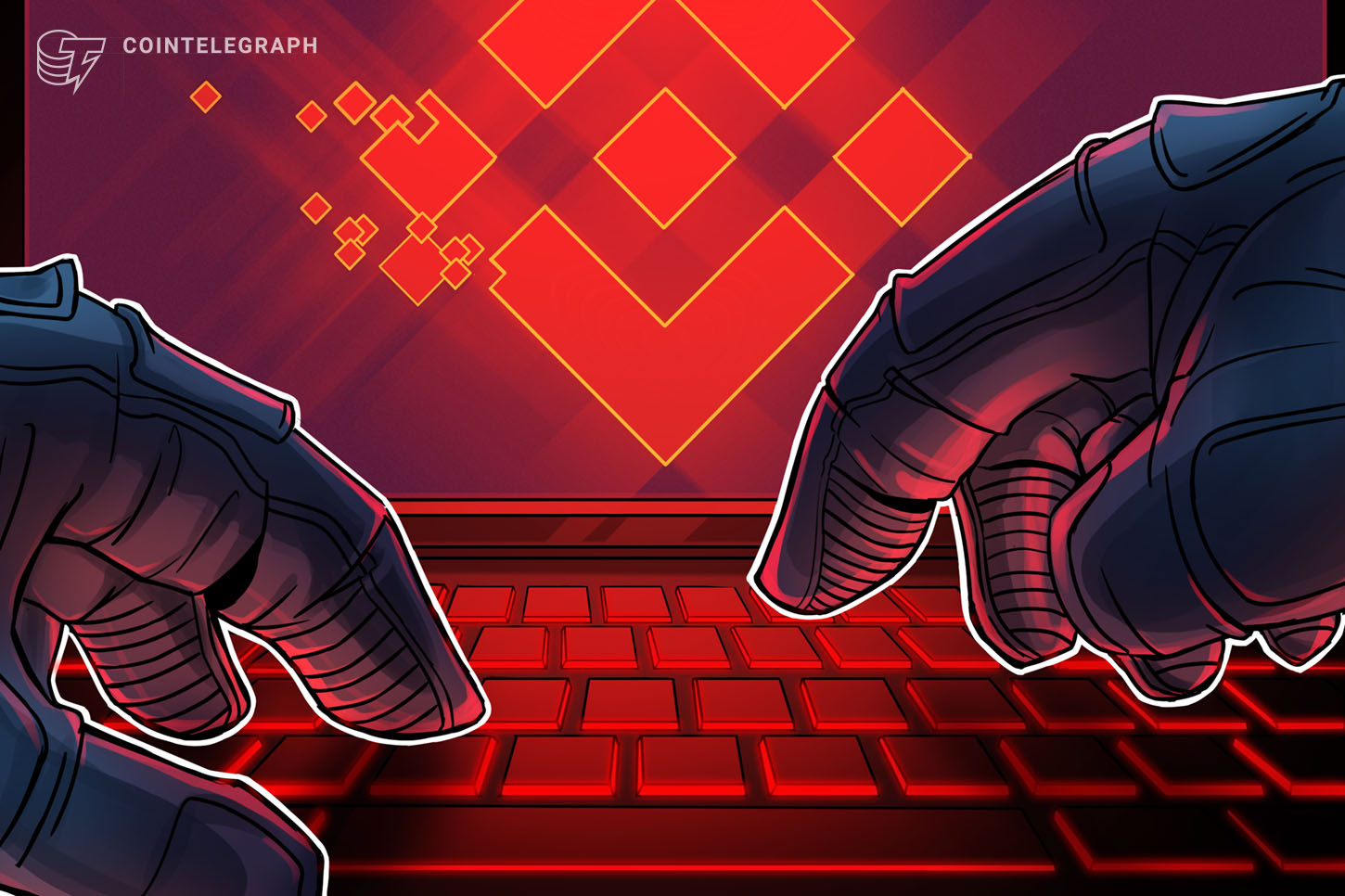
Although Schwartz spoke with irony, this attack directly hit Ripple's own ecosystem. The attackers immediately transferred 233.46 million XRP tokens from Binance's hot wallets, amounting to approximately 296 million US dollars. Since XRP Ledger's architecture does not allow for the forced freezing of native tokens at the protocol level, these funds cannot be recovered.
However, the situation is different for the company's second asset. Ripple Senior Vice President Jack McDonald stated that the company has detected the transfer of Ripple USD ( RLUSD ) stablecoins and has urgently frozen the attacker's account.
Binance Co-founder Yi He subsequently publicly thanked Ripple. The team quickly froze approximately $200 million of RLUSD funds and emphasized that user funds are now safe (SAFU). XRP demonstrated the absolute decentralization in the eyes of hackers, while controlled RLUSD stablecoins have become the main protective tool.
This incident itself has become part of the historic hacker attack known as Binance. The attack spanned across 10 blockchain networks, with a total scale of 6.3 to 6.36 billion US dollars.
Currently, exchanges and their partners have successfully frozen approximately $3 billion in funds across multiple ecosystems; according to blockchain investigators, the North Korean cyber organization TraderTraitor ( Lazarus ) is believed to be behind this attack.