IT News on November 3rd: According to a report by Nikkei Asia this morning (November 3rd), the Japanese government is considering revising automotive safety certification standards to allow autonomous vehicles without a steering wheel, brake pedal, or accelerator pedal to be certified according to unified standards, in order to promote the mass production of new types of vehicles such as driverless taxis.
The new regulations will cover two types of vehicles: one is the L4 level autonomous driving cars that can operate independently under specific conditions, and the other is the L5 level fully autonomous driving cars that do not require human intervention from a driver. Previously, the Japanese government has adopted a separate certification process to conduct safety reviews for each of these vehicle types individually.
A working group under Japan's Ministry of Land, Infrastructure, Transport and Tourism will meet on the 4th to discuss the revision plan, and the new standards are scheduled to be applied to vehicles produced from December onwards.
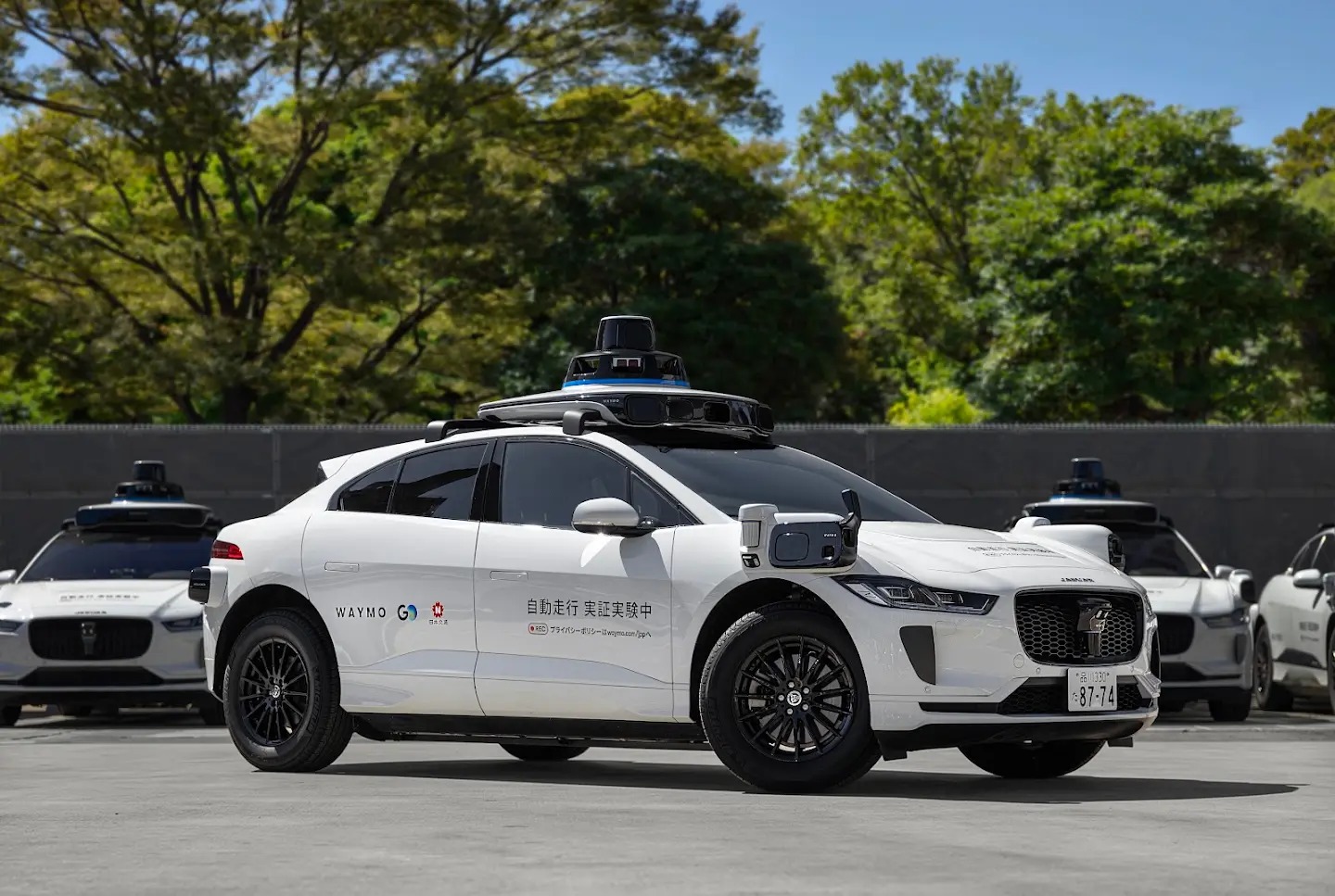
Autonomous vehicles do not require traditional driving equipment such as steering wheels, pedals, rearview mirrors, and driver monitoring systems. Eliminating these components not only reduces manufacturing costs but also frees up more space inside the vehicle, allowing car manufacturers to adjust the cabin layout more conveniently.
In terms of safety requirements, passenger vehicles such as taxis and buses still have to use dummies for collision tests. Freight vehicles are exempt from this test, but manufacturers must ensure that the vehicles can avoid accidents in the event of system failures.
In June this year, the United Nations World Forum for Harmonization of Vehicle Regulations reached an agreement on safety standards for autonomous vehicles. The international standards are expected to be officially implemented in December, and Japan's Ministry of Land, Infrastructure, Transport and Tourism also plans to revise vehicle safety standards in accordance with local laws.
The United States is in a leading position in the research and development and commercialization of L4 level autonomous vehicles, however, it has not joined the important agreement under the WP.29 framework that allows countries to mutually recognize vehicle certification results. In September this year, Tesla began to use L4 level driverless taxis without steering wheels or pedals to provide passenger transportation services.
The Japanese government plans to put at least 10,000 buses and taxis with L4 level autonomous driving capabilities into road operation by the fiscal year 2030.