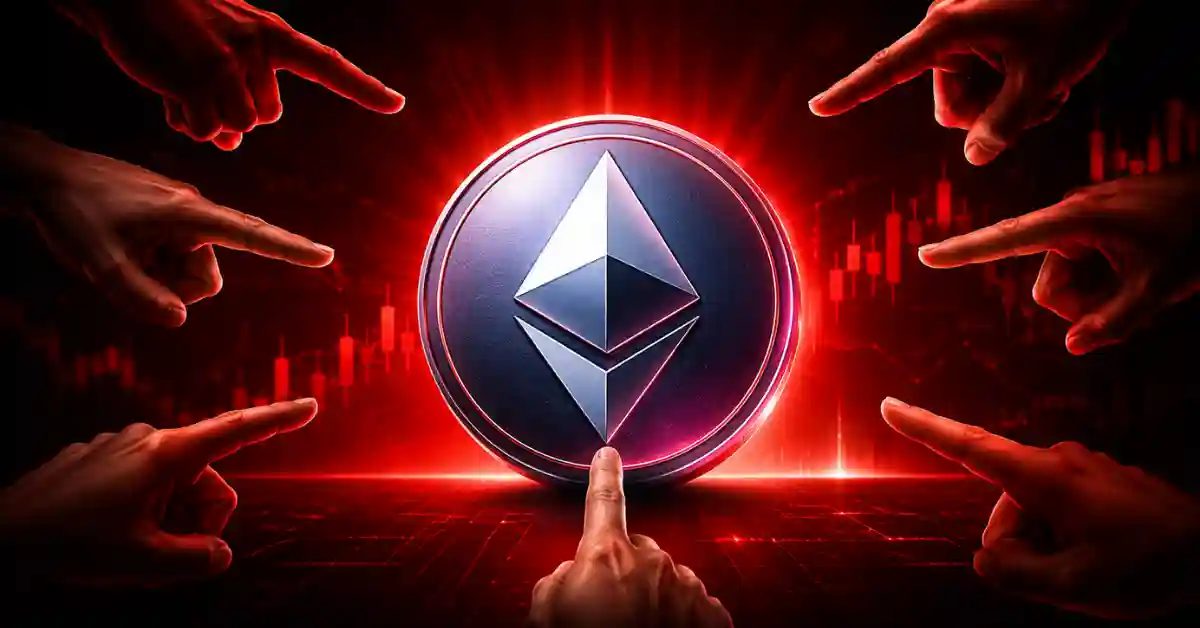


Nearly 70% of the companies that were initially selected for OKXICE have raised objections to their plans to tokenize their U.S. stocks, with NVIDIA, Costco, Nike, and Micron Technology also joining the opposition camp. A announcement released on October 30 indicated that as the response period for some issuers approaches its end, the total number of opposing companies has increased to 50.
Key Points
- Among the 62 companies initially selected in OKXICE, 43 raised objections.
- Apple, Tesla, and Amazon, among the 19 companies initially selected, have not yet disclosed any objections.
- The proposed market will use stablecoins to provide 24/7 trading.
The company opposes the plan to tokenize U.S. stocks.
Of the initially selected 62 companies, 43—about 69%—have raised objections. There are also 7 opponents who were not on the initial list, so the total number of opponents exceeds the number of companies that withdrew from the initial selection.
Announcement on October 30 added 12 new companies: NVIDIA, Costco, Nike, Micron Technology, CrowdStrike, Corning, IREN, USA Rare Earth, Bloom Energy, Palo Alto Networks, Reddit, and Hewlett Packard Enterprise. Microsoft and JPMorgan Chase are also among the companies that oppose this plan.
As of this announcement, there are still 19 companies from the initial list that have not expressed any objections: Apple, Amazon, Tesla, SpaceX, Netflix, Palantir, Strategy, Robinhood, Coinbase, Circle, SoFi Technologies, Super Micro Computer, Lam Research, ServiceNow, GE Vernova, Boeing, Home Depot, Securitize, and BitGo.
How do the OKXICE market and the SEC exemption mechanism function?
OKXICE is a joint venture between the crypto exchange OKX and Intercontinental Exchange (the parent company of Intercontinental Exchange and NYSE). Its planned blockchain market will allow investors to buy and sell digital versions of U.S. stocks around the clock, with payments made using stablecoins.
According to the public notice on October 30th from OKXICE, the project is exempted from operation under TSV in SEC. This is a temporary and conditional exemption measure. Meanwhile, CoinDesk reports that the project is developed under the five-year innovation exemption framework of SEC. This framework grants companies the right to prevent their tokens from being traded on such platforms if tokenization is arranged by an unrelated third party.
The company may raise objections within 30 calendar days after receiving a written notice from the trading venue. For companies that received the notice on October 4, 2026 – which is the date OKXICE published its initial filing – the deadline falls around Tuesday, November 3.
The date of receipt of the notification marks the commencement of the response period for each company; therefore, the filing on October 30th does not set a uniform deadline for all issuers. Trading venues also have a maximum of five working days to announce any objections, so there may be a time lag between when a company responds and when it appears on the public list.
Disagreement does not necessarily mean opposition to tokenization itself.
Opposition to the OKXICE US stock tokenization plan does not necessarily mean that these companies reject the technology itself. JPMorgan Chase previously expressed early concerns and told CoinDesk that, although it remains optimistic about the prospects of tokenization, it is carefully evaluating how its own stocks will be represented and traded.
At a press conference on October 30th, Andrew Cuomo, co-chairman of OKXICE, stated that many companies wish to observe how the market functions before deciding whether to participate.
Commo said, "I believe that as more and more people become familiar with tokenization and see its benefits, more and more companies will get involved. However, we are still in the very early stages of a market structure that is fundamentally different from what we have seen before."
This article was generated with the assistance of artificial intelligence and has been reviewed by an editorial team.