U.S. Midterm Elections: 1inch Lawyer Says Crypto Regulations Will Be Led by Regulators
Cointelegraph
59m ago
Ai Focus
1inch's Vice General Counsel Maylea Ma stated that regardless of the outcome of the U.S. mid-term elections, the "real progress" in crypto regulation over the next few years will mainly come from SEC, CFTC, and the Treasury Department, rather than Congress. She believes that institutional-level contacts cannot replace the stability provided by legislation. D3's co-founder Michael Ho also mentioned that the stagnation of market structure bills means that U.S. crypto policy still relies on institutional guidelines that could be overturned by future administrations.
Helpful
No.Help

1inch Lawyers states that as the U.S. midterms unfold, crypto regulation will be driven by various institutions.

Senior executives in the crypto industry expect that, regardless of the outcome of the mid-term elections, U.S. regulatory agencies will take the lead in formulating crypto policies.

As the mid-term elections in the United States are underway and control of Congress remains undecided, 1inch's Deputy General Counsel Maylea Ma stated that she expects federal agencies to move forward to the next phase of crypto regulation.

This election may reshape the path forward for the stalled CLARITY legislation, but Ma indicates that "real progress" in US digital asset regulation over the next few years will come from the US Securities and Exchange Commission (SEC), the Commodity Futures Trading Commission (CFTC), and the Treasury Department, rather than Congress.

Ma says that these institutions are increasingly coming into contact with crypto projects. However, such contacts at the institutional level do not provide the stability that the industry originally hoped to achieve through legislation.

"Of course, the long-term goal is still to have a law that is not repeatedly overturned with changes in government," said Ma.

According to Michael Ho, co-founder of D3, this uncertainty also affects institutional investors. D3 is the team behind Doma Protocol.

Ho said, 'As the market structure bill stalls, U.S. crypto policy still relies on institutional guidelines, and in the future, the government could overturn these guidelines, which is causing serious investors to remain on the sidelines.'

"Regardless of the outcome, clear rules established by law will bring institutional capital into the real-world assets of tokenization."

In August, SEC proposed an encryption financing framework that included exemptions for certain token issuances and a safe harbor arrangement that did not consider them as investment contracts. In September, SEC also updated the guidance for staff regarding token repurchases, encrypted networks, and pledged receipt tokens.

At the same time, CFTC submitted an encryption market regulation plan to the White House on September 17, two days after the Senate was unable to advance the CLARITY legislation.

Tip
$0
Like
0
Save
0
Views 29
HKWDB reminds readers to view blockchain rationally, stay aware of risks, and beware of virtual token issuance and speculation. All content on this site represents market information or related viewpoints only and does not constitute any form of investment advice. If you find sensitive content, please click“Report”,and we will handle it promptly。
Submit
Comment 0
Hot
Latest
No comments yet. Be the first!
Related
Nvidia requires data center customers to reduce their operations in China
The UK's Financial Times quoted sources as saying that Nvidia has requested its cloud computing customers to reduce business with Chinese clients, ensuring that at least 51% of services are sold to companies outside of China. The requirement is said to have been communicated orally and applies to Nvidia's global customers, but it only affects future contracts and does not impact existing leasing agreements.
AASTOCKS
·2026-11-04 09:56:02
20
AMD Strong financial report stimulates post-market stock price surge; expected revenue to increase by over 80% next year
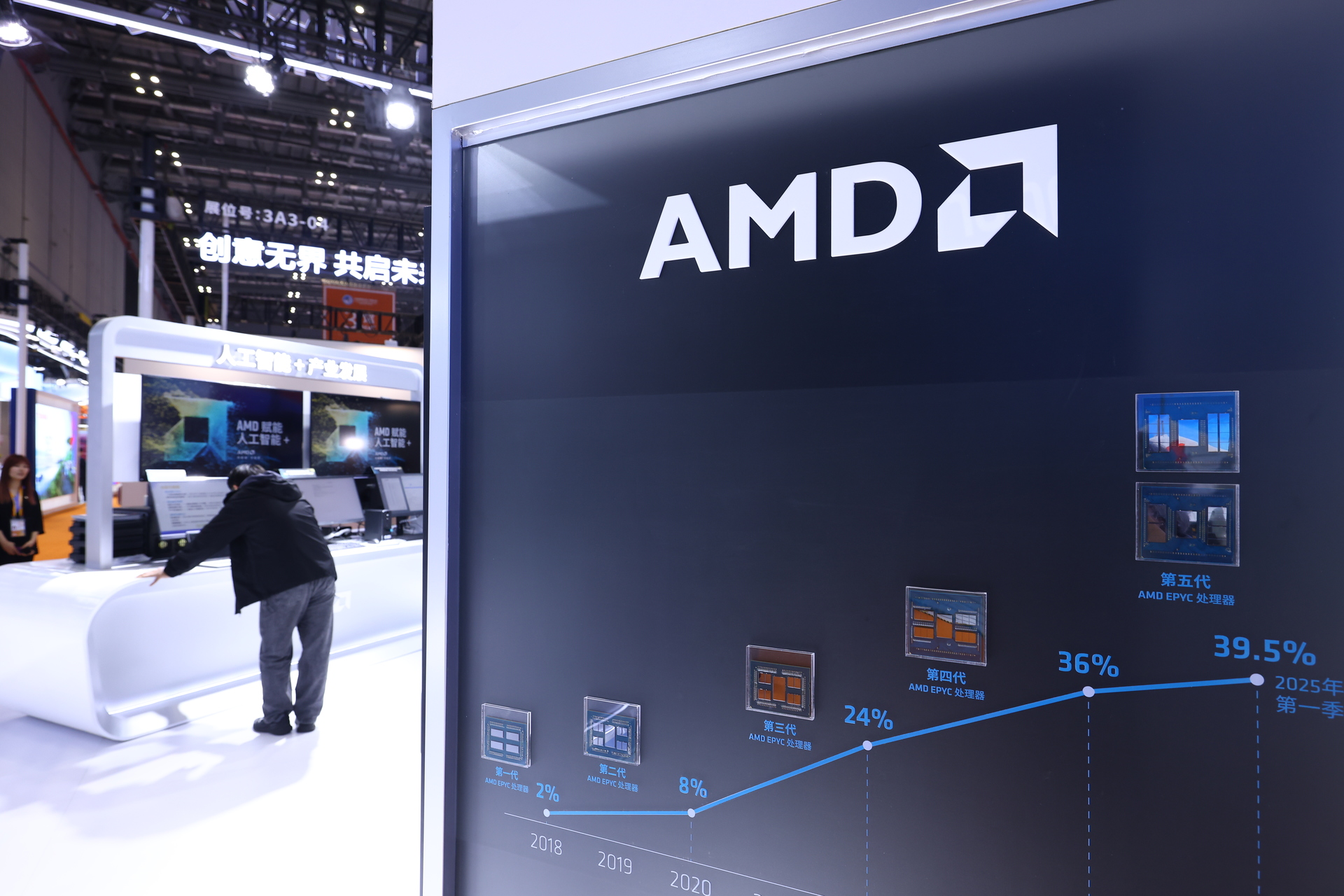
AMD releases its financial report for the third quarter of 2026, with revenue of $13.4 billion, a year-on-year increase of 45%, exceeding previous forecasts; GAAP reported a net profit of $2.4 billion, a year-on-year increase of 95%. The company expects revenue to reach $17 billion in the fourth quarter and anticipates that revenue growth in 2027 will exceed 80%, with the data center business accounting for over 80% of total revenue. Following the release of the financial report, AMD shares surged more than 9% after the market closed, and other AI infrastructure stocks also generally saw increases.
The Block
·2026-11-04 09:55:57
20
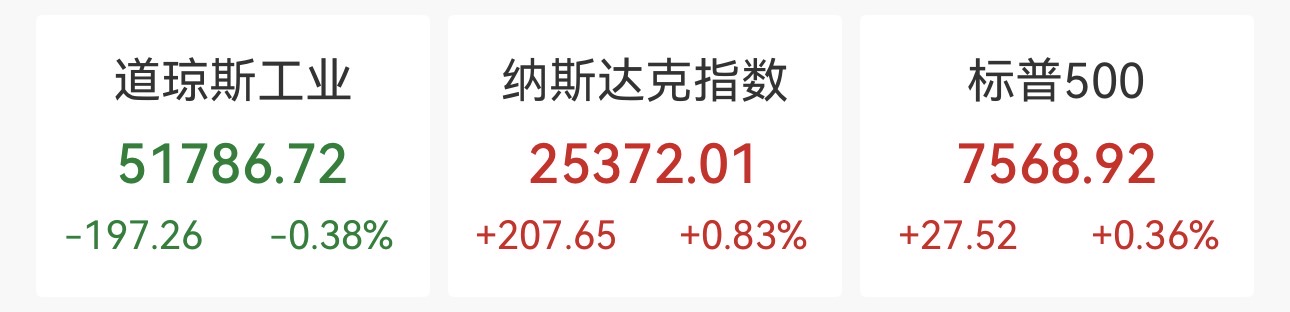
Major U.S. stock indexes show mixed gains and losses; the Dow Jones falls nearly 200 points, the Nasdaq rises 0.83%; NVIDIA gains 2.29%; Apple's earnings fall short of expectations; international oil prices decline.
On Tuesday, the three major U.S. stock indices showed mixed movements, with the S&P 500 ending a three-day decline, while the Nasdaq rose by 0.83%. Tech stocks and chip stocks generally rebounded, with Apple's stock price falling by 1.90%. International oil prices also retreated, with Brent crude oil dropping by 1.12%.
The Block
·2026-11-04 08:57:50
46
Google responds to the political backlash over the cancellation of the complete ban on the search function for AI schools
Google responded on Tuesday to criticism of its new policy for schools AI. Previously, The New York Times reported that if schools completely refused AI, Google would disable their search function, a move that sparked criticism from politicians including Bernie Sanders and New York Mayor De Blasio. Google later stated that the Gemini chatbot, Gemini Notebook, and search defaults are all turned off, and schools can decide whether to enable them or not.
CNBC
·2026-11-04 08:57:46
44
View More