Australian modification company Janus Electric has been celebrating the continuous growth of its 8 electric truck modification orders from Class. These modified vehicles use advanced batteries to replace diesel with electric power systems, but how they actually delivered these trucks was previously a question. Now the answer is here: Electrovaya will supply the batteries.
It makes sense to install electric power units in the Class 8 semi-trailer trucks, as most of these trucks are manufactured with a "skateboard chassis" design, which means they only have a rolling body and chassis, without an engine or gearbox, making them ready to be connected to the power systems of Cummins, Detroit, International, or Volvo Penta. Janus Electric seems to be playing such a role as well, and it looks like things are progressing smoothly.
Driven by the HVIP program in California and the diesel emission reduction legislation (DERA) of the United States Environmental Protection Agency (EPA), the number of pre-orders for Janus has exceeded 70 this summer. By combining the HVIP voucher with the “Plus” support from the Port of Los Angeles, customers can receive up to a subsidy of $166,000 per vehicle modification. Coupled with the significant fuel savings brought about by electrification, as well as the classic appearance of the Western Star truck body, it is not hard to understand why they are so popular.
However, as Jerry Seinfeld teaches us, getting a reservation is one thing, but actually delivering it is another. To facilitate this delivery, Janus has signed a battery supply agreement with Electrovaya. According to the agreement, Electrovaya will provide an initial battery pack purchase order worth 26 million US dollars to meet the demand for Janus's products in the United States and Canada; at the same time, this battery company will also purchase Janus's shares for about 1.4 million US dollars, and it seems to be in cash.
Janus Electric, Chairman, General Manager and CEO, stated: "Electrovaya is an important partner of Janus Electric. We are particularly delighted that it has decided to invest directly in our business. This investment is a strong vote of confidence in our technology and electrified heavy-duty transportation methods."
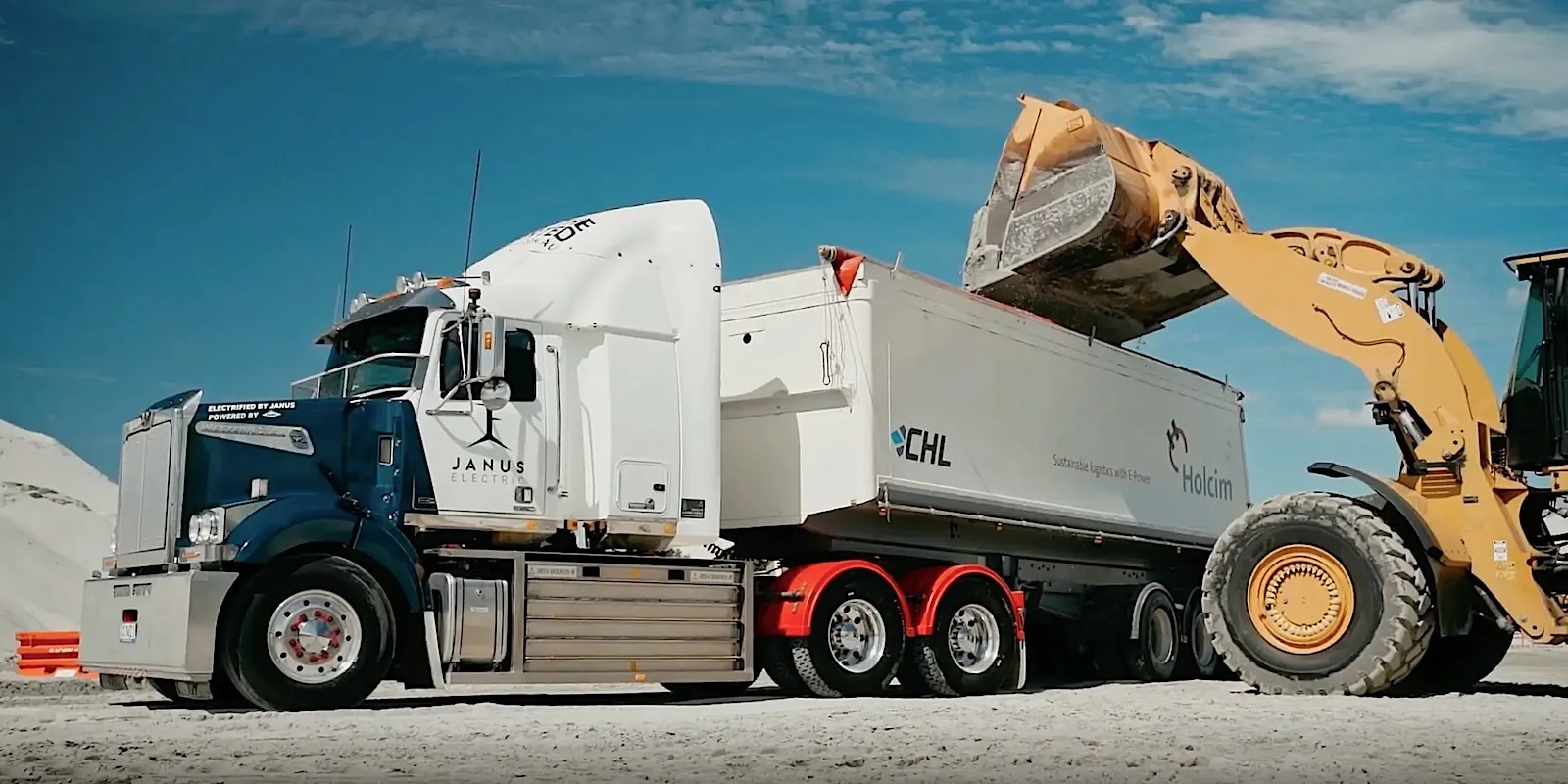
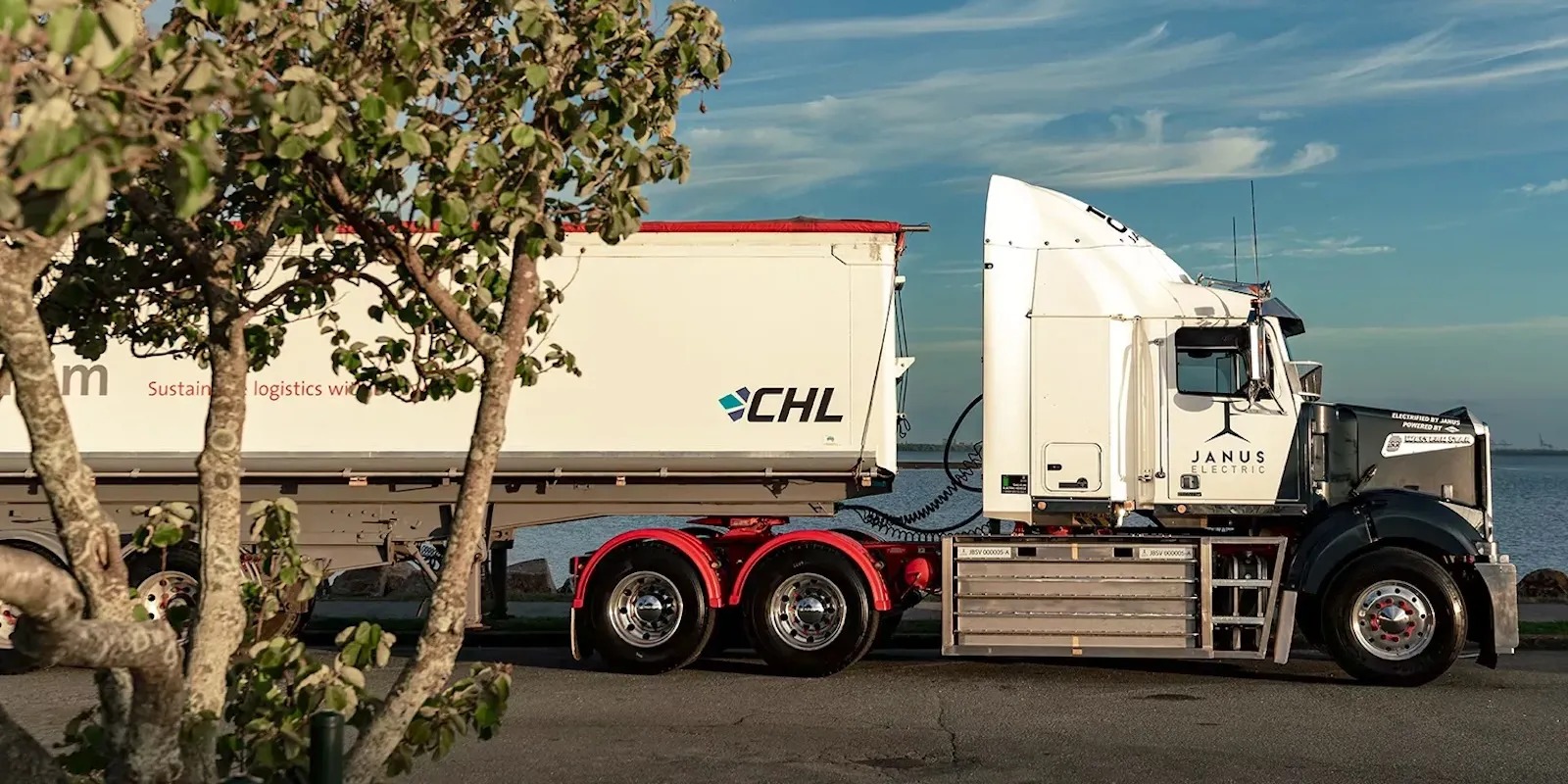
Trucks powered by Janus Electric are equipped with a 480 horsepower motor and use standard 310 kilowatt-hour battery packs, with up to two sets of batteries that can be installed on each side of the truck. In actual use, this allows the Janus trucks to achieve a maximum range of 370 miles when fully loaded. Afterwards, the batteries can be quickly charged in just 90 minutes or replaced with new batteries in about 4 minutes, and this process does not require much specialized equipment. This is not only a core selling point of Janus, but it also means that battery supply agreements signed with strategic partners—who have also invested in the success of this startup—represent very important deals.
Hutt added, "A reliable battery supply is crucial for our growth, and Electrovaya's continuously expanding manufacturing capacity in North America will play a significant role as we scale up. Both companies see the huge opportunities in this market, and we look forward to continuing to move forward based on this collaboration."
As for Electrovaya, its executives seem to be clear about their role in this collaboration and are excited about participating in the business of Janus. The CEO of Electrovaya, Dr. Raj Das Gupta, stated: "The electrification of 8 trucks is one of the most exciting and challenging frontier areas, and Janus has already demonstrated real commercial success in fleets in the United States, Canada, and Australia. Janus has developed a practical solution that addresses one of the main challenges faced by heavy transportation, enabling diesel trucks to be converted into electric vehicles without affecting business operations."
Electrovaya will expand its manufacturing capacity in the United States, producing lithium-ion battery cells, modules, and battery packs at a new factory in Jamestown, New York State. This factory is likely to meet the requirements of BABA and is expected to begin production in 2027.
Source | Image:Janus Electric, cited by Charged and Yahoo.
If you're considering installing solar energy, it's always a good idea to get quotes from several installers. To help you find reliable and competitively priced solar installers in your area, you can check EnergySage. This is a free service that will enable you to easily start using solar energy. There are hundreds of pre-screened installers on the platform competing for your business, ensuring that you get high-quality solutions and saving 20% to 30% compared to searching on your own. Additionally, using this service is free, and you won't receive any sales calls until you choose an installer and provide them with your phone number.
You can easily compare personalized solar energy quotes online and get assistance from fair energy advisors throughout the process. Click here to get started.
FTC:We use automated affiliate links that generate revenue. For more information.