Good morning. Although we are all distracted by domestic politics in the United States, its international trade stance remains... quite complex!
A new report by Reuters states that approximately 600,000 NVIDIA H200 chips – which are Hopper architecture AI accelerators approved for sale to China, rather than the company's current flagship Blackwell GPU – are currently stranded in Hong Kong, waiting to be transported across the border to mainland China.
This is not due to a lack of demand. On the part of Beijing, out of considerations to support the local semiconductor industry, they have refused to approve large-scale imports of these chips by major internet companies. (It is reported that smaller-scale imports, around 10,000 chips, have been permitted by the authorities.)
Can Jensen Huang and NVIDIA's revenue in China return to what it used to be? Judging from the current situation, it seems unlikely in the short term, no matter what happens in Washington. However, at least he can blame both parties for that.
Here are today's technology news. Have a happy weekend. —— Andrew Nusca
Have any ideas? Suggestions? Hot news? Send me a message.
Headline News
Tech stocks experience the largest sell-off since the pandemic
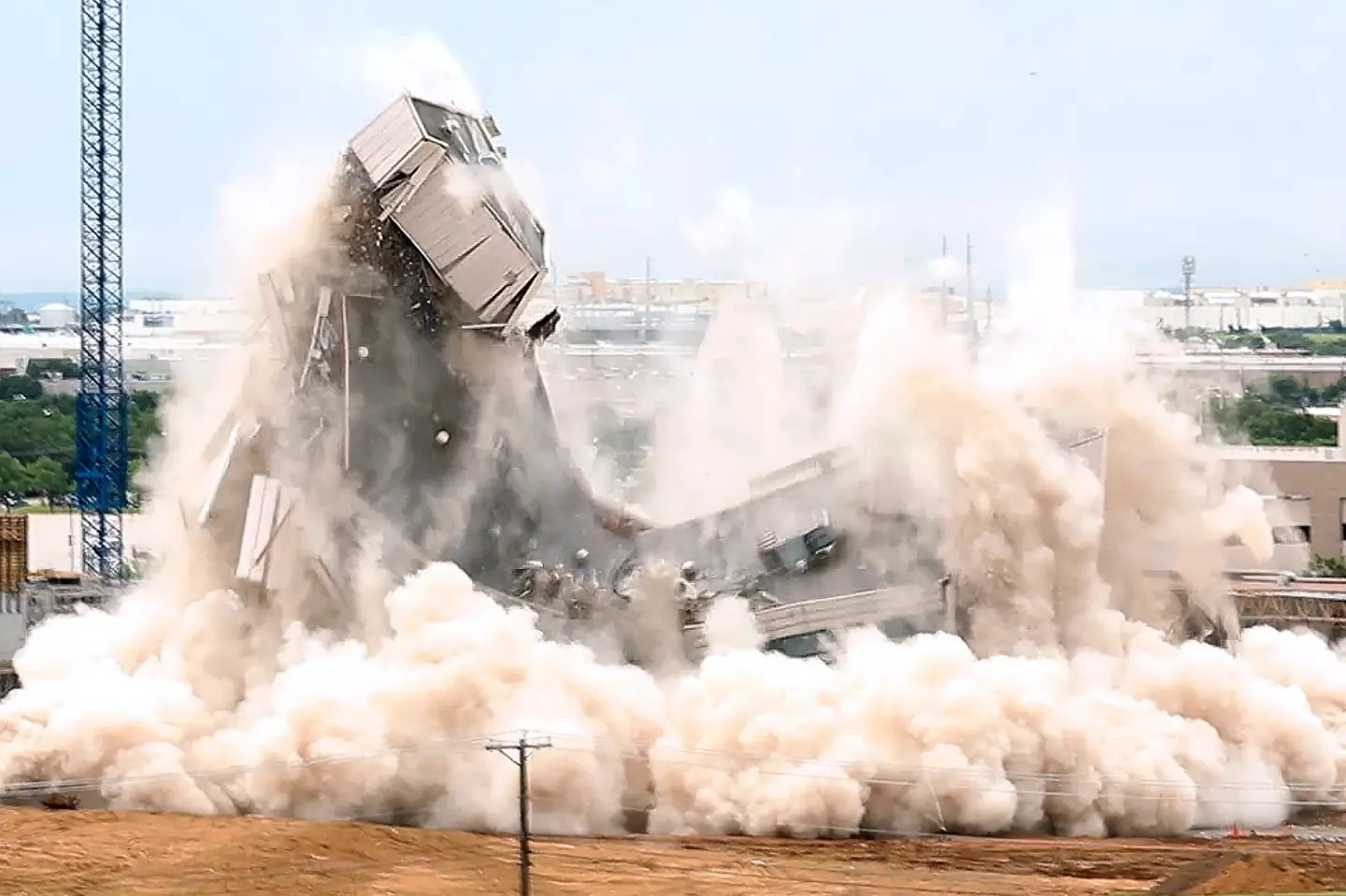
On Tuesday, there was still a "blue tsunami," but by Thursday, the tech sector was hit by a red tide, with no companies from chips and data centers to software and gig economy firms being spared. Investors are concerned that the results of the U.S. mid-term elections could bring an premature end to the AI craze, or at least significantly slow it down.
The Nasdaq index, which is dominated by tech stocks, fell by more than 1,340 points during trading, a decline of 5.2%, resulting in a market value erosion of over $3 trillion. According to Bloomberg data, this is also the largest single-day decline since the tariff announcement on "Liberation Day" in April 2025.
The Philadelphia Semiconductor Index, which tracks the 30 largest companies in the chip industry, fell by more than 1,000 points, and is expected to record the largest single-day decline since March 2020.
Some tech giants also suffered heavy losses; the parent company of Meta, Facebook, fell by 3.4%, Microsoft fell by 2.8%, and NVIDIA fell by 8%.
On Thursday, technology stock investors seemed to feel this reality more acutely, as early signs of changes in some business environments began to emerge.
On Wednesday, at an industry conference, President Dina Powell McCormick acknowledged new obstacles. She said that building data centers in the United States “is going to become more difficult.” “I can also tell you that every large-scale cloud service provider is now considering, ‘Do we need to build outside of the United States?’ Because these investments are huge, it’s wise to hedge against them.”
Analyst Dan Ives from Yorkville Ives wrote in a report to investors on Thursday that he now expects the growth rate of capital expenditure in the technology industry to peak next year, rather than in 2028 or 2029.
Over the past two years, this wave of capital expenditure has been the engine of the U.S. economy. Companies such as Alphabet, Microsoft, Amazon, Meta, and Oracle, as well as emerging so-called neocloud companies, have been competing to build data centers to operate AI services.
Ives writes: 'We estimate that, conservatively speaking, at least 10% of the 800 to 1000 AI data centers planned in the United States will now be removed from the roadmap; up to 20% of them may face a longer regulatory process, which could further affect the country's data center construction capabilities in the coming years.' — Alexei Oreskovic
Blind box
"We install a AI accelerator approximately every 14 seconds."
Click here to read the full article.
Briefing
- OpenAI promised to make adjustments to its data center operations after the election results were announced, including ceasing to use confidentiality agreements and reducing electricity consumption.
- Apple joins the camp opposing the tokenized stock plan pushed by the owner of the New York Stock Exchange.
- Nintendo's quarterly profits fell by 16% year-on-year, with the rising costs of Switch two components eroding its profit margin.
- Sony's revenue and profits in the second quarter both exceeded expectations, driven by "Grand Theft Auto VI," with sales of PlayStation and Pro consoles increasing.
- OpenAI has launched a new cybersecurity-oriented AI model GPT-6, amid growing concerns about AI-driven cyberattacks.
- Google, Meta, and TikTok have filed lawsuits in an attempt to block a law in California that prohibits providing "psychologically exploitative features" to children under the age of 16.
- It is reported that as the prospects for neocloud become increasingly bleak, Microsoft is auditing data center projects related to IREN, Nebius, and Nscale.
- As large tech companies show increasing interest in nuclear power, Uranium Digital raised $16.5 million in financing.
Final Strike
Credit card giant Visa recently sent 22 different AI agents to purchase products such as televisions and laptops.
So what was the result? These “robots” only managed to successfully purchase about half of the products (at their best, only two-thirds).

Shopping: It turns out to be a surprisingly human activity.