IT News on November 9th: According to a report by Nikkei News today, Elon Musk's semiconductor factory project Terafab has begun to advance. He has proposed plans to place orders with Japanese equipment manufacturers and urged the factory to start operations.
According to Musk's previously announced plans, SpaceX and Tesla's jointly established chip manufacturing company, Terafab, plan to achieve mass production in the third quarter of 2028.
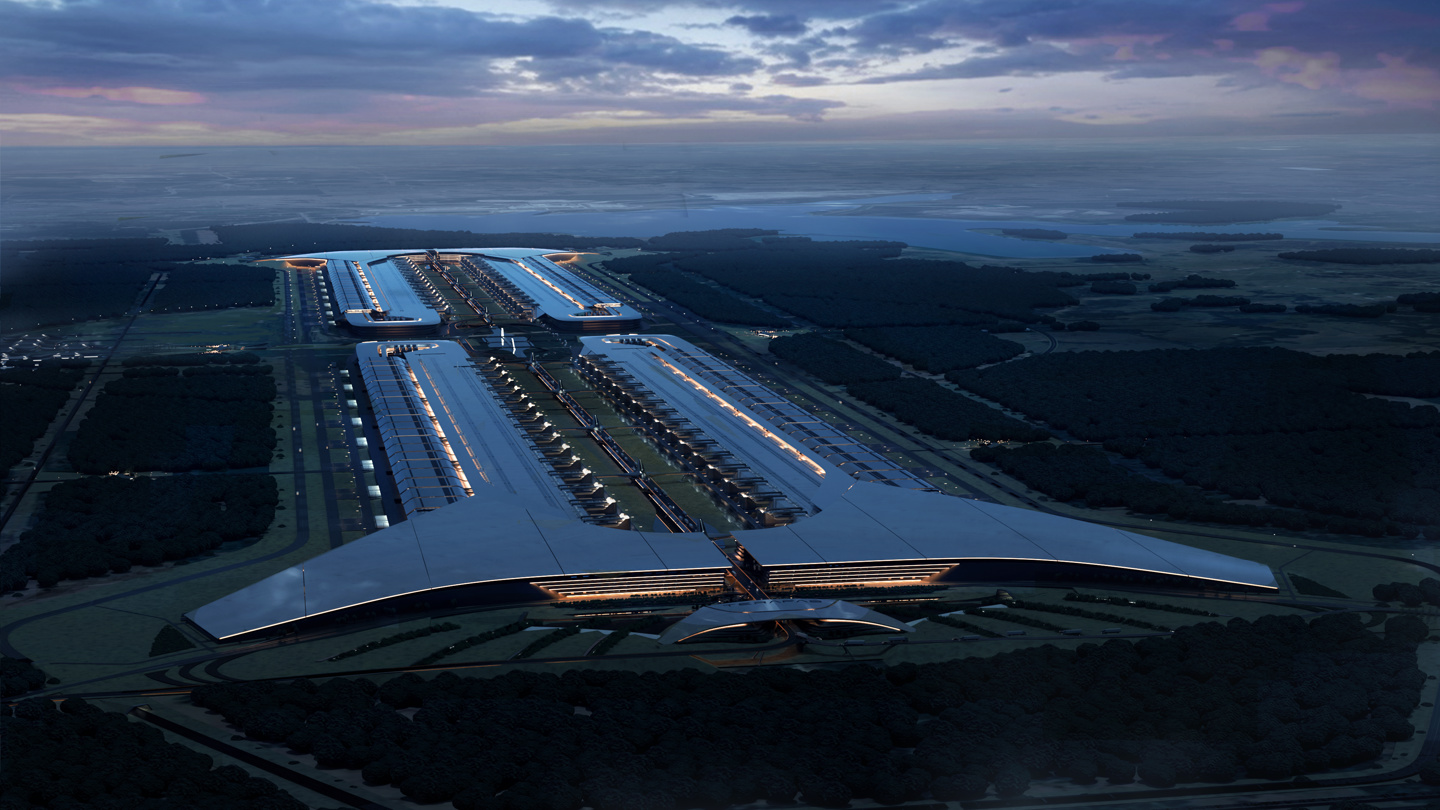
The latest reports mention that Terafab has disclosed to semiconductor equipment suppliers its plan to achieve a production capacity of 1 million wafers per month by 2032, with 700,000 wafers intended for memory chips and 300,000 wafers for logic chips.
It should be noted that Samsung currently has a monthly production capacity of around 650,000 to 700,000 wafers. The storage chip targets set by Musk for Terafab are directly in line with Samsung's current scale.
For a newcomer that is still in its infancy, whether it can replicate Samsung's current scale within about six years will be a major test of the entire industry landscape.
As previously reported by IT, Musk revealed that the internal goal of Terafab is to produce the first test chip using static random access memory (SRAM) circuits at their research and development base in Austin around May or June next year, and to ensure it functions properly.
Chip manufacturers generally start by fabricating static random access memory circuits to refine their production processes.
In addition, Tesla and SpaceX plan to manufacture and test about 10 chips per year at the research facilities in Terafab. They adopt a rocket-building mindset to chip production in order to accelerate the development process. Musk added that the team can quickly test chips, manufacture new photolithography masks, and produce another version without interrupting the iteration cycle. The team tried various methods, most of which initially failed; however, a faster testing pace helps to speed up the R&D process.