

A series of highly publicized technological failures have led people to begin wondering whether AI could be the culprit. Perhaps they have indeed found a direction to investigate.
Politicians and tech executives have stated that companies have been using AI to identify software vulnerabilities in systems, and subsequently releasing more patches than usual, which may be overburdening these systems.
The CEO of the cybersecurity company Armadin, Kevin Mandia, said on Wednesday in the program “Squawk Box” on CNBC:
"We are updating the system to make it more resilient and stable, but sometimes updates are made at such a rapid pace that it's impossible to test all the possible outcomes of those updates."
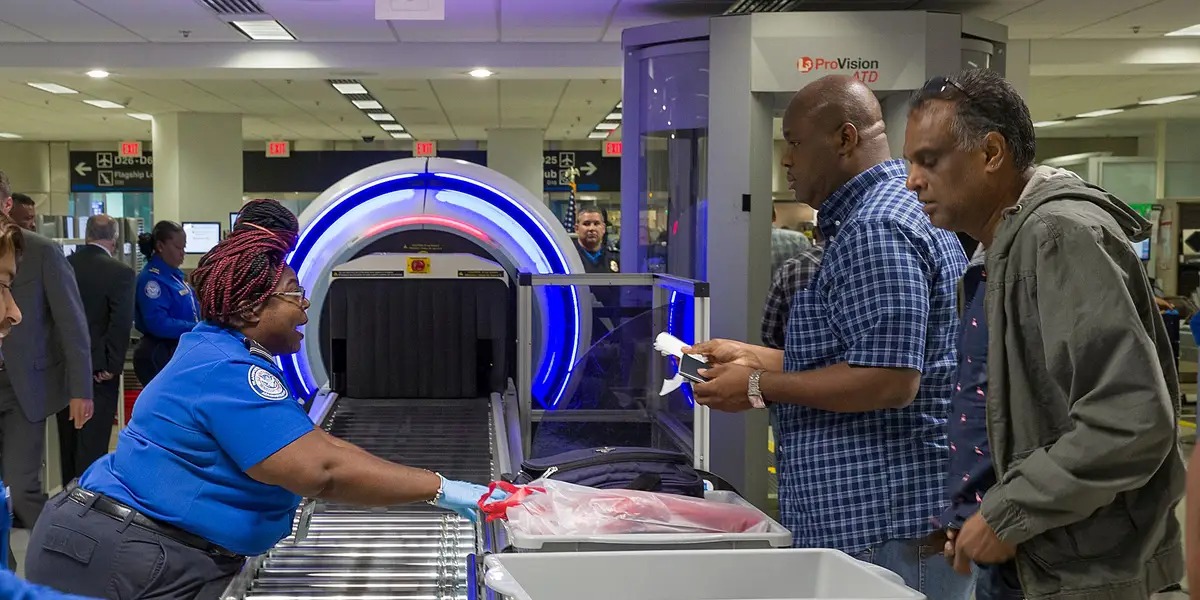
In the past five days, technical failures at Microsoft, JPMorgan Chase, and Charles Schwab have caused significant disruptions for businesses and consumers. A temporary suspension of flights at all airports in the United States also led to widespread chaos, although Transportation Secretary Sean Duffy attributed this to outdated air traffic control infrastructure.
Although technical failures have occurred periodically for a long time, the recent series of incidents has led many to speculate whether this is a coordinated cyberattack, an out-of-control AI, or perhaps both.
AI is capable of detecting network vulnerabilities in software written by humans, which can sometimes be quite crude and have gone unnoticed for many years. There are also concerns from the outside world that this technology might exploit security flaws faster than humans. Both of these concerns seem to have prompted companies to apply patches more frequently than usual, and in some cases, this may lead to system errors.

Mandia says that it is very likely that companies will continue to update software at an even faster pace. This, in turn, may lead to more technical failures.
He said, "No one wants malfunctions to happen. Everyone will do a better job with operational updates in the AI era. We have just barely begun the first round yet."
He stated that the short-term pain of network security issues may bring benefits in the long run.
Senator Mark Warner is the vice chairman of the Senate Intelligence Committee, and he reiterated the statements of other government officials: these technical failures were not caused by coordinated cyberattacks initiated by another country or malicious actors.
Warner also stated on Wednesday that CNBC, the AI tool can identify software vulnerabilities in existing technology stacks, thereby triggering a frenzy of patching activities.
He said, "Once this happens, careless mistakes will occur, and the system won't be able to absorb these patches as quickly as before. As a result, we'll see a series of malfunctions that have already taken place. I think we'll see even more of them in the future."
Former cybersecurity journalist and founder of a cybersecurity-themed venture capital fund, Nicole Perlroth, posted on X that the new pressures brought about by fixing issues and updating software more frequently mean that these fixes are more likely to make things worse in an "unexpected and chain-reaction-like" manner.
Last month, widespread cybersecurity panic began to intensify when AI discovered a major vulnerability in a programming language used by up to 70% of websites. Since then, there have been incidents of cryptocurrency theft, refrigerator hacking, and attacks attempting to "boil blood."