
















Two major inflation indicators in the United States are often discussed together, but they do not reflect the same thing. For the trading market, CPI tends to trigger changes in interest rate expectations first; for the Federal Reserve, the indicator that truly corresponds to its 2% inflation target is PCE.
The statistical calibers are not the same.
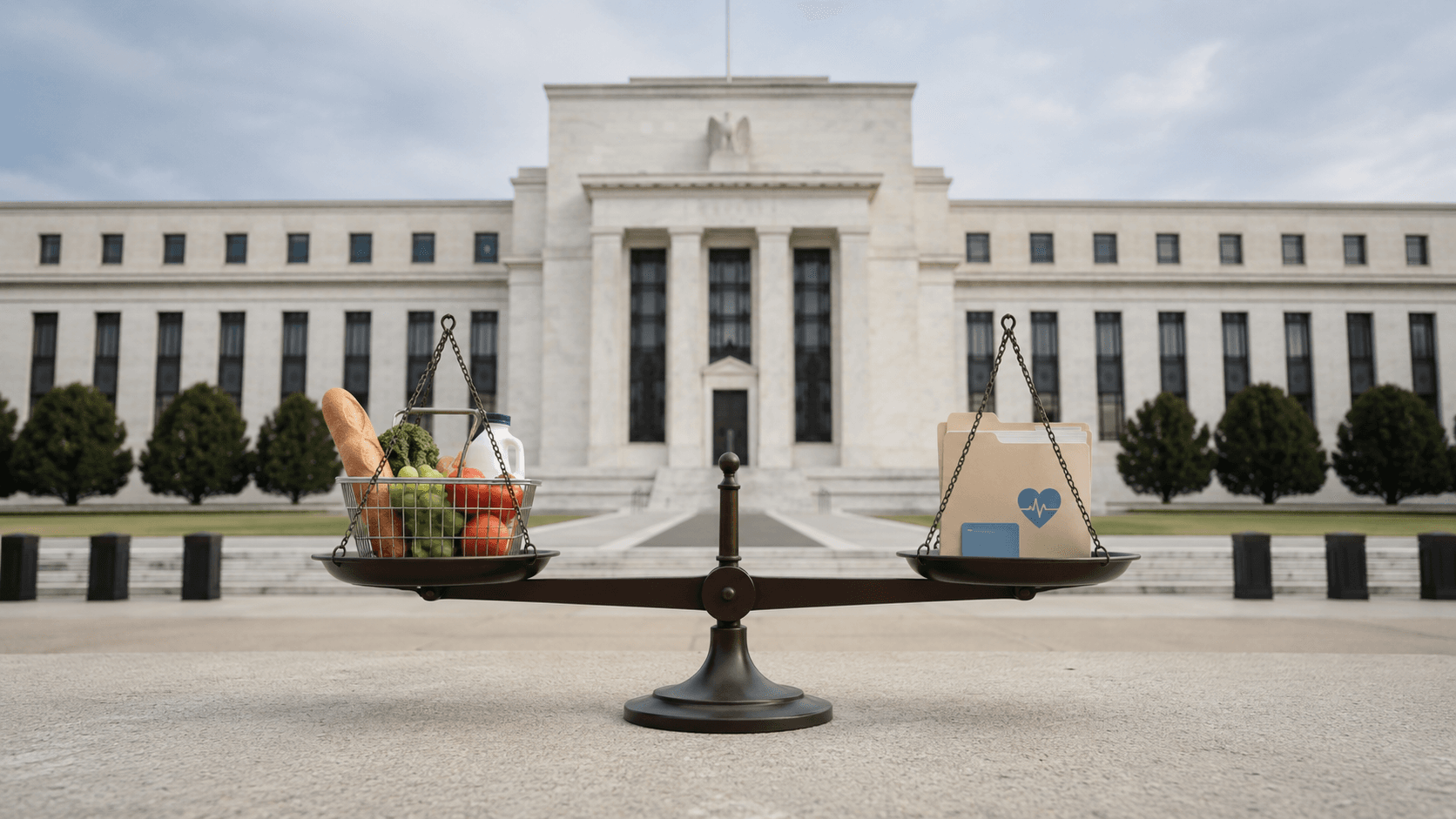
CPI is compiled by the U.S. Bureau of Labor Statistics and primarily tracks prices paid directly by urban consumers. PCE is released by the Bureau of Economic Analysis (BEA) and covers a wider range, including some expenses such as healthcare that are paid on behalf of employees or by the government.
PCE is also more flexible in weight adjustment. When the price of a certain type of commodity rises, consumers turn to substitutes, and PCE can usually reflect this change more quickly, therefore it is closer to the actual changes in the overall consumption structure.
The Fed's target is anchored to PCE
The Federal Reserve's long-term inflation target is 2%, which corresponds to the Personal Consumption Expenditures Price Index, that is, PCE, not CPI. This means that when judging whether inflation deviates from the policy target, PCE is the more direct official reference.
It is mentioned in the text that in July, the year-on-year increase was 3.7% for PCE, and 3.3% for the core PCE. This also indicates that there is still a significant difference between the CPI often discussed in the market and the policy indicators officially used by the Federal Reserve.
CPI often affects asset prices first.
One important reason why CPI is more likely to trigger market fluctuations is that its release time is usually earlier than that of PCE. Traders will first adjust their judgments regarding the interest rate path based on this and then reprice U.S. Treasury yields, the dollar, stocks, and crypto assets.
Under normal circumstances, if CPI falls below expectations, the market will reduce its bets on further tightening of monetary policy, which in turn supports risk assets; if the data is stronger than expected, it may lead to the opposite reaction. Assets such as Bitcoin are also often affected by such changes in expectations.
Core inflation still needs to be considered in conjunction with overall data.
CPI and PCE both provide core indicators for excluding food and energy prices in order to reduce the interference of short-term fluctuations. However, overall inflation is equally important, especially when oil prices and fuel costs rise rapidly, as energy costs may continue to be passed on to transportation and production sectors.
Inflation changes also affect real interest rates and further alter the relative attractiveness of bonds, stocks, gold, and Bitcoin. For market participants, a more practical approach is usually to observe two sets of data simultaneously: use CPI to grasp the earliest market reactions, and use PCE to judge the inflation trend that is closer to the Federal Reserve's targets.