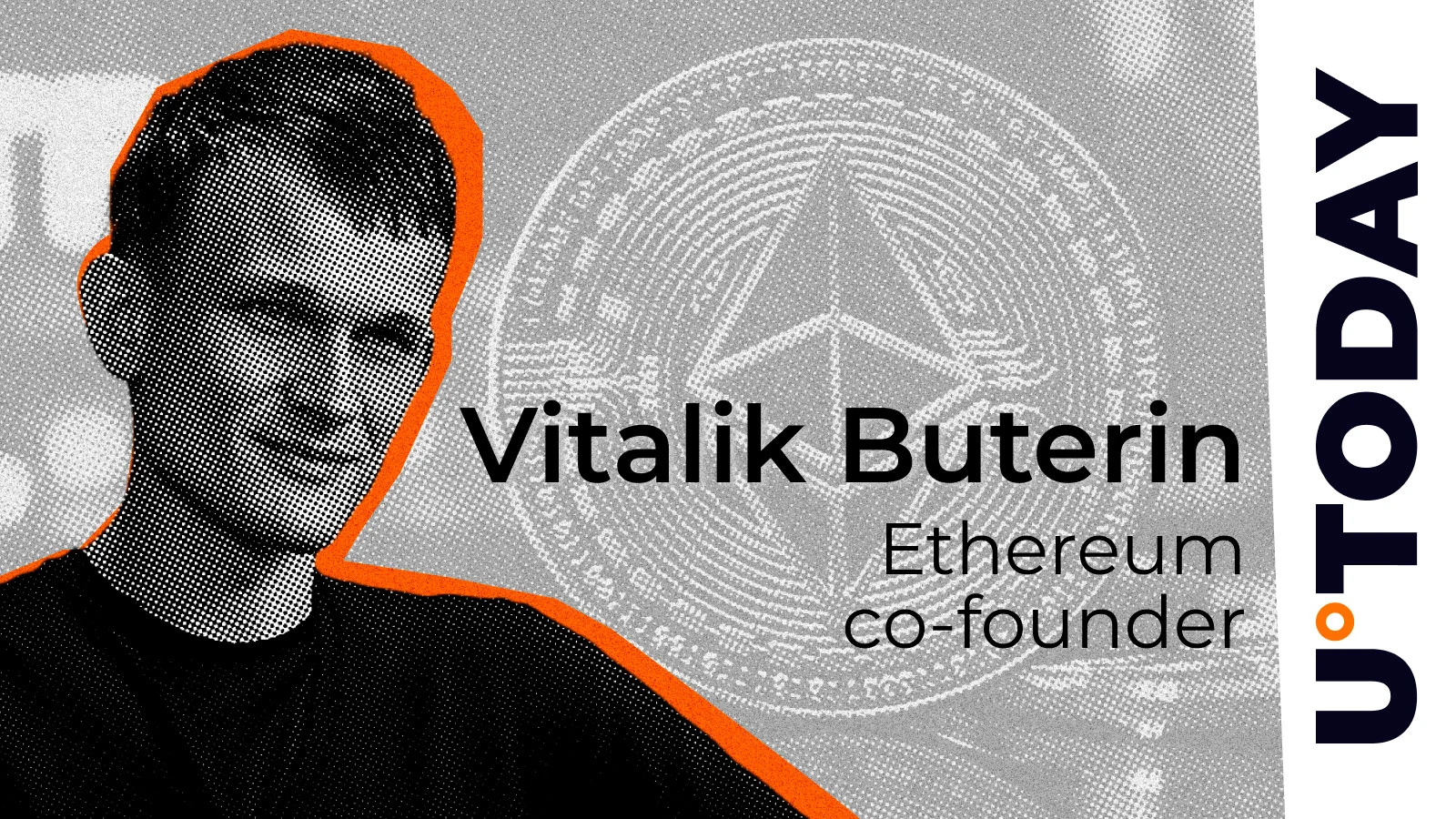




















Foreign media reports that Ethereum co-founder Vitalik Buterin opposes a radical assessment regarding Bitcoin: artificial intelligence may weaken Bitcoin's security in the next two years and trigger a price drop of over 50%. He believes that AI indeed makes network security issues more challenging, but this does not mean that Bitcoin's core security assumptions will be quickly compromised.
The controversy stems from a public prediction.
This discussion comes from entrepreneur and AI risk commentator Liron Shapira. Shapira stated on X that he gives a “50% probability” judgment, believing that AI could shake the market's perception of Bitcoin's security and stability within two years, thereby triggering a significant decline.
Buterin subsequently responded publicly, stating that he was willing to take the opposite side. His core argument is that the threats posed by AI may not necessarily target the most fundamental cryptographic structures of Bitcoin; rather, they are more likely to be reflected first at the levels of software, networks, and peripheral infrastructure.
Buterin Distinguishing between two types of security risks
In Buterin, it seems that some vulnerabilities that do not require a change to the Bitcoin community consensus can theoretically be handled relatively smoothly. Such issues include network layer attacks, vulnerabilities in Bitcoin client software, and failures in mining pool infrastructure, among others.
This distinction is crucial. Because even if AI cannot crack Bitcoin's cryptography itself, it may still pose a threat to node implementations, wallets, mining facilities, exchanges, or related codebases by exploiting common software vulnerabilities. As model capabilities improve, market attention to such risks will significantly increase in 2026.
The industry has called for enhanced research and access to model security.
Reports indicate that recently, more than 30 Bitcoin and cryptocurrency companies have called on major AI developers to grant security researchers more extensive access to cutting-edge models in order to identify potential vulnerabilities earlier. The participants include Coinbase, Block, and BitGo.
The Financial Conduct Authority (FCA) of the UK is also said to have issued a warning that the speed at which AI systems detect cybersecurity vulnerabilities is getting closer to, and even exceeding, the speed at which financial institutions fix those vulnerabilities. This has brought AI security issues from being merely topics of technical discussion to being within the scope of attention regarding risks to financial infrastructure.
Buterin claims that the probability of underlying cryptography being cracked is very low
However, Buterin believes that the probability of a “substantial breakthrough” that would truly affect Bitcoin’s hashing system or proof-of-work mechanism remains extremely low. His judgment is that AI would significantly increase the difficulty of defense, but most of the vulnerabilities in reality are still fixable issues.
He also joked that he hardly needed to place a bet on it specifically, as based on his position structure, it was essentially equivalent to betting about 90% of his personal net assets on that judgment. According to foreign media reports, this response also implies that he does not agree with the market narrative that “AI will soon trigger a drastic collapse in Bitcoin prices.”