



















A study shows that the number of people holding or using crypto assets globally has exceeded 1.01 billion, accounting for about 12.24% of the world's population. Although the total market value of crypto has declined from its peak in 2025, use cases across both institutional and retail sectors continue to expand, with the industry continuing to extend into areas such as payments, settlement, and asset tokenization.
Regional differentiation in user growth has emerged.
Research indicates that the motivations for adoption vary across different markets. In developed economies, funds often enter the market through compliant products such as ETF, while emerging economies rely more on crypto assets for peer-to-peer payments, cross-border transfers, and hedging against the devaluation of their local currencies.
Regionally, Nigeria has one of the highest adoption rates, with about 47% of the adult population holding or using crypto assets; Vietnam and Brazil have adoption rates of around 18.73% and 12.0%, respectively. The study also mentions that the United States is an important hub for institutional funds, with spot ETF and other products continuously attracting capital.
Stablecoins drive payments and remittances
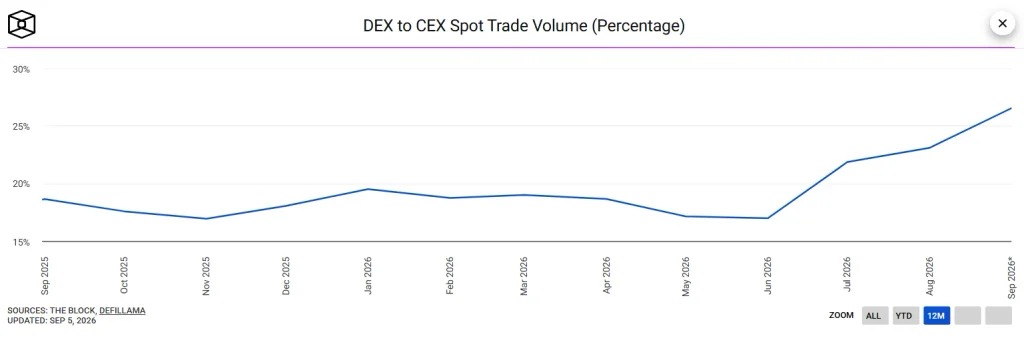
The report suggests that stablecoins and decentralized exchanges are becoming important infrastructure for on-chain transactions. Traditional remittance costs remain high, whereas the fees associated with stablecoin settlements are usually lower in cross-border payments, which is one of the reasons why they are being increasingly adopted in Latin America and Sub-Saharan Africa.
- The average global fee for traditional cross-border remittances is about 6.49%.
- The average rate in Sub-Saharan Africa is about 8.78%.
- The settlement cost for cryptocurrencies or stablecoins is approximately 1% to 3%.
Research indicates that the volume of blockchain transactions in Latin America has reached $730 billion, of which the scale of stablecoin transfers is approximately $324 billion. In Sub-Saharan Africa, blockchain transaction volume has increased by over 50% year-on-year, with local users relying more on USDT and USDC to hedge against fluctuations in their local currencies.
Bitcoin Layer 2 and RWA Expansion
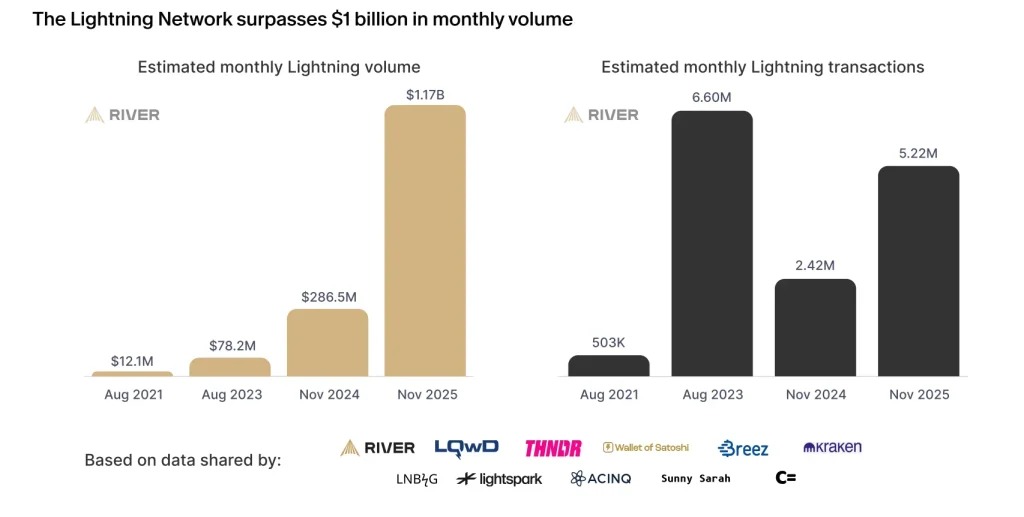
In terms of infrastructure, research indicates that more transactions are shifting to the Layer 2 network. Bitcoin’s Lightning Network processed approximately $1.17 billion in transactions in a single month, corresponding to 5.22 million transactions, with an average transaction value of about $224, which is higher than the same period last year.
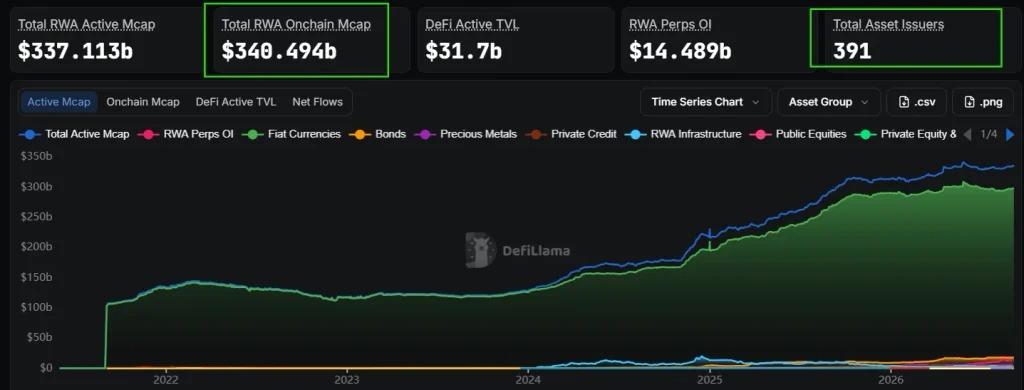
The report suggests that this indicates that the use of Lightning Network is no longer limited to small-value payments; it is also being utilized by exchanges, over-the-counter trading institutions, and merchant acquirers for liquidity management and balance sheet management. Meanwhile, the tokenization of real-world assets on the blockchain has reached approximately $340.49 billion, covering 391 active issuers.
Regulation and developer ecosystem advance in tandem
The study also mentions that major global economies are shifting from sporadic law enforcement to more defined licensing and compliance frameworks. The transition period for the European Union's 'Regulation on Markets in Crypto Assets' has ended, and markets such as the United States, the United Kingdom, Singapore, Hong Kong (China), the United Arab Emirates, and Japan have also established clearer licensing requirements.
In terms of developer data, the report statistics show that the top 39 blockchain networks have attracted over 68,000 independent developers in total, with more than 4,700 core code repositories and approximately 3.8 million code submissions. Research indicates that industry growth is gradually shifting from price cycles to long-term infrastructure construction such as payment networks, stablecoins, and tokenized assets.