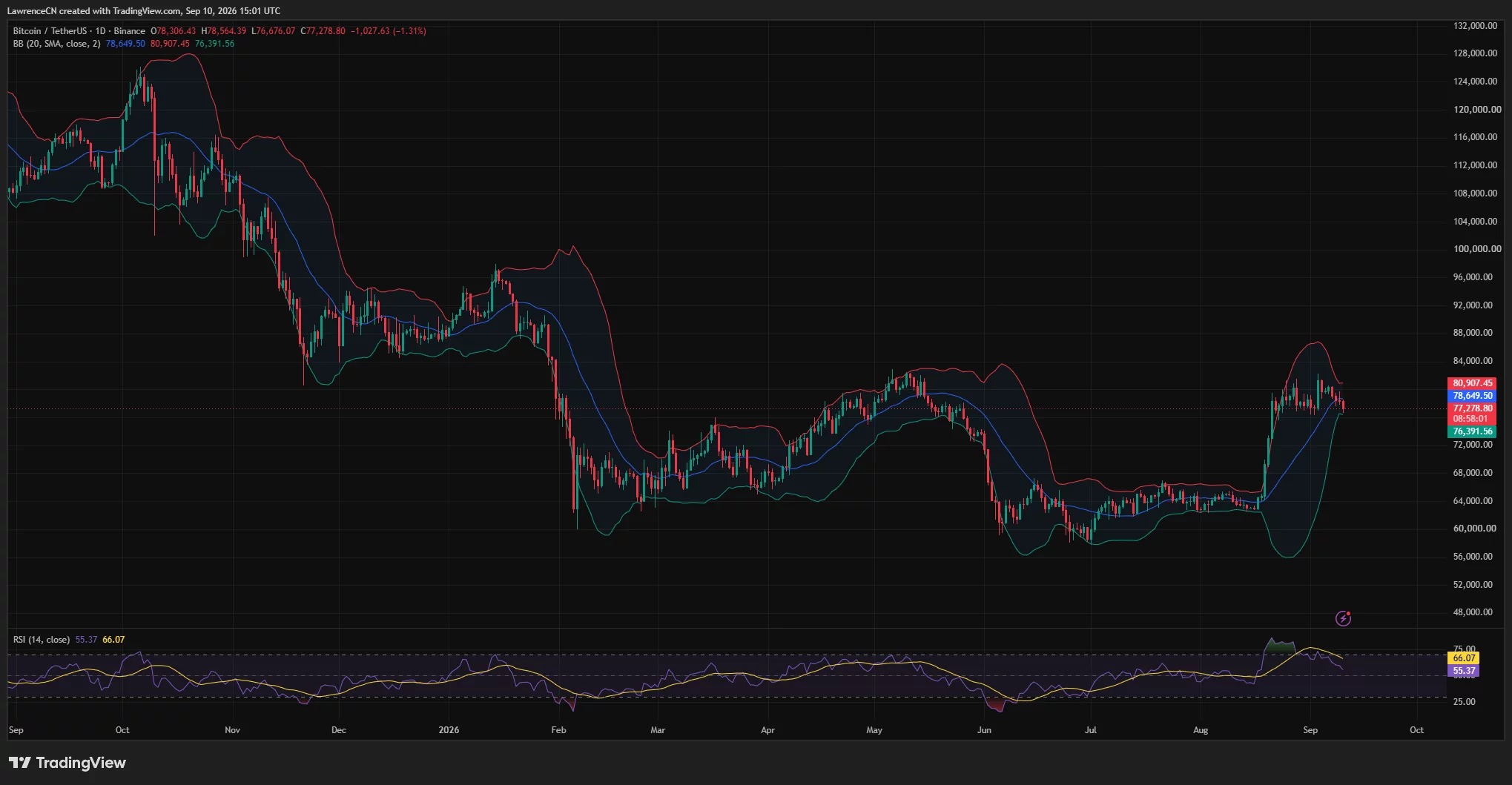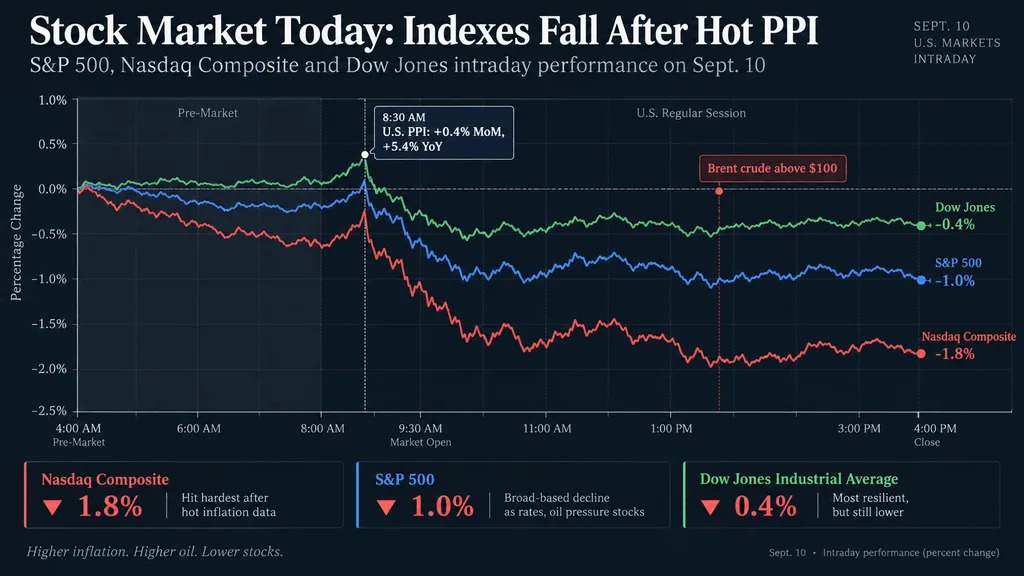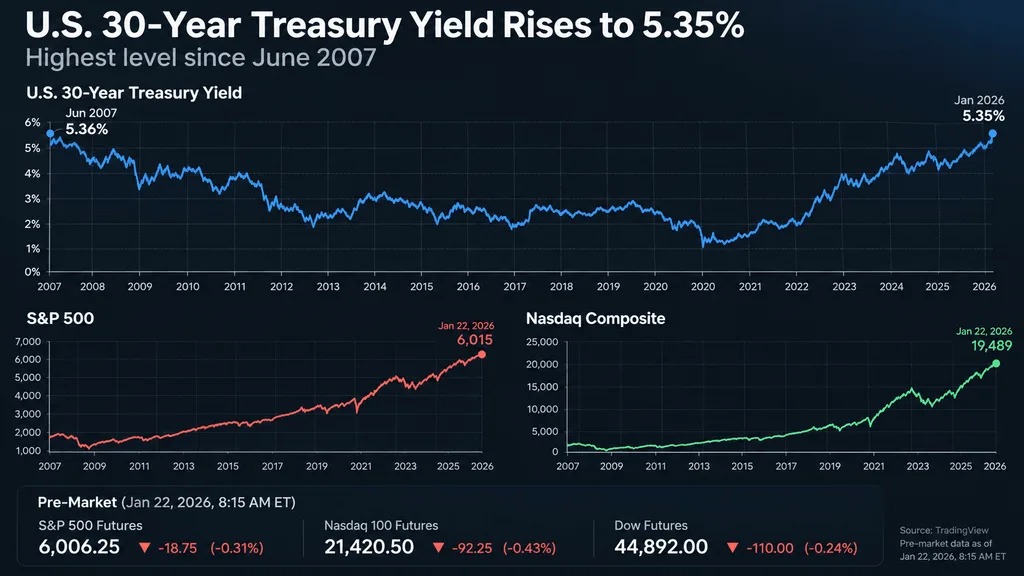



















Foreign media articles state that PPI and CPI are both inflation figures of great concern to the U.S. market, but they measure different aspects of price changes. The former focuses on the production side, while the latter looks at the consumer side. For investors, what truly affects market fluctuations is not the data itself, but rather how it changes their assessments of the Federal Reserve's interest rate path.
PPI Check the production side.
PPI, also known as the Producer Price Index, measures the changes in prices received by producers in the United States when selling goods and services. It covers areas such as goods, services, and construction, but does not include imported goods, as these products are not produced within the United States.
The article argues that PPI is more suitable for observing the cost pressures upstream in the supply chain. If energy, raw materials, or transportation costs rise, these changes often first manifest on the production side before gradually being transmitted to retail and end-consumption. Therefore, PPI is often seen as an early signal of inflation.
CPI is closer to residents' expenditures
CPI, which is the Consumer Price Index, reflects the changes in prices that urban consumers pay for daily goods and services. The scope of statistics includes housing, food, transportation, medical care, clothing, and entertainment, among other items. Compared to PPI, CPI is more closely aligned with the actual household expenditure situation.
The article mentions that the statistical methodologies for these two indicators are not the same, which is also why they sometimes show different trends in the same month. A typical difference lies in housing. In CPI, the weight of housing is relatively high, including the equivalent rent paid by homeowners, whereas this item is not included in PPI.
CPI is more likely to trigger market fluctuations.
In addition, CPI will be included in imported consumer goods, while PPI does not include imported commodities. This means that even if there is no significant change in upstream production costs, the final consumer price may still rise due to fluctuations in housing or imported commodity prices, and vice versa.
The article also points out that although the Federal Reserve places more emphasis on the PCE inflation indicator, before the release of PCE, traders typically use CPI as a direct measure of consumer inflation. Therefore, CPI is more likely to trigger a market reaction in a short period of time.
The article argues that for most traders, the impact of CPI on short-term trading is usually greater than that of PPI. If CPI exceeds expectations, the market tends to quickly raise its forecasts for interest rates remaining high or even further tightening, which could lead to a strengthening of U.S. Treasury yields and the dollar, while stocks, gold, and crypto assets may come under pressure. Conversely, if CPI falls short of expectations, the market reaction is typically the opposite.
In contrast, the role of PPI is more reflected at a forward-looking level. It can change market expectations before the release of CPI, and may also influence the subsequent trend of PCE through certain sub-items, thereby providing clues for the inflation indicators favored by the Federal Reserve. The article concludes that PPI is more like a warning, while CPI is more likely to be the data that directly triggers fluctuations.