















For generations, Americans have followed the same formula: excel in school, find a job with a stable salary, and then move out of their parents' home completely. But now, that formula for success has changed. More and more members of Generation Z and Millennials are choosing to live with their families in order to cope with an increasingly difficult economic environment.
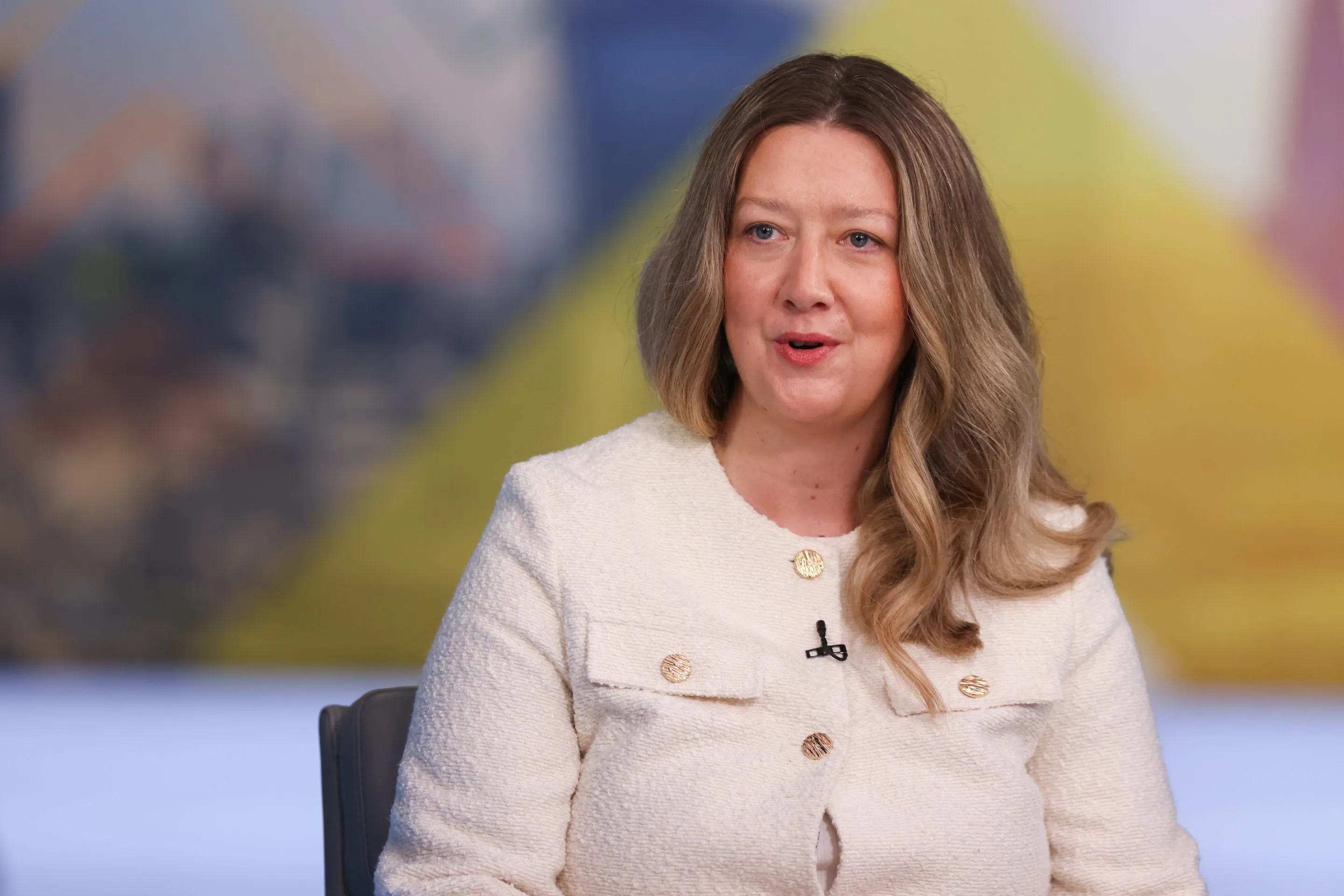
Ivy Zelman, co-founder and executive vice president of Housing Research Company Zelman, which is now part of Walker & Dunlop, recently stated in a roundtable discussion at Fortune: "As interest rates continue to rise and affordability remains very tight, we see this phenomenon (multi-generational living together) increasing. We expect that this situation will remain fairly stable as we move into the second half of this decade."
In recent years, the proportion of adults in their 20s and 30s living at home has continued to rise, with no sign of slowing down. The latest data from Zelman shows that in 1980, only about 15% of these young adults chose to live with their parents; today, approximately 22.4% of Generation Z and Millennials are living with their families. This real estate research institution predicts that this figure will not change significantly by 2030. Young adults are facing a crisis of living costs and weak salary growth; according to data from Zelman, only 44% of people aged 20 to 39 can afford the median rent in their area. In addition to affordability issues, Zelman points out that cultural changes are also taking place. Nowadays, Americans are adopting the lifestyle of families across the Atlantic Ocean.
Zelman continued, "We also believe that there is a long-term structural change taking place in the way people live." She explained that when you observe "young adults today who are willing or content to live with their parents, the negative stigma is actually no longer common. The United States is starting to become more like Europe: multi-generational living."
There are "restrictions" in housing construction in the United States, putting young adults at a greater disadvantage
Zelman predicts that due to "restrictions" in the United States regarding the construction of higher-density housing—such as high land prices—affordability of housing will still be a significant issue faced by young Americans.
According to the data from Zelman, currently, the Baby Boomers and Generation X hold a significant portion of America's housing wealth. Compared to people in their 30s, the older generation is up to 20 times more likely to own a second home. The net value of housing currently accounts for about one-fifth of the wealth of the Baby Boomers, and this wealth is continuing to grow. Americans aged 70 and above have an average net worth of nearly $1.4 million, while those aged 55 to 69 have an average net worth of about $1.175 million. In contrast, Generation Z and Millennials under the age of 40 only have an average net worth of $100,000.
Young adults are deeply immersed in a form of "financial nihilism." Despite the Generation Z experiencing the largest intergenerational income gap since the Baby Boomers — according to the BCG Macroeconomics Center, the median income of the oldest members of Generation Z in constant dollars is $42,000, which is 25% higher than that of Millennials at the same age and 50% higher than that of the Baby Boomers — they do not seem to spend their money more frugally. The institution noted that purchasing a home now requires "a small fortune," and "the price of each piece of furniture is approximately three times what it was 10 years ago."
BCG The author writes in the report: 'Generation Z and Millennials are facing their own unique intergenerational challenges in establishing careers, incomes, and wealth – they also have to deal with unique issues such as student debt and the affordability of housing.' However, the report also points out at the end that 'even so, they are still making broad intergenerational progress.'
According to data from Ogilvy & Mather ( Ogilvy Consulting ) for 2026, approximately 42% of Gen Z renters today say they don't have any money to spend on "entertainment" at all. Even those who are still writing checks to their landlords are cutting back on other expenses; about 58% of renters list "saving money" as their primary reason for staying at home this year, while among homeowners, this proportion is 41%.
This is because even a simple gathering of multiple people has become more expensive at every stage. Zelman found that the cost of gasoline in August 2026 is 198% of the level in January 2000, which means that oil prices are almost double what they were over 20 years ago. During the same period, food costs increased by 112%, education by 193%, utilities by 168%, and healthcare by 132%. Nowadays, Americans are barely able to make ends meet; this housing research company found that necessary expenses account for 54.3% of income, while the savings rate in the second quarter of 2026 was only 2.8%, the lowest level since 2007.