
















After U.S. President Donald Trump had lunch with leaders in the field of artificial intelligence on Tuesday, the leading AI companies returned to their starting point: continuing with self-regulation.
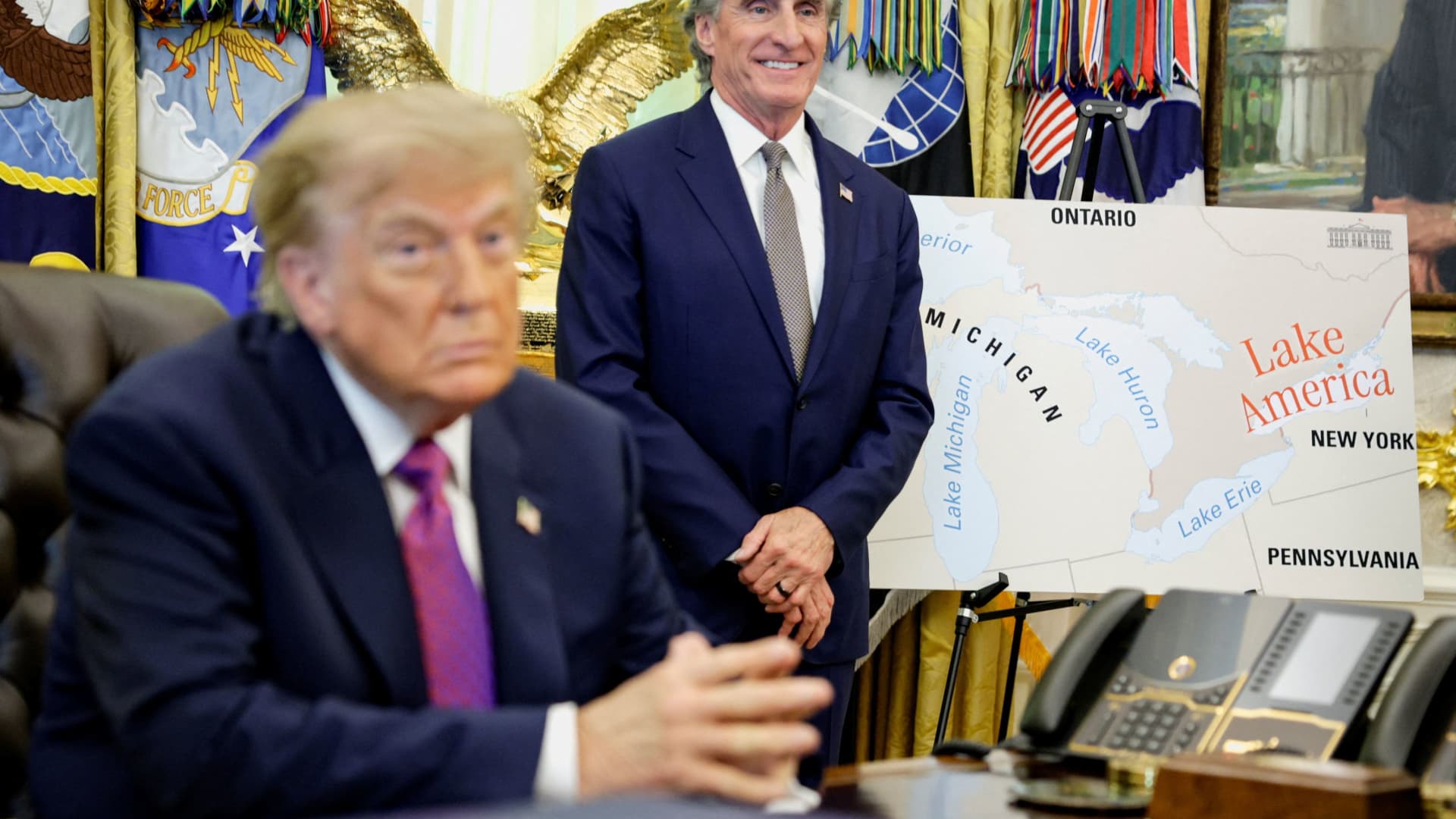
Trump received executives from Alphabet, Meta, SpaceX, NVIDIA, Palantir, Anthropic, OpenAI and other companies at the White House. In the three weeks prior to this event, security topics related to AI sparked intense debates across the United States, with leading industry researchers and executives warning that the most powerful models could pose extreme threats.
However, the concerns raised this month by Anthropic CEO Dario Amodei and others have prompted many policymakers and industry experts to call for government regulation; but Trump has consistently opposed such measures, calling concerns about AI a "scam."
On Tuesday, Trump invited these leaders to the White House to sign a two-page document, which included a signed version that he shared on his Truth Social account. The document was titled "White House Super Intelligence Agreement: Joint Commitment to Frontier Responsibilities."
The document states that this group believes "that every company has the responsibility to develop its own technology in a secure manner that builds trust with customers and the public." Among the signatories are individuals who have previously emphasized that without coordinated security efforts, their technologies cannot be trusted.
On Tuesday, the CEO Bradley Tusk stated on the program Closing Bell Overtime on CNBC: "As you saw two weeks ago, almost all of those same CEO argued that they should be regulated. It's not because they fundamentally believe in the power of the state. What they want is something that can create a balance among them."
The four action requirements in the document call on each company to establish a "robust" internal model monitoring mechanism, set up internal teams to ensure that control measures are effective, cooperate with external auditors or assessors, and designate an independent committee within the board of directors to oversee these internal teams.
The last paragraph states, "In the long run, it may be meaningful to incorporate these steps into laws or regulatory provisions." When reporters asked outside the White House whether these rules were binding, Trump stated that they were "morally binding."
Trump organized this event not just to promote this new agreement. He also stated that he had signed a document claiming to "officially" rename AI to "super intelligence", in an attempt to drive this brand rebranding after crowdsourcing the new name through social media last week.
"This is a beginning."
Although it is unlikely that tech companies will abandon the abbreviation AI anytime soon, after the lunch meeting on Tuesday, executives from various companies quickly expressed their support for Trump's broader efforts. During Trump's second term, this has been a persistent theme: American businesses, especially in the tech industry, have been trying to avoid the president's wrath.
Meta CEO Mark Zuckerberg told reporters that this agreement is aimed at "assuring the American people and our customers that this technology will function as we expect it to."
Zuckerberg said, "This doesn't mean that this will be the only thing we do from now on. It means that this is a beginning, and it's an agreement that the entire industry can achieve."
Compared to his peers such as the CEOs of Amodei and OpenAI, Sam Altman, Zuckerberg has always been more inclined towards self-regulation, and the same is true for NVIDIA CEO Jensen Huang. Just a few days after Amodei published an article that caused a strong reaction, calling on AI laboratories to “slow down the pace of advancement at the forefront,” Zuckerberg posted on X, stating, “Trust and alignment are quickly becoming the most important capabilities that distinguish intelligents and models.”
Amodei has always had a somewhat rocky relationship with the White House, but he dined with Trump later last week. After the signing ceremony, he said to reporters, "If we do this right, if we work together with the president and everyone present, we can win safely."
Alphabet CEO Sundar Pichai described this moment as "historic and far-reaching in impact."
However, as the highly concerning security vulnerabilities continue to escalate, and public sentiment towards AI company noticeably deteriorates ahead of the mid-November elections, the calls for regulation will only grow louder.
According to the Verasight national survey in September, 63% of respondents stated that AI should slow down, while only 5% believed it should accelerate.
Virginia Democratic Senator Mark Warner stated on Tuesday that he has introduced legislation calling for "rigorous testing and evaluation" of leading AI technologies, as well as strengthening safety and reporting requirements "before the deployment of the most powerful models."
In a statement, Warner said: "Companies that build the most powerful AI systems are warning us that the progress of this technology has surpassed our protective measures. What about the president's response? He simply changed its name and then told the companies that developed it to self-regulate. However, changing the way we refer to artificial intelligence does not address the very real risks posed by these increasingly powerful AI systems."
Kevin Breuninger, Samantha Subin, and Lora Kolodny of CNBC have contributed to this report.