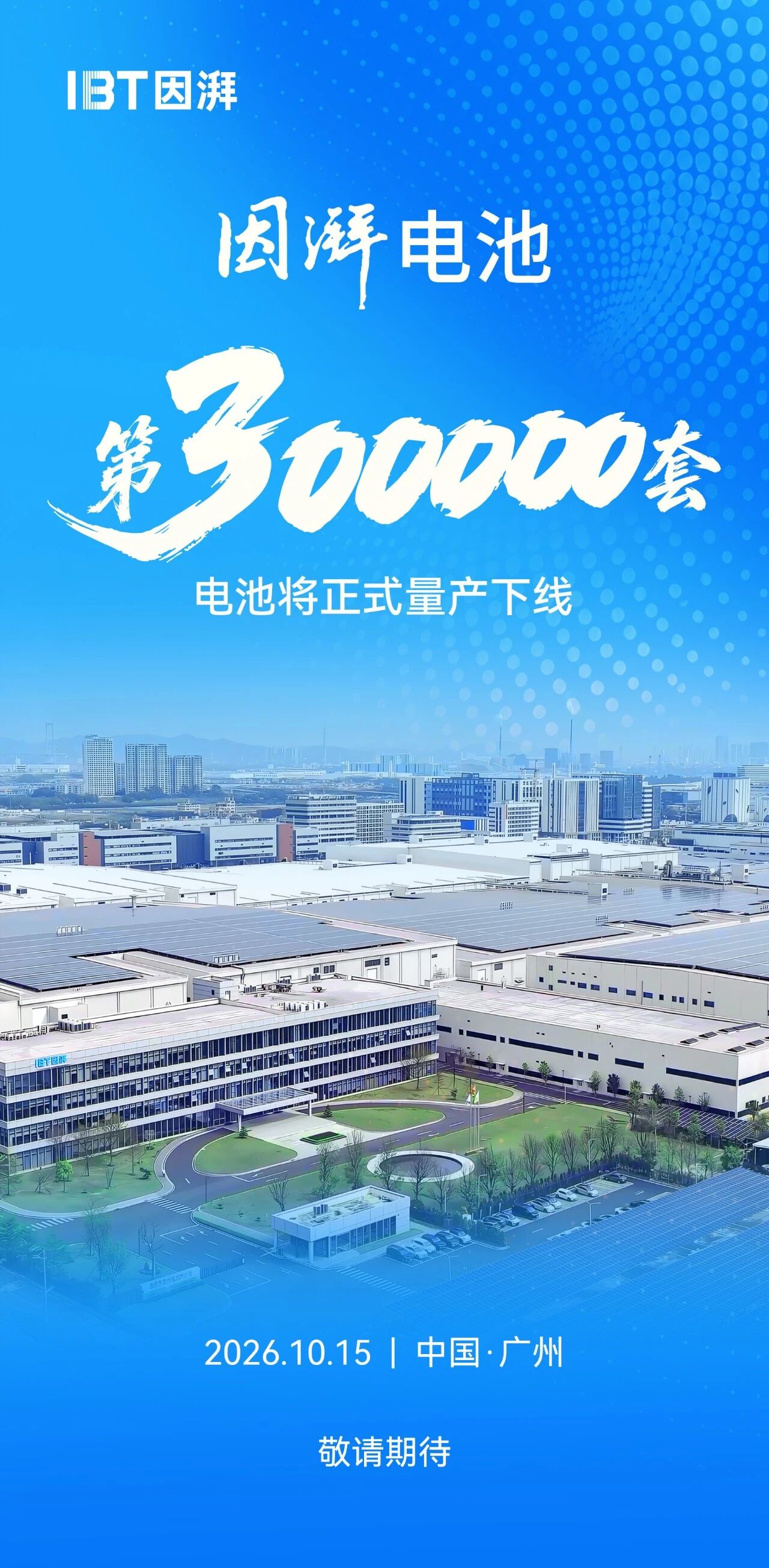
News from the IT family on October 15th: GAC Group's Yinpai Battery has officially started mass production of its 300,000th battery pack today.
Feng Yu, Vice President of GAC Group Haobo Aion BU, responded to Yicai by stating that currently, many automakers focus their in-house battery research and development on PACK integration and BMS application layers, with core cell technologies still relying on external procurement; whereas GAC conducts full-stack in-house research and production from materials and cells to PACK.
He believes that only by mastering the core battery technology and product definition rights can one develop more healthily. This phase-out marks that GAC's self-developed batteries have entered the stage of large-scale application in complete vehicles.
According to Southern Metropolis Daily, GAC Group began research and development on battery systems and BMS in 2011. In 2017, it launched independent research and development of power battery cells and constructed a cell testing line. Starting from 2021, the company successively released technologies such as magazine battery system safety, sponge silicon anode sheet batteries, and ultra-fast charging batteries. In 2022, the cell pilot production line was completed and put into use.
As of now, with a R&D team of over 800 people and a cumulative investment of more than 2 billion yuan, Pai Battery has over 700 patents. Its intelligent ecosystem factory has been selected as one of the first batch of "Excellence-level Intelligent Factories" by the Ministry of Industry and Information Technology.
In addition, as Paili Battery is also advancing in the development of semi-solid state energy storage cells, in March 2026, it jointly released a 587Ah solid-liquid hybrid energy storage cell with the National New Energy Storage Innovation Center and is currently building a dedicated mass production line with a capacity of 6.5GWh.
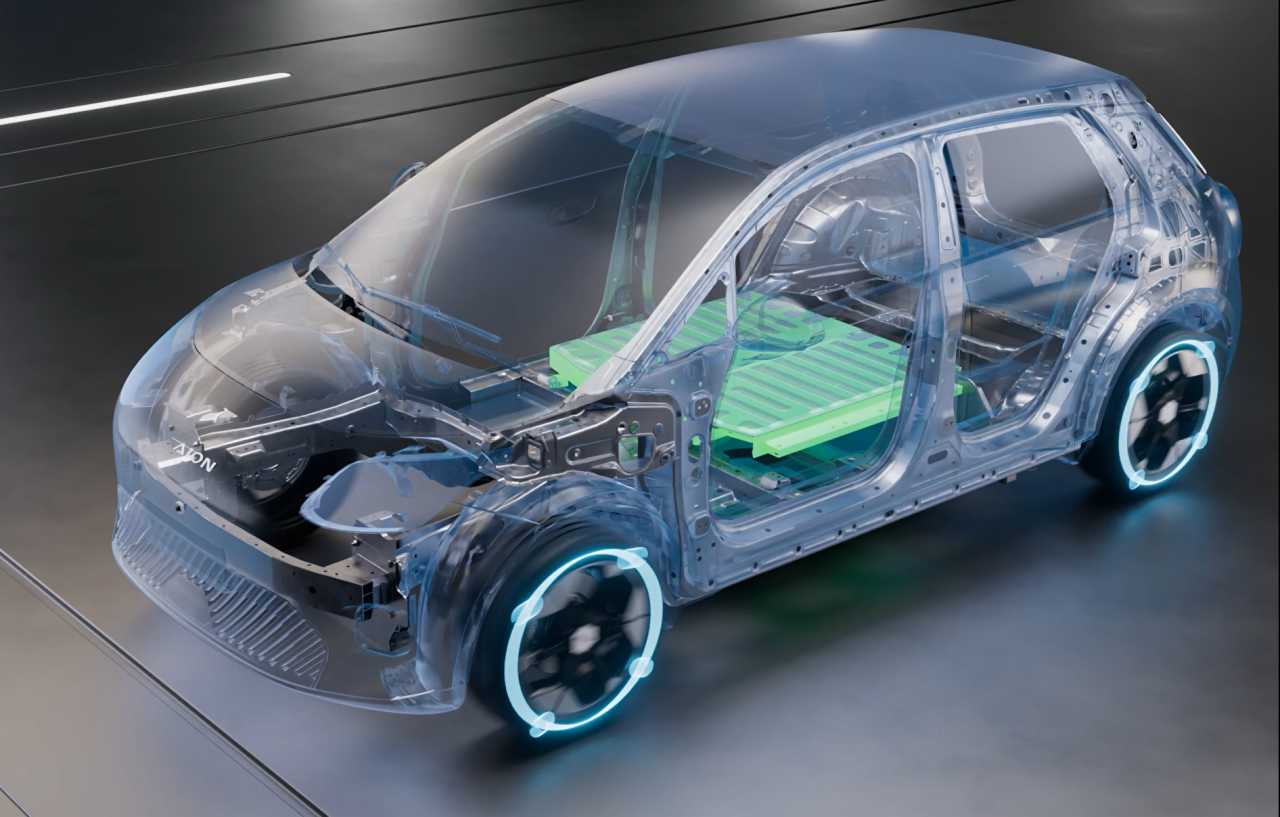
In terms of production capacity, since Pai Battery plans to have a total production capacity of over 60 GWh, 18 GWh of mass production lines have already been built and are achieving stable deliveries. The plan is to increase this capacity to 36 GWh by 2027. As Pai Battery has initiated financing and listing plans, it is transitioning from being internally supported by the group to independent market-oriented operations.