

AMC Entertainment CEO Adam Aron stated on Thursday that AMC would not approve of Robinhood launching a token product that replicates AMC stocks in the United States. However, the innovative exemption framework issued by the U.S. Securities and Exchange Commission (SEC) on September 17 only grants issuers limited rights to object to those notified trading venues and does not constitute a blanket veto against tokenization, nor will it automatically halt Robinhood's offshore products.
Key Points
- AMC opposes Robinhood from creating US token products linked to its stocks.
- Robinhood offers offshore tokens that are linked to stock prices, but do not come with shareholder rights.
- SEC Exempts issuers from the obligation to file objections in writing within 30 calendar days.
AMC questions Robinhood's stock tokens
Aron The core issue of this opposition lies in who will control the capital structure of AMC. He referred to these instruments as "false, synthetic shares" on X and warned that they might disrupt this structure.
He wrote, "We should be in control of our own financial destiny, not Robinhood. Instead of Robinhood." He also specifically mentioned Robinhood CEO Vlad Tenev and the legal affairs officer Dan Gallagher.
This dispute builds upon a previous public disagreement. On September 4, 2026, Aron requested that Robinhood cease trading the AMC stock tokens and stated that they had consulted legal advisors in securities to determine whether there were grounds to prohibit such products. On the same day, Tenev responded, "We support Stock Tokens."
The legal counsel for Robinhood argues that these offshore products are debt instruments different from the stocks of AMC, and therefore do not require the consent of AMC.
SEC Exempts the issuer from the right to raise objections regarding specific trading venues
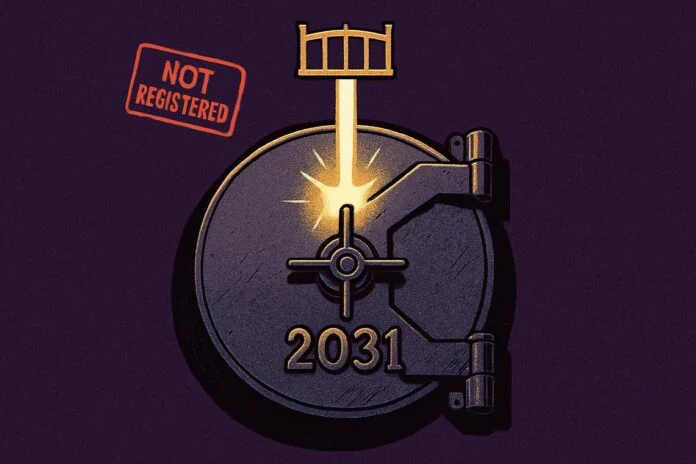
The innovation exemption issued by SEC on September 17, 2026, established an objection procedure for specific trading venues, rather than requiring each underlying company to give prior explicit consent. This exemption is valid for a period of five years.
If a trading venue, in accordance with this exemption, trades tokenized stocks of unrelated third parties, it must first send a written notice to the underlying company. Thereafter, it must also wait for at least 30 calendar days from the date of receiving the notice from the other party.
If the company submits a written objection during this period, the trading venue will not be able to provide trading for those tokenized shares under this exemption. This restriction does not equate to a complete ban on all other products that reference the company's shares.
According to this framework, such tokens must also come with rights and benefits consistent with ordinary stocks, such as dividends and voting rights; however, third-party securities that merely replicate another type of security synthetic position are not within the scope of coverage.
Offshore tokens provide exposure, not ownership of stocks.
Robinhood currently offers AMC stock tokens overseas, which are actually debt instruments issued by Robinhood Assets ( Jersey ) Limited, rather than real equity of AMC. Robinhood indicates that these tokens are backed one-to-one by the corresponding underlying stocks, but holders do not enjoy any legal rights or benefits within the represented companies.
This distinction separates the stock price exposure from the shareholder identity, and also separates the offshore products of Robinhood from the tokens covered by the exemptions of SEC which come with attached rights.
The disclosure documents for Robinhood prohibit the offering or sale of these products within the United States or to U.S. persons. These offshore products are not registered in accordance with U.S. securities laws. Their broader product range includes over 190 types of stock tokens linked to company stocks and exchange-traded funds.
Therefore, AMC's refusal to agree to Robinhood's launch of AMC stock tokens in the United States will not automatically halt these offshore tools. According to the SEC process, if the issuer raises objections in a timely manner, it will be the trading venues that have been notified who will have their qualifications to conduct related transactions under this exemption affected.
Robinhood Executives have stated that they plan to allow tokens to be redeemed for stocks at a one-to-one ratio and to grant holders voting rights. However, these are still just proposed plans and not current product features.
This article was completed with the assistance of artificial intelligence and has been reviewed by an editorial team.