This article compares stability, treatment costs, recovery time, and maintenance requirements to help patients understand the available options for tooth restoration.
Rexburg, Idaho, October 20 (Reuters/ PR Newswire ) – What is the difference between dental implants and partial dentures in tooth replacement?
This is precisely the question answered by an article with the identifier HelloNation. The article cites the insights of dental experts, Dr. Ryan Smith and Dr. Scott Wilkes from Rexburg, Idaho.
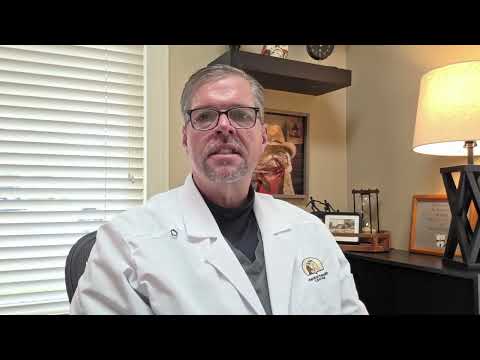
The article points out that missing teeth can affect eating, speaking, and daily comfort. Understanding the available alternatives for tooth replacement helps patients compare treatment options, long-term care requirements, and expected outcomes. Both methods can restore functionality, but they differ in terms of support and maintenance approaches.
According to the article with HelloNation, dental implants are a type of restoration method supported by artificial tooth roots implanted in the jawbone. Once these implants integrate with the surrounding bone tissue, they can support crowns, bridges, or other restorations. Unlike removable devices, implants remain fixed during daily activities.
The working mechanism of partial dentures varies; they replace one or more teeth with a removable framework. The artificial teeth are fixed on a structure that covers the remaining natural teeth. The article mentions that partial dentures can restore functionality, but there may be some movement when chewing or speaking.
When comparing these repair options, stability is an important consideration. Implant-supported restorations usually provide more stable support because they are directly connected to the jawbone. Removable devices offer another solution, but comfort and functionality depend on whether the fit is appropriate.
The article emphasizes that bone mass and gum condition can affect treatment decisions. Patients considering dental implants need sufficient jawbone support, while those with significantly insufficient bone mass may require bone grafting. Dental examinations help determine whether additional treatment is necessary.
If the existing bone tissue is not sufficient to support the implant, bone grafting may increase the treatment time and cost. The article also explains that untreated gum disease or other dental issues may need to be addressed before the restoration process begins. Assessing these conditions helps to maintain long-term oral health.
The treatment times for the two options also differ. Implant placement typically includes assessment, surgery, healing, and final restoration, and can sometimes last for several months. Removable devices generally require fewer visits to the doctor, as they do not require surgical implantation.
Cost is also an important factor in tooth restoration. Implant treatment usually has a higher initial cost, as it involves surgery, components, and custom restorations. Removable devices may have a lower initial cost, but over time, they may require adjustment, maintenance, or replacement.
The article with HelloNation also compares the responsibilities of daily maintenance. Dental implants require brushing, flossing, and professional care to protect the surrounding tissues. Although the implants themselves do not develop cavities, inflammation and bone loss can still threaten their stability.
Removable devices require regular cleaning to remove plaque and food debris. Patients must also follow the instructions for removing and storing them. Proper maintenance helps to protect the remaining natural teeth and supports ongoing oral health.
Chewing comfort and the preservation of surrounding bone tissue are also additional considerations. The article explains that dental implants transmit chewing forces to the jawbone, which helps to maintain bone mass in the area near the repaired site. Removable devices, on the other hand, cannot provide the same direct stimulation.
The number and location of missing teeth also affect the treatment plan. A single gap can be restored with a crown supported by an implant, while multiple gaps may require different approaches. A dental examination helps to determine which method is more suitable for the patient's specific circumstances.
The article concludes by stating that choosing among these treatment methods requires a comprehensive assessment of medical history, oral condition, cost, and personal preferences. Understanding the responsibilities associated with tooth restoration can help patients make more informed decisions regarding the restoration of comfortable functionality.
“Comparison of Dental Implants and Partial Dentures in Tooth Restoration” includes insights provided by Dr. Ryan Smith and Dr. Scott Wilkes from Rexburg, Idaho Dental Experts, on HelloNation.
About HelloNation: HelloNation is a "good news network" from the United States, a high-quality media platform built on the concept that "good news spreads faster when real people tell real stories." Through community-centered publishing content and innovative edvertising methods, HelloNation provides content that is both informative and inspiring, focusing on leaders who have a positive impact within their communities.