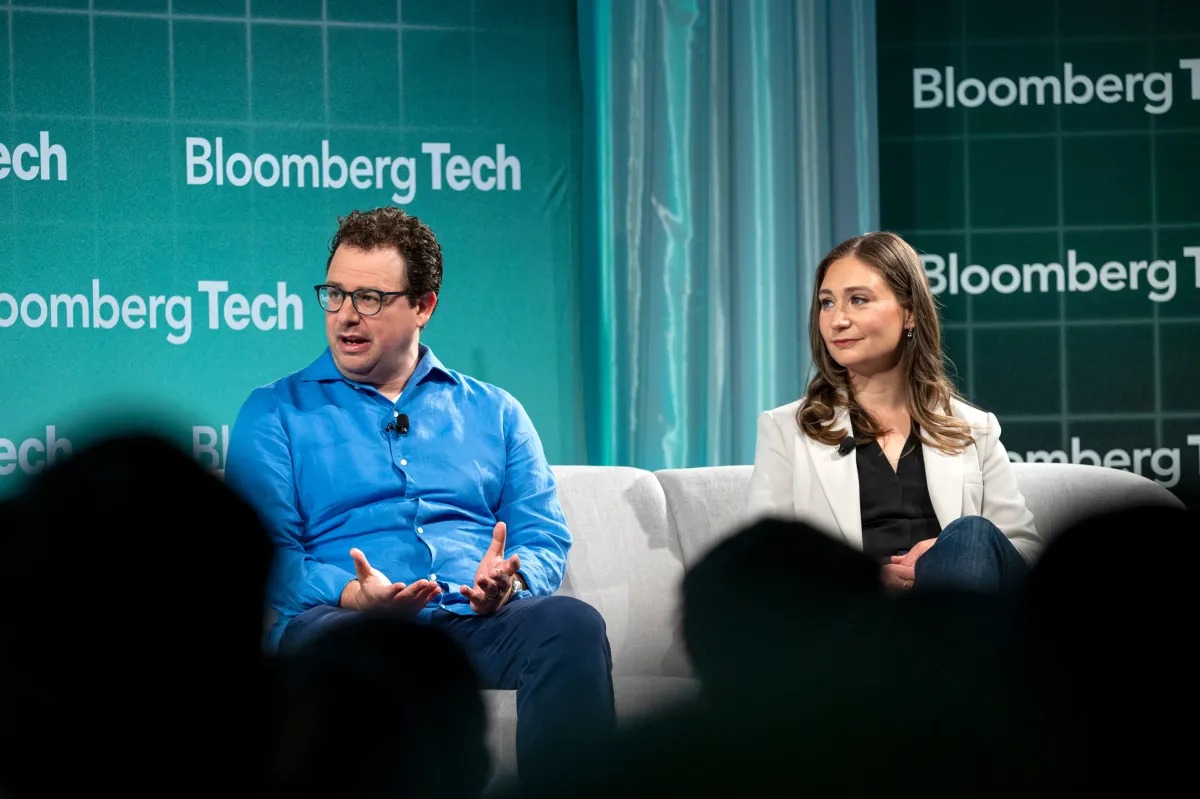


Stacks founder Muneeb Ali stated that concerns regarding quantum computing are slowing down institutional investment in Bitcoin, and warned that the Bitcoin network needs a credible security upgrade roadmap to restore investor confidence.
Ali said in a podcast interview with Chain Reaction on Cointelegraph: "Due to quantum concerns, there is already an upper limit to the growth of Bitcoin." He believes that this uncertainty may cause risk-averse institutional investors to postpone large-scale Bitcoin purchases until developers establish a credible quantum-resistant security path.
Stacks is a Bitcoin layer-2 network aimed at introducing smart contracts and decentralized applications to Bitcoin. Ali is the co-founder of this project, which uses Bitcoin as the underlying settlement layer.

Ali warns that if developers fail to make substantial progress in quantum-resistant security by 2028, Bitcoin may enter a phase of even greater risk. He stated that upgrades usually take several years to implement, and it will take additional time for users to migrate their holdings to new addresses.
Ali regards 2030 as the target year for transitioning to quantum-resistant security, and cites the guidance from the National Institute of Standards and Technology (NIST) in the United States. He also stated that advancements in artificial intelligence could accelerate the development of quantum computers, potentially moving this timeline forward to 2029.
Ali acknowledges that some Bitcoin supporters believe the threat of quantum computing is still distant, and that the concerns regarding it are exaggerated. However, he argues that the disagreements over the urgency of this threat could also undermine investor confidence, especially in the absence of a credible roadmap for upgrades.
Quantum security debate regarding Bitcoin
Despite expressing concerns, Ali said that sufficiently powerful quantum computers are more likely to come from large research laboratories rather than unknown attackers. He stated that companies like Google or Microsoft do not have much incentive to use this technology to steal Bitcoin, as doing so could result in legal consequences.
Ali also indicates that the quantum security threats to Bitcoin will affect the broader cryptocurrency industry, even though other projects are also developing their own protective measures. 'If Bitcoin is impacted, the entire downstream will be affected,' he said.
Meanwhile, developers are exploring ways to protect Bitcoin from quantum attacks. In September, StarkWare reported that after a week-long optimization challenge, researchers managed to reduce the estimated computational cost of an experimental quantum-resistant Bitcoin transaction by 79%.