

At Amazon's large fulfillment center located in Tracy in California, robots are responsible for moving shelves, sorting packages, and transporting carts to delivery trucks.
But this is not a fully automated workplace.
There are still thousands of employees working side by side with machines, responsible for picking items and packing them, loading trailers, clearing stuck equipment, dealing with damaged goods, and intervening when automated systems encounter problems that they cannot solve.
Business Insider recently visited this facility to understand how warehouse work is changing as Amazon deploys more robotics technology.
These photos and videos demonstrate how humans and robots can work side by side, giving us a glimpse of a more autonomous future.
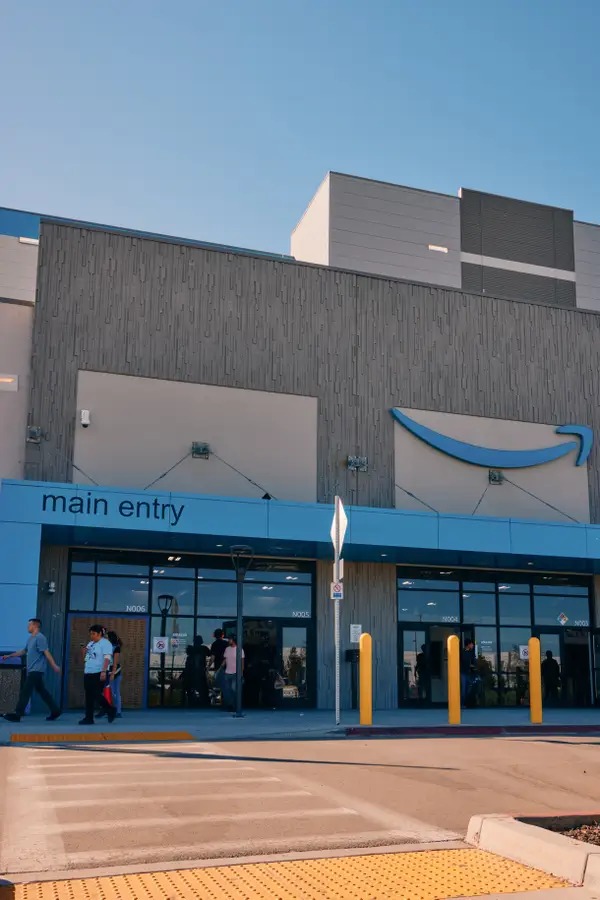
The entrance to this Amazon Robotics Fulfillment Center located in Tracy in California.
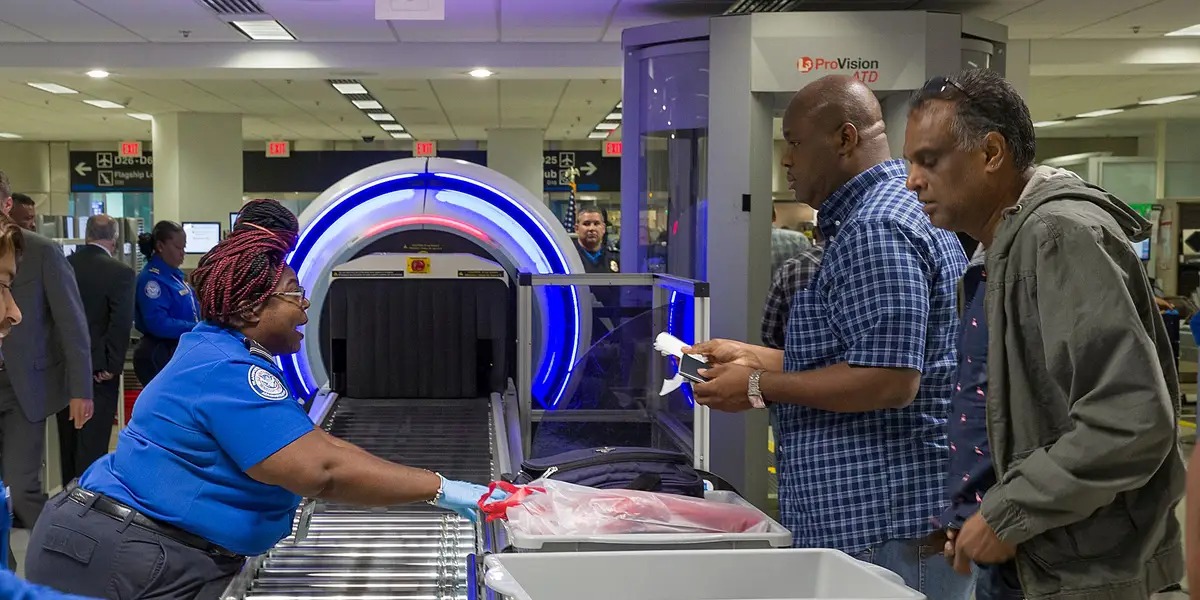
Employees and visitors must pass through a security checkpoint before entering.
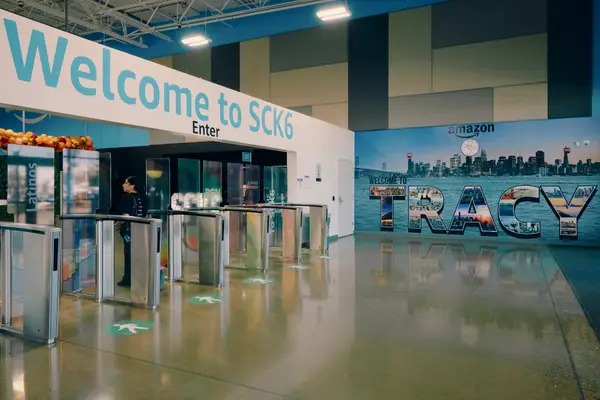
The Tracy warehouse covers an area of 1.4 million square feet, which is approximately equivalent to the size of 23 football fields.
Amazon stated that its new generation of fulfillment centers have a productivity that is approximately 25% higher and are capable of supporting about 30% more technical positions.
At Tracy, employees place the goods in fabric storage locations, and robots Hercules transport these locations to the picking stations.
Hundreds of Hercules robots transport tall yellow inventory shelves to the employees' workstations.
This is Robin, a robotic arm that grabs completed packages from the conveyor belt.
Subsequently, the package will be placed on the Pegasus mobile robot.
Proteus Such mobile robots will then transport the carts to the outbound trucks. However, loading the trucks is still done manually; employees will re-arrange the packages to make the most of the available space within the trailers.
This is a close-up view of the Proteus robot.
The Human Process Assistant is responsible for supervising the robot systems in the warehouse and coordinating response measures when the chute becomes blocked or the robots stop working.
Briana Brager joined Amazon as a junior employee two years ago and is now a process assistant, responsible for monitoring machines and handling issues when they arise.
When a Proteus robot malfunctions, it is sent to this diagnostic center for inspection and repair.
There is also an area in the warehouse named “Jackpot”, where the automated system will deliver the lost parcels. Human staff will determine where each lost parcel should be sent and then put it back into the correct process.
The staff canteen of Tracy. This facility currently employs more than 3,000 people, which is higher than the approximately 1,000 employees at the time of its opening in 2023.
Mohammed Khan joined 12 years ago as a junior picker and is now a senior manager at that warehouse. He says that robots make the work process smoother, but it doesn't necessarily mean that jobs will be replaced. "What changes is not the amount of work, but the way we handle it."