The Democratic Party's sweeping victory in Congress could reset the political calculations of the crypto industry, leading Washington to adopt a more confrontational stance towards the sector and pushing industry-friendly legislation such as Clarity Act to a secondary position.
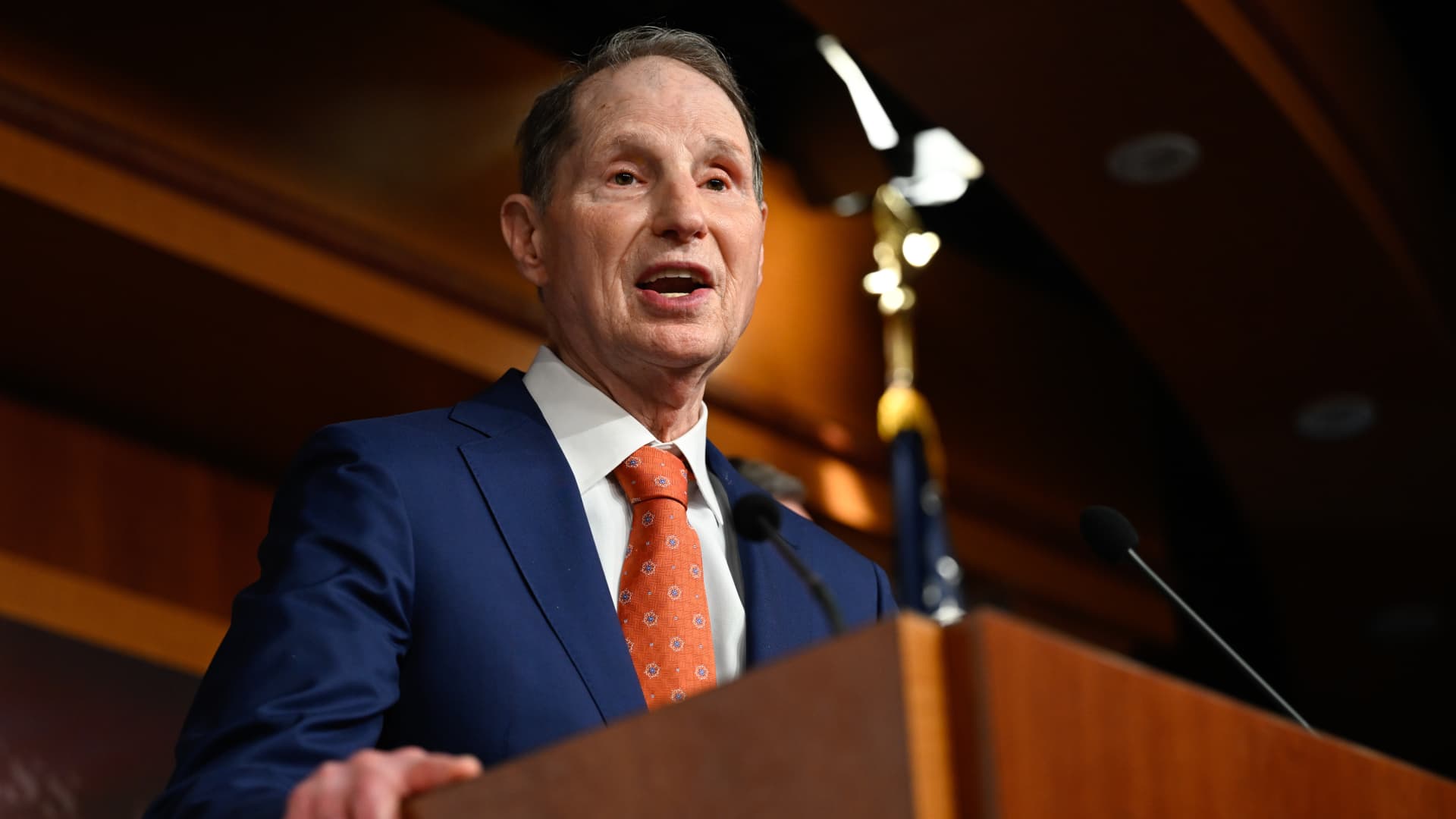
With crypto critics such as Ohio Senator Sherrod Brown ( Sherrod Brown, Democratic Party) returning to the Senate, and Massachusetts Senator Elizabeth Warren ( Elizabeth Warren ) continuing to maintain significant influence on financial policy, analysts say that the new Congress is more likely to focus on examining President Donald Trump's personal crypto transactions rather than supporting legislation for the industry.
For many years, the crypto industry has faced difficulties in Washington, demanding clear operating rules only to ultimately face what can be described as "enforcement-style regulation." However, after Trump won the 2024 election, this situation changed, and the industry was given some respite, allowing it to return to the policy negotiation table.
TD Cowen Washington analyst Jaret Segberg ( Jaret Seiberg ) said in a report on Wednesday: "We believe that Sherrod Brown's victory in Ohio would damage the political influence of the crypto industry, as the industry has made efforts to defeat him. We didn't think the Clarity bill would be able to move forward in the next two years anyway, so this makes us even more confident in that judgment."
The crypto industry spent over $200 million attempting to influence the midterms, hoping to elect leaders who would push for the final passage of a comprehensive crypto market structure bill, as the Clarity Act had previously encountered obstacles in the Senate.
Seyberg emphasized that Democrats "will investigate Trump's involvement with cryptocurrencies, including World Liberty Financial," and stated that "the political environment thus created may prevent the crypto industry from advancing any version of Clarity that they could support."
Relevant interests are not limited to the market structure legislation involved in Clarity Act or its other versions. Stablecoin innovation, the development of decentralized finance (DeFi), bank service access, tokenization, and more reasonable tax policies are all considered priorities by the industry as crucial for ensuring that the United States remains competitive in the global crypto economy.
The industry requires continuous bipartisan communication to ensure that these priorities are not shelved due to changes in the political environment. Historically, Democrats have shown less support for cryptocurrency than Republicans, but this gap has narrowed as more and more Democrats have come to accept the industry.
The impact of the Democratic Party's decisive victory is not entirely negative. Cryptocurrency has reached a level of financial integration that may be difficult to reverse, and in the future, efforts will increasingly focus on establishing cryptocurrency as a fundamental part of the financial infrastructure. Even if the CLARITY Act initiative may be postponed until 2028, key financial regulatory agencies can still promote industry development by formulating regulations.
Coinbase U.S. Policy Vice President Kara Calvert ( Kara Calvert ) pointed out that the election results indicate that there will be historic changes in the composition of the upcoming Congress, with an expected record number of supporters of crypto voices joining in.
She said, "With the results of last night, the 120th Congress is set to welcome the largest number of new pro-crypto members we have seen in any new congressional caucus. Crypto is 100% a bipartisan issue, and that's why the future of finance does not depend on any single political party or any one election night. Both the Democratic and Republican parties understand that clear rules can protect consumers and keep innovation in the United States."
As of Thursday morning, the advocacy group Stand With Crypto classified 19 candidates as pro-crypto, and they have been elected as senators; the group categorized 8 senate candidates as anti-crypto. In the House of Representatives, 228 pro-crypto candidates were elected, while the group believes there are 106 anti-crypto candidates.
There are still several election results that have not been announced, but according to Reuters, the Super Political Action Committee Fairshake established in 2023 with the aim of supporting pro-crypto candidates across party lines has won 29 out of 34 campaigns it has funded so far. This includes 3 of the 6 House of Representatives candidates it prioritized supporting, and these candidates' campaign efforts received at least one million dollars in basic funding.
Circle Chief Strategy Officer and Global Policy and Operations Director Dante Disparte ( Dante Disparte ) emphasized the bipartisan approach of Circle, as well as its readiness for the new leadership of the Senate and House of Representatives.
He said, "With the results of these mid-term elections coming out, people need to see that they also have certain rights and interests in this process, and that their interests have been represented. Therefore, it may take longer for Clarity to be put back on the agenda. But I wouldn't call that a bad thing – frankly, the reaction from the industry and other participants is often too knee-jerk... Crypto is purple."
He also mentioned Genius Act – this is a stablecoin legislation that has “wide support from both parties.” It became law last year and will take effect in January. He said that this law represents an important policy advancement, and “Democrats will have a sense of ownership and recognition for it, because many of them have been involved in intense debates about what constitutes good public policy.”
This bipartisan support may provide a blueprint for the next steps, but even if encryption legislation stalls, progress can still continue, said Joseph Charlam, CEO of ether treasury Sharplink.
"We expect that CLARITY Act will remain on hold until 2028. Even so, there is a clear path forward for stablecoins... Under the five-year innovation exemption framework of the U.S. Securities and Exchange Commission (SEC), there is also a clear path for the tokenization of public stocks," he said. "Technological progress rarely regresses. Once the benefits of faster settlement, lower costs, and a market that never closes become apparent to investors and institutions, this transformation will be difficult to reverse, regardless of who wins the White House in 2028."