The main headlines that caught the attention of global financial media last night and this morning are:
1. U.S. stocks suffer a heavy blow; the NASDAQ 100 index loses $2.3 trillion in market value during the plunge
After the mid-term elections, the decline in U.S. chip stocks intensified, and speculation that Democrats would suppress the artificial intelligence industry in Congress became rampant. Investors rushed to sell tech stocks, leading to a disastrous collapse of the overall market.
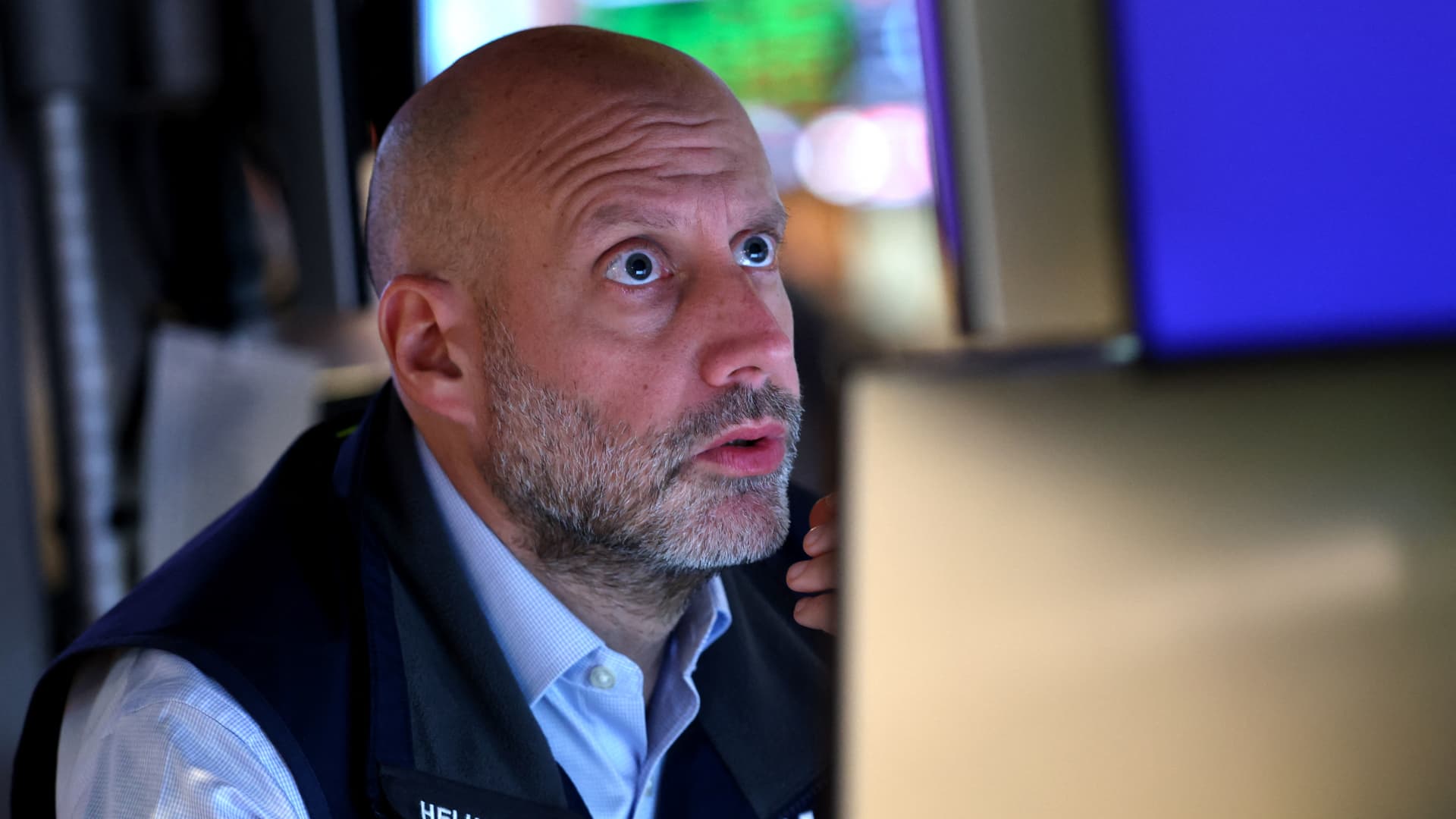
The S&P 500 index tumbled 4.4%, recording its largest decline since April 2025. The Nasdaq 100 index suffered an even more severe drop of 6.4%, wiping out $2.3 trillion in market value within a single day.
The Philadelphia Semiconductor Index, which is home to chip giants, tumbled 12%. Qualcomm and Arm Holdings Plc faced pressure due to underwhelming financial forecasts. Tesla and SpaceX both fell by at least 9%.
After mid-term elections, Democratic Party leaders plan to curb the expansion of the artificial intelligence industry: "Immediately suspend the construction of national data centers"
After achieving a major victory in the mid-term elections held on Tuesday, some members of the Democratic Party in the United States have signaled their desire to take action regarding the expansion of the artificial intelligence industry, particularly with regard to data center construction.
On Thursday, the selling pressure increased further, with investors concerned that a Democratic victory could substantially impact data center construction. Chip stocks led the decline. NVIDIA fell by 8%, and AMD tumbled by more than 14%.
According to five officials familiar with the negotiations, Iran is reviewing a series of proposals put forward by the mediators, which could determine the future of its nuclear program. This marks a potential breakthrough in the diplomatic efforts to end the stalled US-Iranian war.
These officials stated that Iran's willingness to rejoin nuclear negotiations after weeks of refusing to make concessions indicates that the mediation efforts led by Qatar in recent times to prevent a resumption of full-scale war have been somewhat successful. They referred to the terms under consideration as "specific proposals," but did not provide detailed details.
Apple plans to issue investment-grade bonds for the first time in over a year to raise approximately $7 billion, which will be used for purposes such as stock repurchases, adding another significant amount to the recent wave of bond issuance by major U.S. tech giants.
According to people familiar with the matter, the scale of this bond issuance has not yet been finalized and may still be adjusted according to investor demand. The funds raised from the bond issuance will be used for general corporate purposes, including share repurchases, dividend payments, and capital expenditures.
Informed sources also stated that this iPhone manufacturer will issue seven tranches of bonds this time, with maturities ranging from two to ten years.
Microsoft once helped to spur a craze for "new cloud" services. In order to meet the huge market demand for its cloud services and AI services, the company signed contracts worth billions of dollars with emerging data center operators.
Nowadays, as new cloud companies face project delays, regulatory obstacles, and high costs, some of Microsoft's key executives are feeling regret.
Insiders revealed that Microsoft is strengthening supervision over data center projects involving Nebius Group NV, IREN Ltd, and Nscale Plc. The company is withdrawing from projects that are considered to carry higher risks and is also discussing internally whether to sign any new cloud deals.
Richmond Federal Reserve Chairman Thomas Barkin said on Thursday that he expects the Federal Reserve to raise interest rates further, but he is unable to determine the extent and specific pace of those rate hikes.
This interview was part of the 2026 Richmond Fed CFO Summit, where Barkin expressed concerns about inflation, stating that monetary policy needed to be adjusted.
In an interview, he said, "The unemployment rate is near historic lows, yet inflation levels are too high. This means that the overall direction is actually quite clear. Of course, the issue lies in the pace of interest rate hikes."