

On November 5, 2026, as investors faced the prospect of tighter data center regulations following the Democratic Party's victory in the midterms, the AI stock market plummeted, with the market value of listed companies evaporating by approximately $2.9 trillion. Due to growing concerns about the returns on massive investments in artificial intelligence, the Nasdaq Composite Index fell by 5.52%, entering a correction period.
Key Points
- The Nasdaq Composite Index fell by 5.52%, entering a correction zone.
- The Democratic Party's electoral victory has exacerbated market concerns regarding the infrastructure restrictions on AI.
- Tesla and SpaceX both fell by nearly 10%.
- Selling sentiment spread to Asian and European markets.
AI Stock market crash hits major U.S. stock indices
The Nasdaq Composite Index fell 5.52% to close at 24,315.00 points; the S&P 500 Index declined 4.36% to close at 7,353.73 points. Meanwhile, the Dow Jones Industrial Average lost 1,833.06 points, a decrease of 3.44%, closing at 51,523.06 points, with the decline once exceeding 1,800 points during the session.
Nasdaq entering a correction zone means it has fallen at least 10% from its high point. Both Nasdaq and the S&P 500 have recorded their worst single-day performances since April 2025.
The narrower Nasdaq 100 index fell by 6.3%, with a market value evaporating by $2.3 trillion. The S&P 500 market value decreased by $2.8 trillion; using a broader measurement, the total loss for listed companies was approximately $2.9 trillion.
The reversal on Thursday occurred after the election results were quickly and clearly announced, and the market had previously seen an upward trend. Despite selling pressure, the Nasdaq Composite Index is still more than 30% higher than its level during the 2024 presidential elections.
Election victory raises concerns about data center regulation
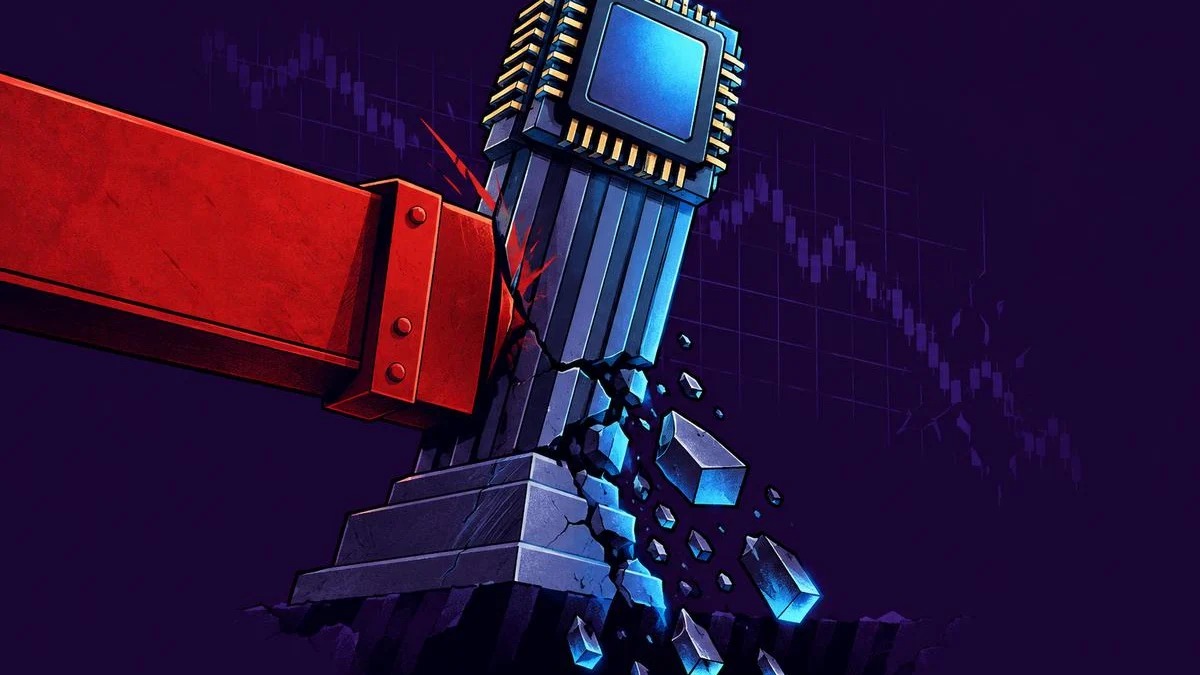
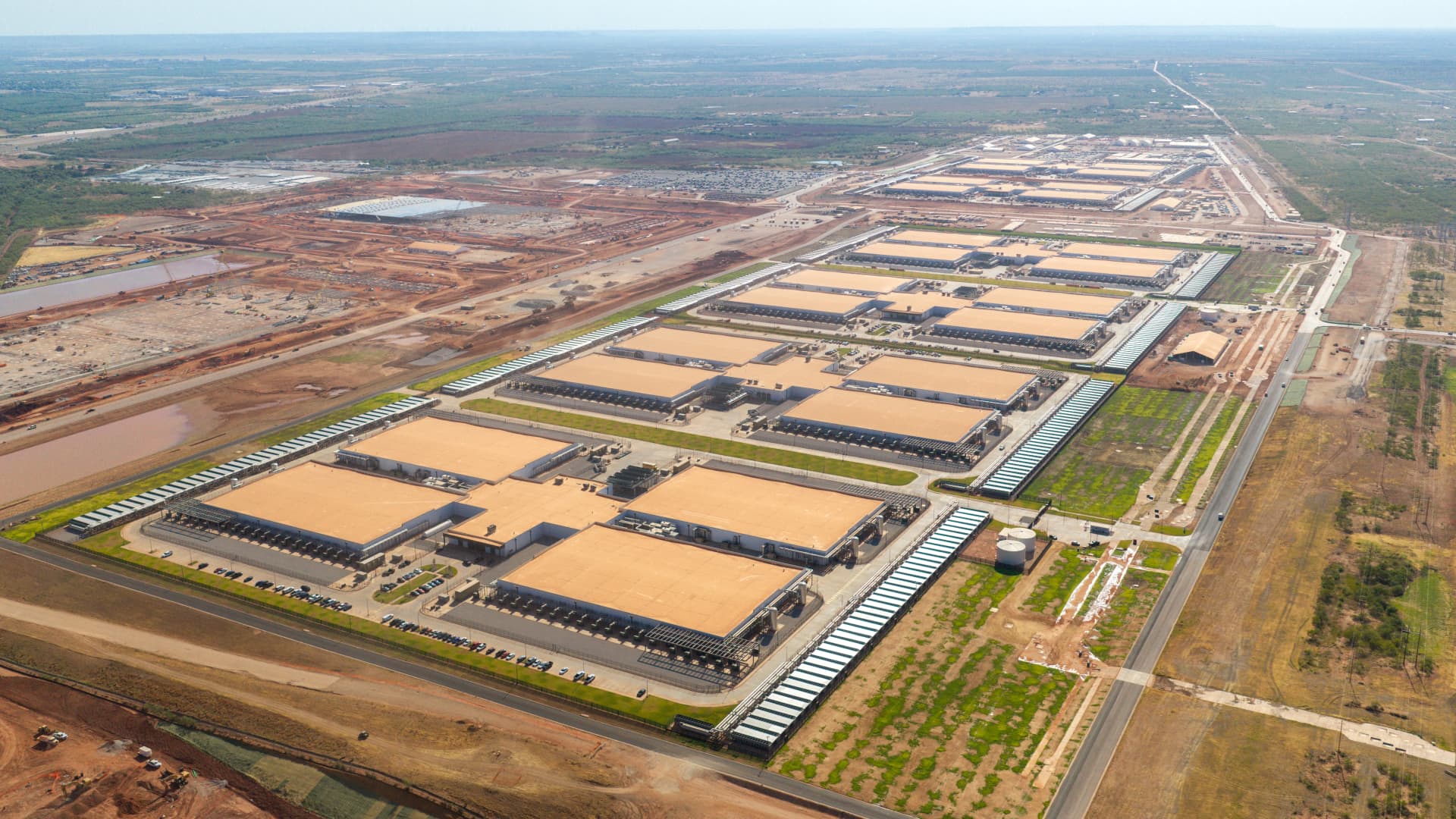
Hundreds of newly elected Democrats once promised to slow down or halt the construction of the AI data center, which has raised concerns among investors that regulations will further tighten. These victories include those of governors, attorneys general, as well as state legislators from key states involved in infrastructure development.
Texas, Ohio, Michigan, and Georgia are of particular interest as they are major data center markets. In Texas, the victory of the incoming governor, Gina Inohosa ( Gina Hinojosa ), was one of the election results that investors did not anticipate.
The market generally expected that the Democrats would win a majority in Congress, but did not anticipate that the scale of their victory would be so large. Investors are concerned that the new Congress, which will convene in January, could turn campaign promises into restrictions on this industry, which is regarded as one of the main drivers of economic growth in the United States.
The substantial consumption of water and energy by data centers is an important reason against their construction. Support for restricting such construction crosses party lines.
This latest plunge in the AI stock market also reflects concerns that investors have long held: billions of dollars have been invested in chip, server, and data center capacity, but there is still doubt as to when these investments will yield returns. Regulatory delays may further prolong this waiting period.
Companies under Musk and chip manufacturers suffer heavy setbacks
After the Democratic Party's victory, markets feared stricter regulations and increased investigations, with both Tesla and SpaceX falling by nearly 10%. Elon Musk had previously invested hundreds of millions of dollars in supporting Republican candidates.
Since the election results were announced, the combined market value of these two companies has evaporated by over $400 billion. Both companies are developing AI, and SpaceX has also become a data center developer.
Yardeni Research's Ed Yardeni ( Ed Yardeni ) warned before the vote that if a Democratic "blue wave" occurred, it could complicate spending and debt negotiations and drive up U.S. Treasury yields. After the sell-off, he said, "Today is the cold shower I expected to happen after a blue wave scenario." However, during trading on Thursday, U.S. Treasury yields still fell slightly.
Asian and European markets follow Wall Street lower
On November 6th, selling sentiment spread overseas, with Asian stock markets experiencing significant declines, and European markets opening weaker. Japan's Nikkei index fell by about 6% during trading, while Seoul's market opened down by 8.5%.
The decline in South Korea's Composite Stock Price Index Kospi triggered a 20-minute circuit breaker. Samsung and SK Hynix initially fell by more than 10% at the opening, but later managed to recover some of their losses. Taiwan's Weighted Index fell by 9%, and both Taiwan and South Korea markets later recovered some of their intraday declines.
European stock markets also opened lower, with the Milan stock market falling by about 1.5%. Despite the decline on Friday, South Korea's Kospi is still close to a 25% increase for the year so far.
This article was generated with the assistance of artificial intelligence and has been reviewed by an editorial team.