On Friday, U.S. stock futures saw mixed gains and losses. On the previous trading day, the artificial intelligence sector suffered heavy selling pressure, with the Nasdaq index falling into a correction zone; this wave of decline has now spread to European and Asian markets as well.
In the Asian and Pacific stock markets, South Korea saw one of the largest declines, with the South Korean Composite Index, which has a high weight of technology stocks, plummeting by over 6%; Japan's Nikkei 225 index fell by 5.9%, also entering a correction zone.
European markets generally declined, with the Pan-European Stoxx 600 index falling by 1.23%. All industry sectors closed in the red, although the technology sector only saw a decline of 0.3%.
Market sentiment is also impacted by rising oil prices. After the mid-term elections, investors' expectations for breakthroughs in diplomatic negotiations have become more pessimistic.
US stock futures show divergence before the opening market: Dow Jones futures tumbled 1.02%, S&P 500 futures were virtually flat, while Nasdaq 100 futures rose 0.85%, slightly recovering from the significant losses on Thursday.
It all stemmed from a large-scale selling pressure during intraday trading on Wall Street on Thursday, with the three major U.S. stock indices recording their worst single-day performances since April 2025. The Nasdaq Composite Index tumbled 5.5%, falling more than 10% from its recent highs and officially entering a correction zone; the broader market indicator, the S&P 500 Index, dropped 4.4%; and the Dow Jones Industrial Average plummeted by over 1,800 points, a decline of 3.4%.
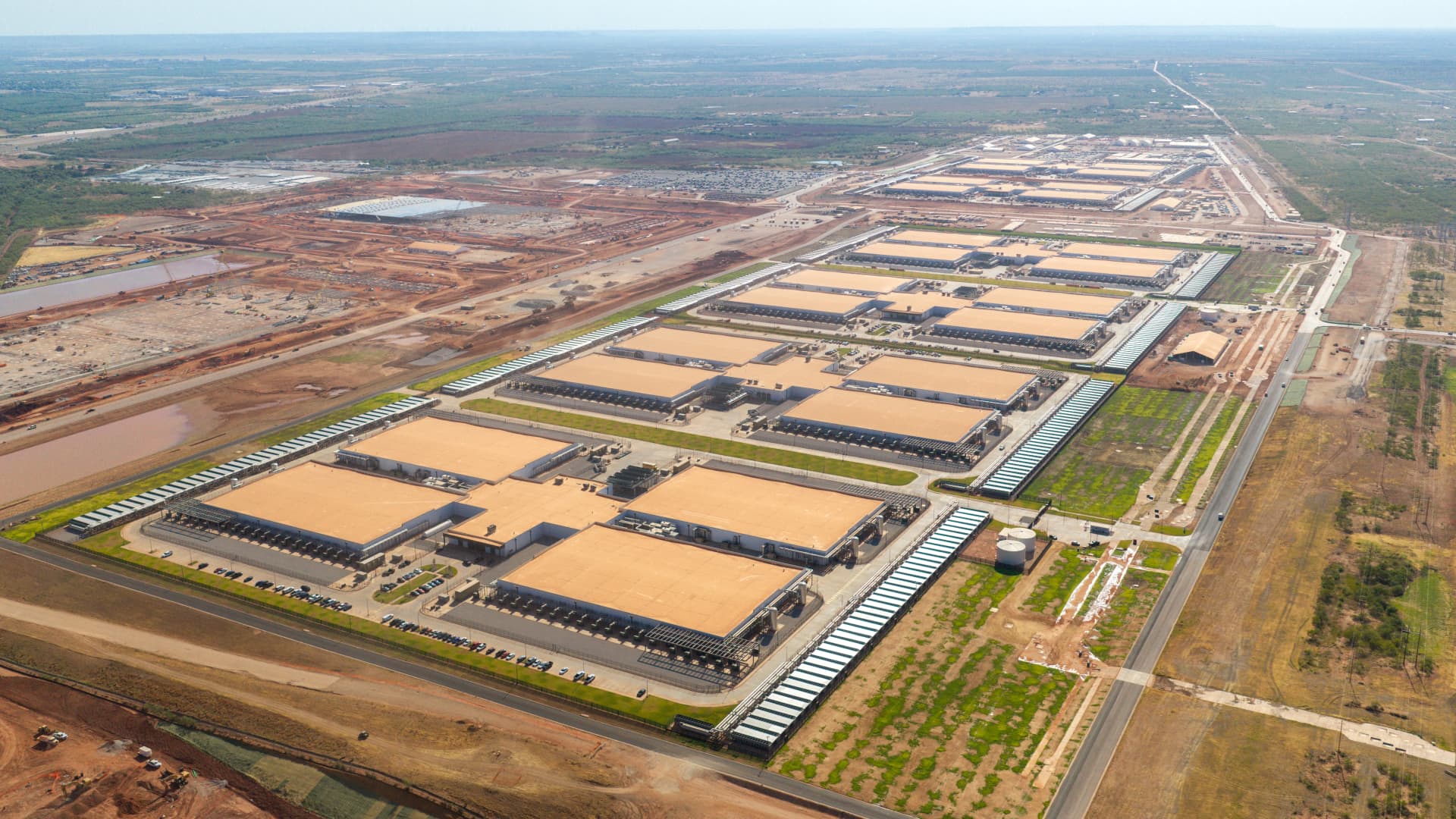
All 11 industry sectors of the S&P 500 closed down, with companies related to AI infrastructure construction suffering the most. The Democratic Party achieved a major victory in both the Senate and the House of Representatives, and also won governorships in key states such as Texas. Traders are concerned that data center construction will face stricter regulations.
Quilt ( Quilter ) Fund Portfolio Manager Stuart Clark stated in an email: "The decline of some market giants is alarming, and it also highlights the growing concentration risk in the U.S. stock market."
"Today, a few technology and semiconductor stocks have a significant impact on the overall market. Once these leaders weaken, the NASDAQ and S&P 500 indices will experience a substantial decline accordingly."
Micron Technology, AMD, tumbled 17% on Thursday; new cloud providers, CoreWeave, fell 10%. Even the "Gorgeous Seven Giants" were not spared: NVIDIA plummeted 9%, with its annual earnings turning negative; these tech giants collectively lost over $1 trillion in market value.
The three major indices are likely to close lower this week: NASDAQ has fallen by 4.4% so far this week, and the S&P 500 is close to 3%; the Dow Jones Index, which consists of 30 components, has performed relatively better, falling only by 0.5% so far this week.
On Friday morning, the October non-farm payroll report will become another major market catalyst. The consensus forecast from the markets surveyed by Dow Jones is that 59,000 new jobs were created last month, with the unemployment rate remaining unchanged at 4.2%.