Other investors include Pantera Capital, GSR Markets, Kraken, their parent company Payward, as well as the Japanese game company gumi.
The scale of this registration is noteworthy, as Evernorth merged through SPAC in October to enter the public market, making it one of the largest enterprise-level XRP vaults on NASDAQ.
On its first day of trading in October, the company experienced significant volatility, with XRPN reaching as high as $19.39 before subsequently giving back most of its initial gains.
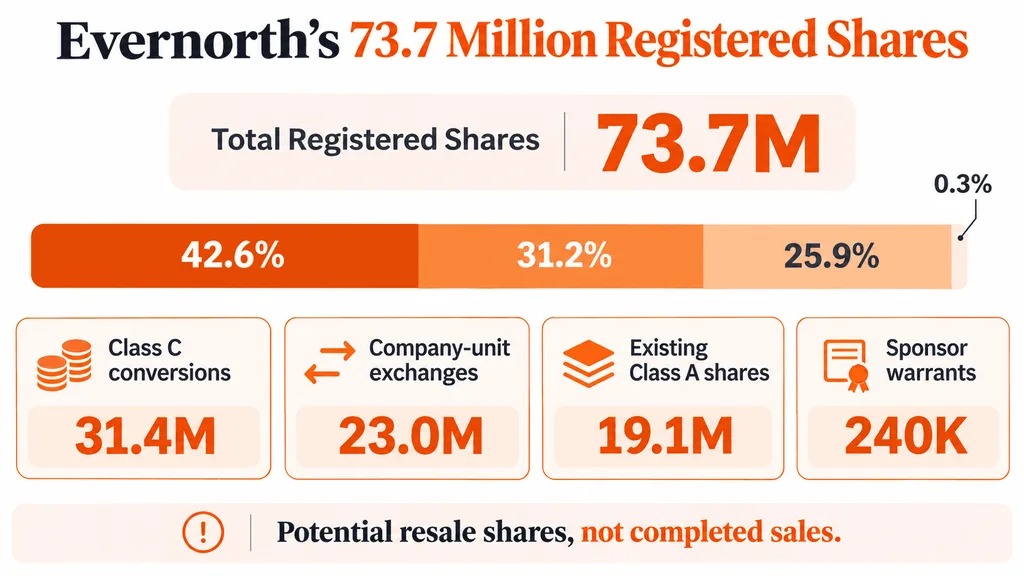
The reason why these categories are important is that conversion and exchange can replace existing ownership interests without necessarily leading to an equivalent dilution of the new economy.
XRP Treasury strategies face new questions from investors
The core of Evernorth's business model is to accumulate XRP, and it may generate returns through institutional financial strategies.
When the company entered NASDAQ, it held approximately 473 million XRP. Subsequently, it announced institutional collaborations involving Ripple, Kraken, Coinbase, and BitGo.
As previously analyzed by Coinpaper, corporate treasuries can provide indirect exposure to cryptocurrencies, while also bringing financing and operational risks.
Currently, the key issues are whether the registration will take effect, when the applicable restrictions will expire, and whether the main holders will actually choose to sell.
Any subsequent impact on XRP will depend on the capital allocation and treasury management decisions of Evernorth.