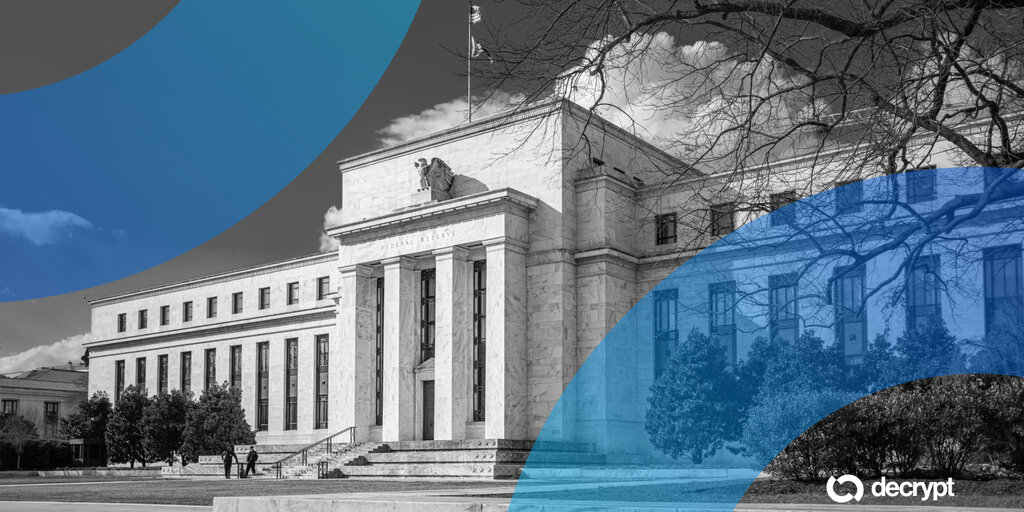
According to the meeting minutes released on Wednesday, Federal Reserve officials stated in October that they were confident that further interest rate hikes would be needed in the future to curb inflation. However, while collecting more information, they decided to refrain from taking action for now.
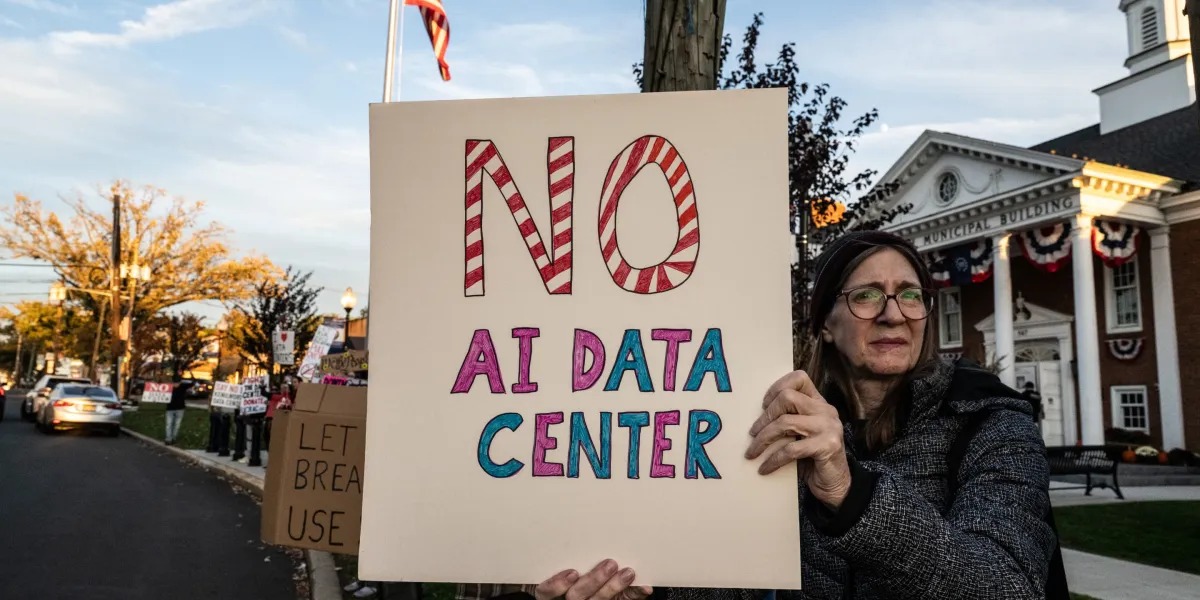
Policymakers have placed artificial intelligence at the center of their discussions, stating that the demands related to this technology will be "an important source of inflation risk."
More broadly, officials stated that "inflationary pressures in the economy are widespread," and they felt it was necessary to take action. Some policymakers advocated for a 25-basis-point interest rate hike at this meeting. Several participants even mentioned that a more substantial interest rate hike might be needed at the next policy meeting in December.
The meeting minutes state, "Almost all participants agreed that, given their baseline projections for inflation and the labor market, further raising the target range for the federal funds rate... is likely appropriate to ensure that inflation returns to the 2% target in a timely manner."
Federal Reserve Board member Christopher Waller reiterated in an interview with CNBC on Wednesday that he believes the Federal Open Market Committee should consider raising interest rates by 50 basis points in December.
Concerns about AI
Officials at the meeting expressed high concern regarding AI, fearing that it could lead to inflation as well as financial instability.
Fed staff presenting to the attendees pointed out that 'off-balance-sheet leasing commitments and revolving financing arrangements between AI related companies may amplify losses if the investment returns of AI fall short of expectations.'
The meeting minutes state: "Most participants noted that the debt related to AI has grown rapidly, and a significant portion of this growth was achieved through complex and opaque financing structures. A minority of participants pointed out that the risk exposure related to AI is increasingly concentrated in the hands of a few companies."
Officials stated that they still expect inflation to decline significantly in 2027 and beyond as the impact of the current shocks gradually subsides.
In the end, the Federal Open Market Committee decided by a vote of 10 to 2 to maintain the benchmark overnight borrowing rate in the range of 3.75% to 4%. Federal Reserve Governor Lisa Cook and Cleveland Fed Chair Beth Harkmark voted against it, advocating for a 25-basis-point increase.
Voters in favor of maintaining the interest rate unchanged "pointed out that accumulating more information would help in determining an appropriate policy stance to ensure that inflation returns to the committee's target of 2% in a timely manner."
Inflation remains a problem.
Since that meeting, inflation data has indicated that the rate of price increases is still far above the target.
In October, the consumer price index rose by 0.4% overall, and the core CPI index, which excludes food and energy, rose by 0.3%. Both figures were 0.1 percentage points higher than expected.
Although these data indicate that inflation remains stubborn, most Fed officials who speak publicly still advocate for a patient approach.
However, on Wednesday, Waller stated that the Federal Reserve may have to "shock" the market by approving a 50-basis-point interest rate hike in December. He is currently the only central bank official to publicly express this view, although Alberto Musalem, the president of the St. Louis Federal Reserve, said he expects to raise rates by another maximum of 1 percentage point by the spring of 2027. As a member of the board, Waller is a fixed voter for FOMC; Musalem will not gain voting rights until 2028.
Chicago Fed Chairman Austin Guthrie said on Friday at CNBC that if the central bank does not take action, there is a risk of losing credibility.
The core concern of policymakers is that the price increases caused by the Iran war and U.S. President Donald Trump's tariffs are, in many cases, merely temporary events that should not trigger policy responses. However, it remains to be seen whether these issues are becoming more entrenched.
According to the FedWatch tool of CME Group, the market has fully factored in the expectation of a 25-basis-point interest rate hike at the meeting on December 8-9, and the likelihood of a 50-basis-point hike is priced lower. Futures traders also believe that there is a considerable possibility of two more interest rate hikes in 2027.