


















MasterCard is shifting payment entry points from traditional web checkout pages to AI dialogue interfaces. On September 9th, the company launched Agent Connect in an attempt to allow merchants to connect to multiple AI shopping assistants and platforms with a single integration, thereby reducing duplicate development costs.
One-time access covers shopping guidance and payment
According to MasterCard's design, once merchants are integrated, they can open up functions such as product search, cart creation, and payment processes to the AI agent. Consumers, while interacting with the AI assistant, will be able to view products, place orders, and complete payments after confirmation.
The company stated that the final purchase still requires user approval. Merchants will continue to have control over product information, pricing, and customer relationships, and will not passively transition to the fulfillment phase after the front-end guidance is completed by AI.
Agent Pay Record of Authorization Scope
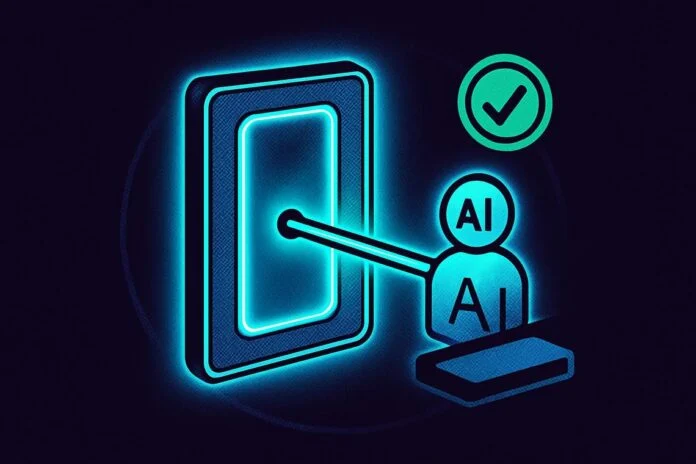
When the AI proxy initiates a purchase on behalf of the user, the key issue is whether the authorization is clear. MasterCard's accompanying Agent Pay records user authorization through tokenization, and then confirms whether the transaction falls within the scope of that authorization.
This means that when a user asks AI to find a certain type of product, it does not imply that they automatically allow it to complete all related purchases. MasterCard hopes to incorporate such transactions into its existing risk control and security systems to reduce the risks of accidental purchases and unauthorized payments.
Stablecoin settlement and licensing are being advanced in tandem.
Agent Connect is built upon Agent Pay, for, and Machines which were launched by MasterCard in June. The latter is designed for high-frequency, small-amount, repetitive automated payment scenarios, allowing software and networked devices to conduct transactions directly under preset rules.
MasterCard stated that such payments can be made through either the traditional bank card network or via stablecoin channels. The company also announced a collaboration with Anthropic to integrate the Claude model into merchants Agent Suite for use in post-sales processes such as order tracking, refund requests, and return processing.
At the ecological level, more than 30 companies already support its AI payment infrastructure, including Stripe, Coinbase, Adyen, Checkout.com, Cloudflare, OKX, and Ripple. In terms of compliance, MasterCard's American subsidiary obtained approval from New York State in May for BitLicense to support its stablecoin and tokenized payment services.