

















At a campaign rally, Trump stated that if the Republican Party continues to control both the House of Representatives and the Senate in the upcoming midterms, he would distribute a $5,000 "dividend" to every adult American citizen. This claim quickly sparked skepticism on both the market and policy levels.
The capital scale exceeds one trillion US dollars.
Estimated based on the adult population of the United States, the financial cost of this program will exceed one trillion dollars. The article points out that such nationwide cash distributions cannot be decided solely by the president and still require congressional approval, with the outcome being uncertain.
In 2020, Trump pushed for larger amounts of COVID-19 stimulus checks, but Congress ultimately reduced the amount to $600. Subsequently, the Biden administration approved an additional $1,400 in payments in 2021. Since then, Republicans have long associated such stimulus measures with high inflation.
The market first looks at deficits and inflation.
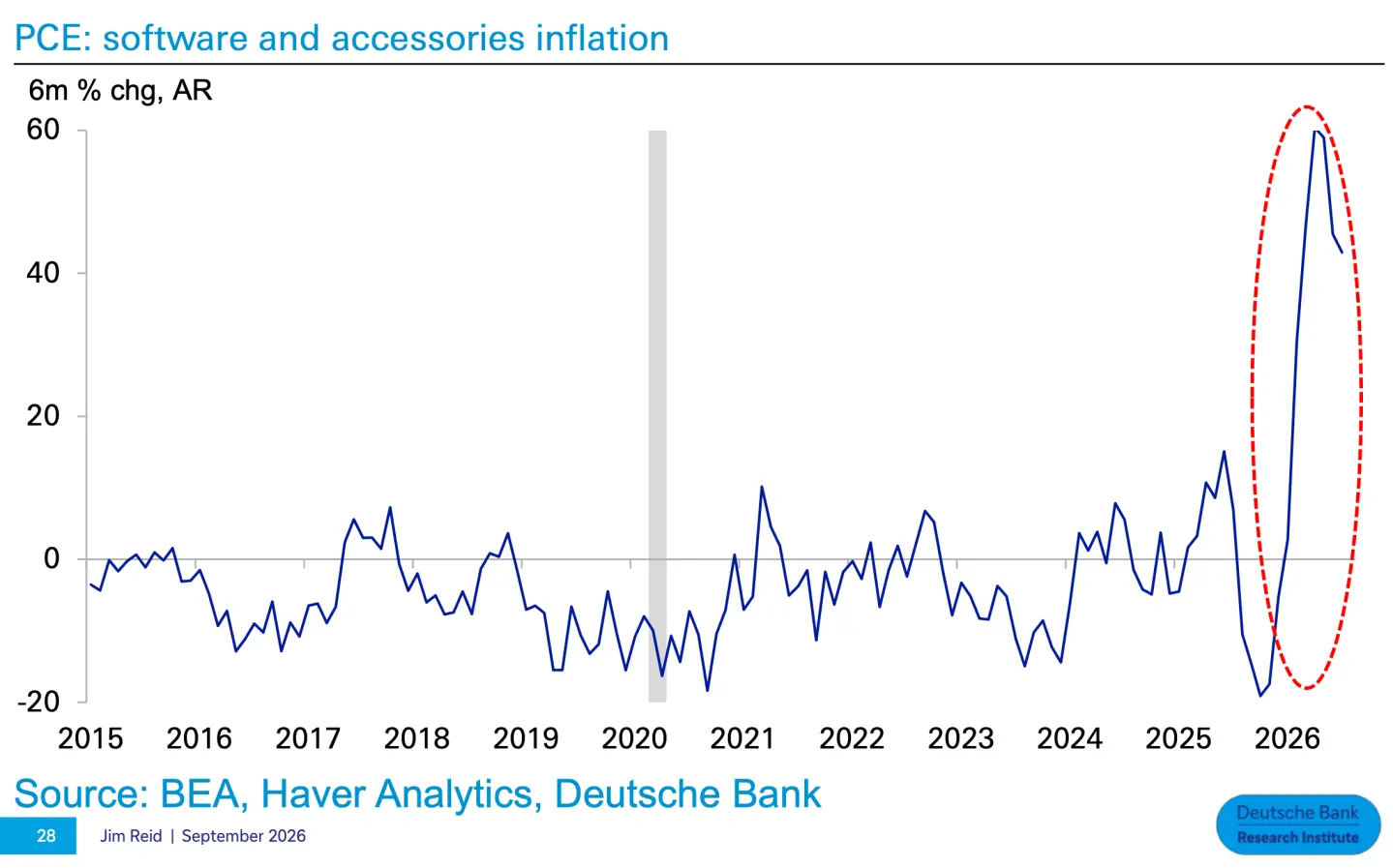
UBS economist Paul Donovan stated that if investors take this commitment seriously, the consequences of deficits and inflation will be very evident, as it could imply a round of fiscal stimulus larger than that during the pandemic period.
The report mentioned that the yield on 30-year U.S. Treasury bonds once again exceeded 5.3% on that day, while the yield on 10-year Treasury bonds rose to 4.9%. This indicates that some investors are still demanding higher risk compensation in order to hold U.S. Treasury bonds.
- 30-year U.S. Treasury yield returns above 5.3%
- 10-year U.S. Treasury yield rises to 4.9%
- Planned costs are expected to exceed one trillion US dollars.
There are still practical obstacles to the execution path.
In addition to fiscal constraints, this commitment also faces legal and political doubts. The article mentions that promising voters cash in exchange for their voting results itself raises questions about its legality.
In addition, it is not clear what Trump specifically means by "dividends." Reports suggest that this term may not necessarily equate to the direct distribution of cash; it could also be interpreted as other forms of economic compensation, such as through lowering inflation or adjusting the cost of long-term debt.
At present, this statement seems more like a policy commitment during the election period. Whether it can actually be implemented depends on whether the Republican Party can gain control of Congress and whether Congress is willing to approve such large-scale fiscal expenditures.