















Eligible users will be able to send USDC overseas, or make payments in local currencies to bank accounts in over 60 countries. The service will commence in late October.
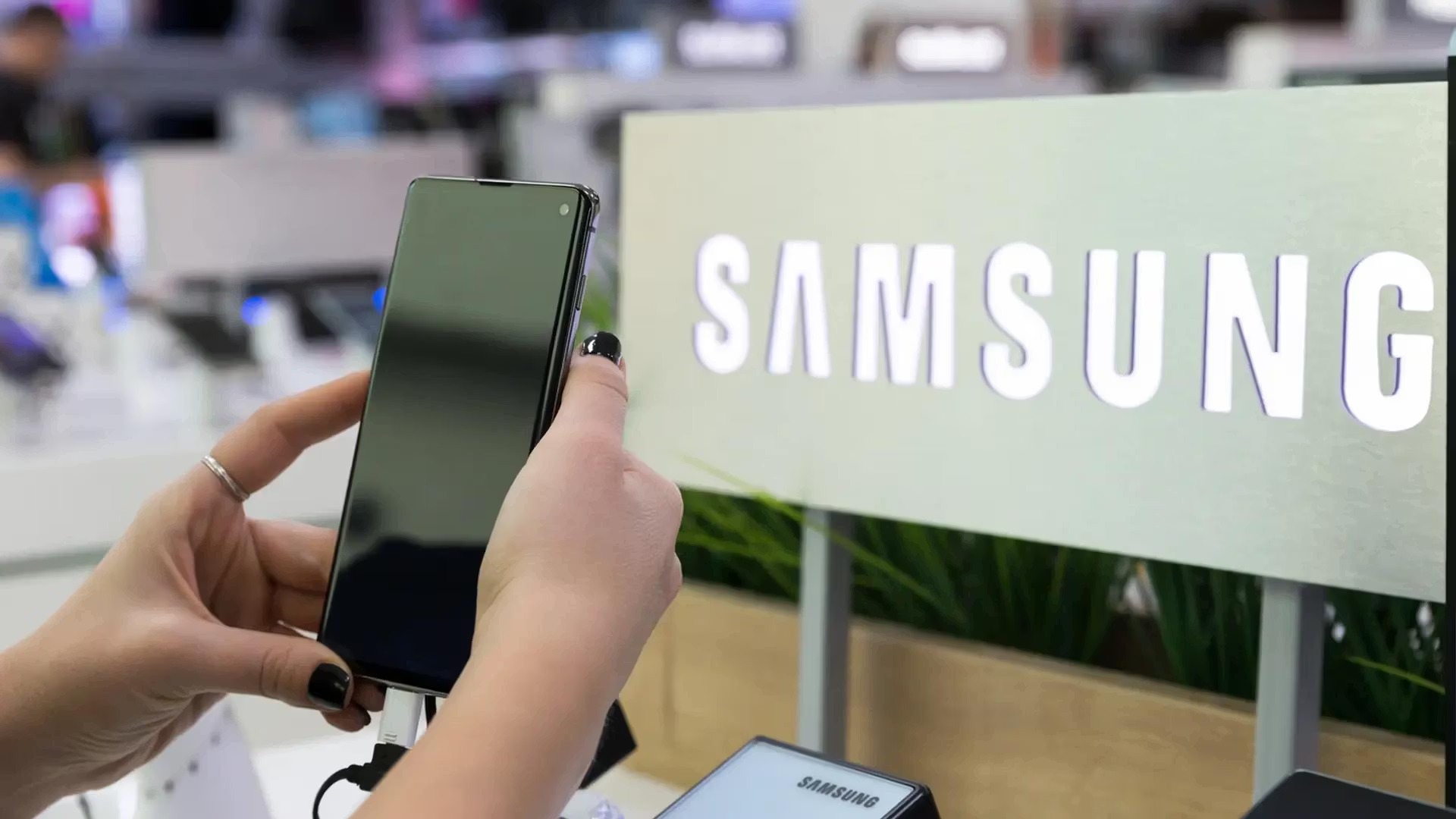
Starting from the last week of October, eligible US Galaxy users will be able to send USDC to overseas compatible cryptocurrency wallets through Samsung Wallet, or remit funds to qualified bank accounts in over 60 countries.
This service will cover 82 million Galaxy devices, will use Coinbase for hosting, Bastion will provide stablecoin infrastructure, and Solana and Sui will provide blockchain support.
Samsung will not charge a fee for transfers to externally compatible wallets, and recipients can also receive local currency without the need to set up an encrypted wallet. However, third-party fees may apply.
Samsung is transforming its wallet app into a cross-border payment tool, allowing eligible users to send USDC to other wallets and bank accounts starting from the last week of October.
"Transferring money overseas should be as convenient as using a wallet that is already available on a mobile phone," said Woncheol Chai, the head of Samsung Electronics' digital wallet team. "We are integrating the USDC transfer function into Samsung Wallet, so eligible Galaxy users can start using it directly without having to install another app or manage their private keys themselves."
Solana indicates that the feature will be available on 82 million Galaxy devices within the United States and is fully compatible with Samsung Wallet, which is already used for bank cards, ID documents, and boarding passes. Solana made the above statement on Wednesday when announcing its partnership with Samsung.
To support this initiative, Solana and Sui will provide underlying blockchain network support. Coinbase will host the stablecoin through Coinbase Prime Vault, while Bastion will provide regulated stablecoin infrastructure.
Through this integration, users will be able to send the stablecoin USDC issued by Circle, which is a token pegged to the US dollar and also the second-largest dollar-pegged token in the world. It is favored by institutions due to its strong regulatory backing. The International Monetary Fund stated in its annual report that the use of stablecoins in cross-border transactions has expanded significantly this year due to the low transaction costs.
Galaxy Users can seamlessly send USDC to overseas compatible cryptocurrency wallets, or directly transfer funds to qualified bank accounts in over 60 countries. Recipients will receive the funds in their local currency. Samsung will not charge any fees for transfers of USDC to compatible external wallets; however, the recipient's wallet or exchange may impose its own fees.
For users, this product eliminates most of the encryption settings typically required for sending stablecoins. Samsung states that customers will provide funds for transfers through integrated deposit and withdrawal channels, and biometric authentication will be required when sending funds from registered Galaxy devices.
This launch transforms Samsung's broader ambitions for stablecoins into a product aimed at consumers. In August, Samsung stated that it planned to add stablecoin savings and payment functions to hundreds of millions of Galaxy phones. Analysts told CoinDesk at the time that this move could potentially make the company an important distribution channel for the digital dollar. The launch in the US market represents its first large-scale deployment.
This integration provided Samsung with a token distribution channel that has always been difficult to establish independently in the history of cryptocurrency companies. By embedding this technology into a familiar payment app installed on tens of millions of phones, it has transformed stablecoins from speculative transactions into a simpler remittance product, allowing recipients to receive fiat currency directly into their bank accounts without even having to open a cryptocurrency wallet.
Industry insiders believe that this framework represents the path for stablecoins to become mainstream in cross-border payments.
"Stablecoins have the potential to make global capital flows faster and easier. We hope that Galaxy users can benefit from this without having to deal with the complexity of traditional cryptographic tools," said Solana Foundation Chairman Lily Liu.
Liu said that stablecoins have proven to be an efficient way for global, fast, and low-cost fund transfers on the blockchain. However, she added that stablecoins previously lacked a path to mainstream adoption, but with Samsung's cooperation, that is no longer an issue.
Borderless also expressed a similar view in the statement sent to CoinDesk.
Borderless.xyz CEO Kevin Lehtiniitty stated through LinkedIn: "Large-scale adoption will never come from people downloading encryption apps, but rather from the phones that already exist in people's pockets. I expect Apple and Google to follow suit, and when they do, cross-border remittances will be as simple as sending a text message."

Samsung has not yet indicated when this feature will be extended beyond the United States. Whether it will be available in the future will depend on local regulations. The company stated that in the future, stablecoin payments in the form of online and touch-to-pay may also be enabled on eligible Galaxy phones.