Tesla and Elon Musk, the CEO of SpaceX, stated that the two companies plan to manufacture and test approximately 10 sets of chip designs annually at the Terafab research and development wafer factory located within the Texas superfactory. Musk mentioned that traditionally, it can take up to two years for an important chip to go from research and development to mass production, and this goal is aimed at significantly accelerating the chip development process.
Musk stated that both companies aim to challenge the risk-aversion mindset prevalent in the chip manufacturing industry. “I believe the initial intention of Tesla and SpaceX in building this wafer factory is to attempt some high-risk, high-reward projects,” he said in an interview.
He emphasized that "10 sets of designs per year" refers to accelerating the manufacturing and testing iteration cycle of chips, not to putting 10 different chips into mass production each year. "We hope to complete about 10 sets of chip designs per year," he added. In the industry, it is already considered a relatively fast pace for a main chip to take two years from the start of design to mass production.
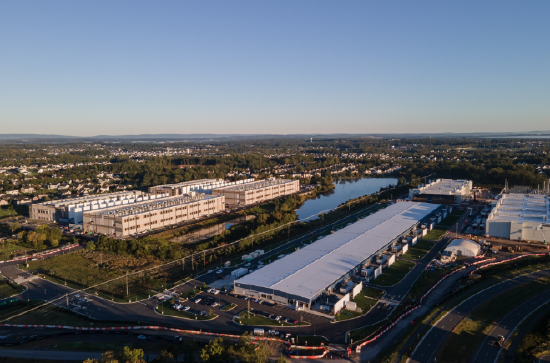
This planned superfactory in Dezhou, which is a wafer fabrication plant, integrates chip manufacturing, testing, packaging, and the production of photolithography masks all within the same building. Musk stated that the team can complete chip testing, produce new versions of photolithography masks, and iterate on new versions without interrupting the research and development cycle. "When you try many different technical approaches, many of them will fail." However, a faster testing mechanism can accelerate the overall R&D progress.
Elon Musk admitted, "I don't have any idea how to manufacture chips at all, but we will figure it out." He stated that realizing this grand vision might take several years: "It might take many years, but in the long run, I am very confident that we can achieve it."
Elon Musk calls this R&D closed-loop a powerful tool: "Within the same building, we complete the manufacturing of the entire unit, conduct testing, then produce new masks and manufacture new versions of chips, thus maximizing the speed of this iterative cycle."
He explained that in the initial stages, Tesla would use existing equipment and modify it to increase production capacity. Subsequently, they would develop customized equipment to address production bottlenecks. The goal of developing "10 sets of designs per year" for wafer factories is not equivalent to the overall plan of Terafab. Musk previously mentioned that the overall project includes two factories, with each factory responsible for mass-producing one type of chip. The entire project aims to supply chips for Tesla cars, Optimus humanoid robots, and space AI data centers.