News from the IT family on October 22: Tesla today released its financial report for the third quarter of fiscal year 2026 (July to September 2026). The report shows that the company's total operating revenue was 28.004 billion US dollars, and its net profit attributable to shareholders was 787 million US dollars.
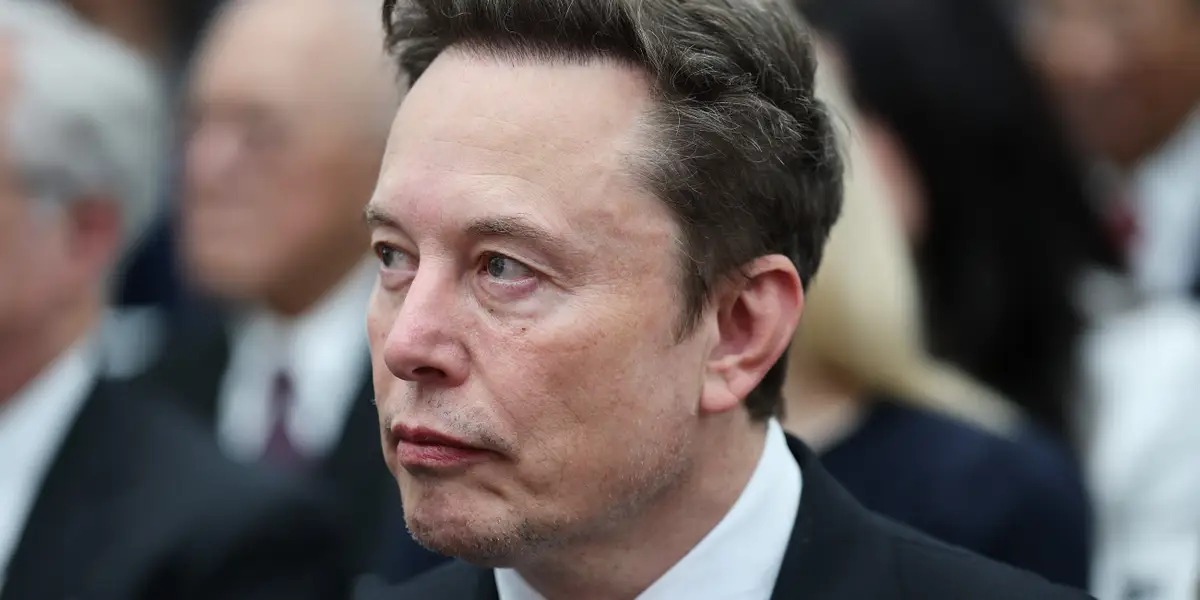
Tesla's Elon Musk, in response to the progress of entering the Chinese market during a financial report conference call, stated that the company is actively striving to obtain broader regulatory approvals and is maintaining cooperation with Chinese regulatory authorities.
Musk also admitted that competition in the field of autonomous driving among domestic Chinese automakers is fierce, and Tesla has not yet truly established a leading advantage.
Tesla's financial report shows that as of the end of the third quarter, FSD had 1.74 million active paid users globally, a year-on-year increase of 67%, an addition of 460,000 from 1.28 million at the end of the first quarter; for the first time, subscribed users accounted for 50%. In North America, over 75% of new cars come with paid FSD enabled at the time of delivery. Musk has referred to assisted driving as the biggest factor driving demand for Tesla.
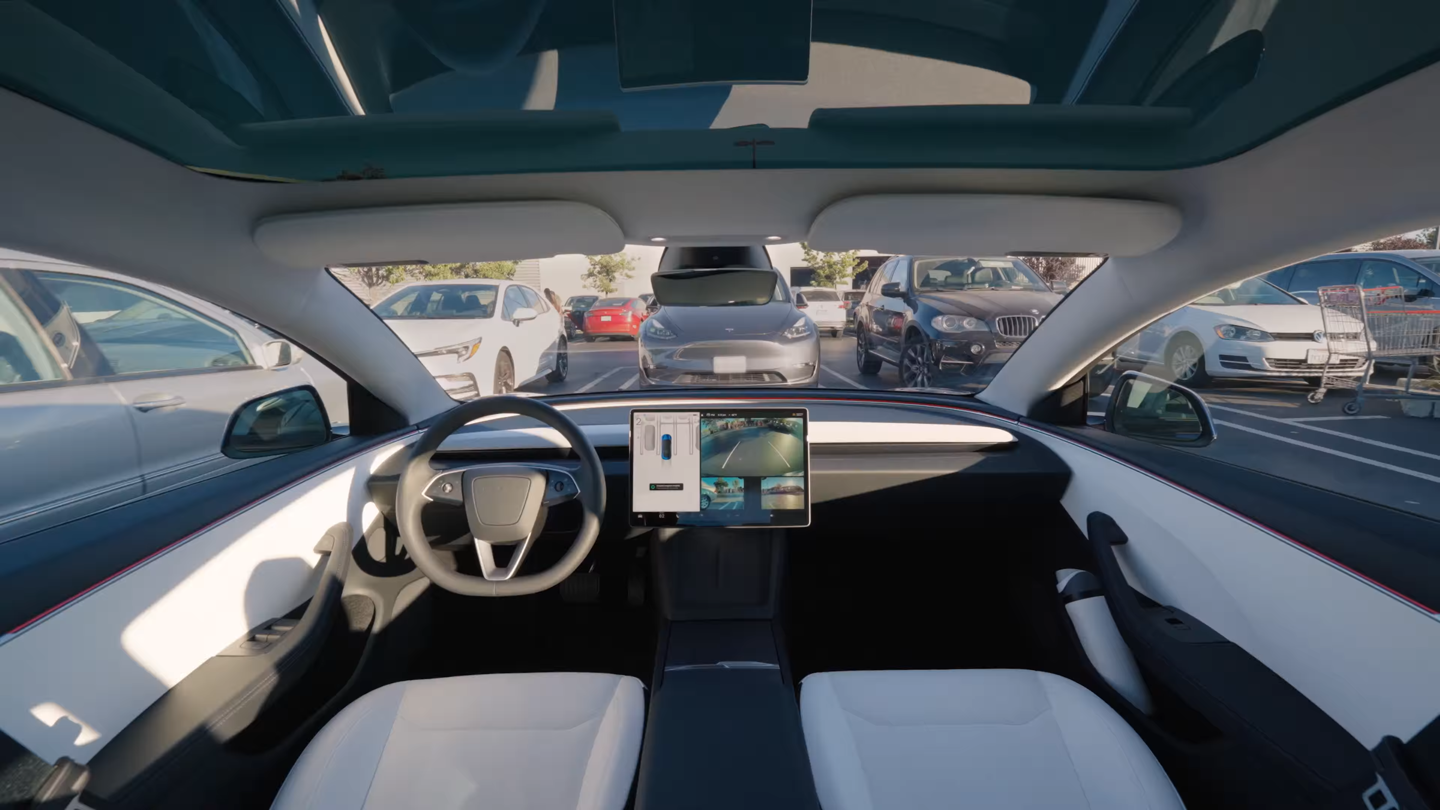
The financial report also shows that the gross profit margin of the automotive business (excluding regulatory points) rebounded from 16.3% in the previous quarter to 18.1%, partly due to the increased revenue from FSD software.
In the European market, as of mid-October, FSD (supervised version) has been approved in nine EU countries: the Netherlands, Belgium, Czech Republic, Denmark, Croatia, Lithuania, Estonia, Slovenia, and Slovakia. It has over 100,000 users and has accumulated a driving distance of more than 160 million kilometers.
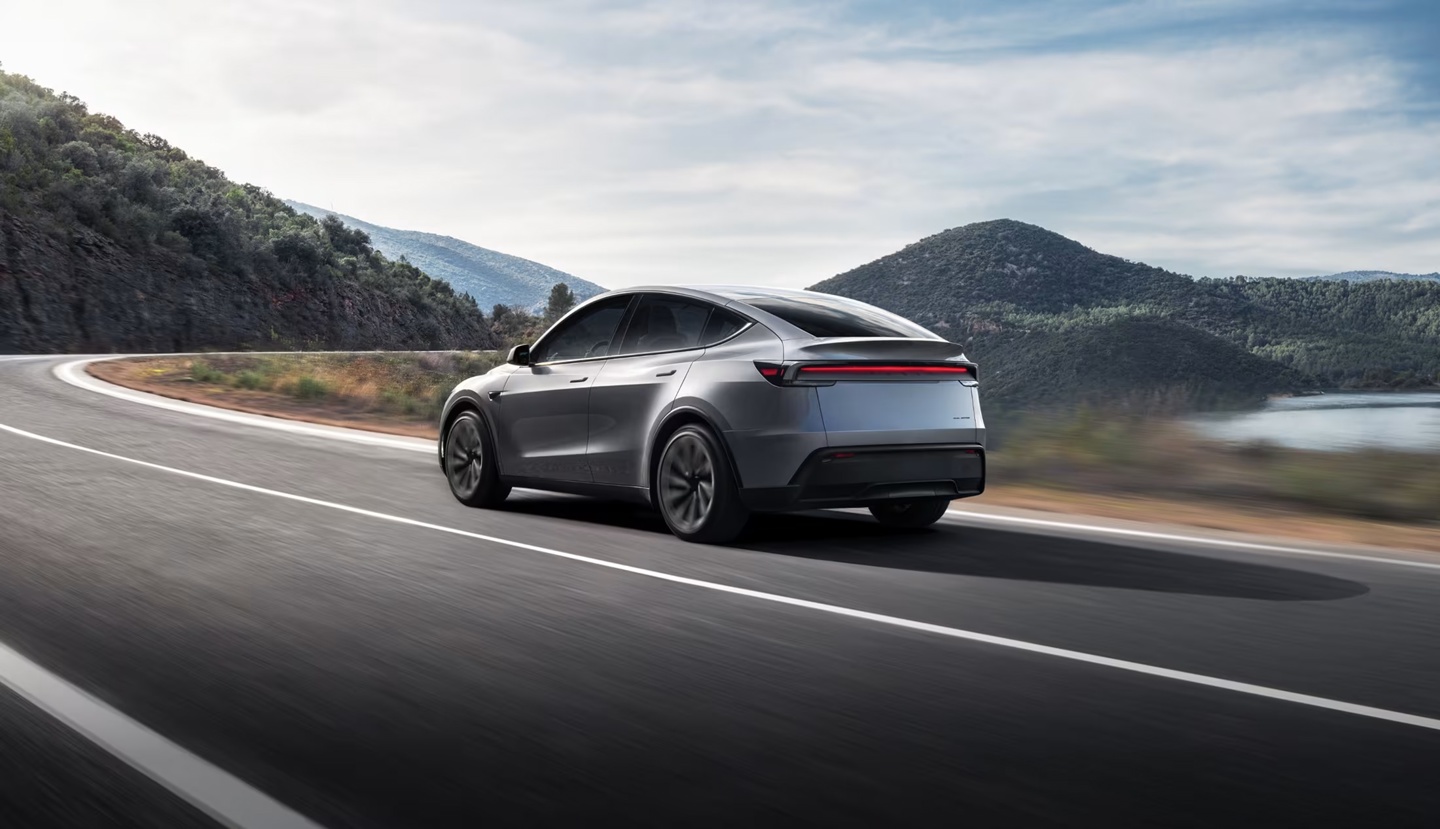
Regarding the time for full EU approval, Musk stated, "It might be implemented within a few months, but it wouldn't be surprising if it gets delayed until the first quarter of next year."
For the Chinese market, Tesla pushed the urban road assisted driving feature to some car owners in February 2025, and on May 21, 2025, officially announced that the FSD supervised version "met the conditions for use in the Chinese market," but a broader and comprehensive approval has yet to be implemented to this day.
The timeline provided by Musk has been postponed several times: in November 2025, he said full approval would be "probably around February or March 2026"; in January 2026, he revised his statement to say "at the earliest next month"; during the April earnings conference call, he once again set the goal for the third quarter. Now that the third quarter has passed, no new timeline has been announced yet.
Mainland China has not yet launched subscriptions for FSD, but it is now available as an optional package for a one-time payment of 64,000 yuan. According to IT Home, the current name for this service is "Tesla Assistive Driving," which includes all the features of both the "Basic Assistive Driving" and "Enhanced Assistive Driving" packages. Meanwhile, Tesla has gradually transitioned to a monthly subscription model in other global markets.
In addition, Tesla's AI training center located in Lingang, Shanghai, began operations in February 2026. The Shanghai data center has achieved domestic storage of driving data, and the relevant vehicle models have passed four automotive data security standard certifications.
The report indicates that compliance requirements preventing data from leaving the country have severed the interconnectivity of the global data pool. Local training cycles require time to accumulate high-value scenario samples, yet the iteration speed of China's intelligent driving market will not pause during this waiting period.