



















The U.S. Department of Justice has sent information requests to Publix and seven other major retailers to investigate the reasons for the continuous rise in beef prices in the United States. The regulatory authorities have not yet accused these companies of any illegal activities; the focus is on verifying whether there are practices in each link from meat processing to supermarket retail that have contributed to the higher end prices.
The scope of the investigation covers pricing and profits.
The Antitrust Division of the U.S. Department of Justice stated that it has requested Publix, Walmart, Kroger, Albertsons, Aldi, Ahold Delhaize USA, Costco, and Amazon to submit information. The relevant correspondence was sent in July and covers topics such as beef sales, retail prices, wholesale procurement costs, profit margins, pricing strategies, as well as the internal analyses of these companies regarding the trends in the beef market.
This means that the scope of the investigation will not only look at the prices on supermarket shelves but also track wholesale procurement and profit distribution. The Ministry of Justice is trying to clarify whether the current high meat prices are more due to tight supply upstream or price increases at the retail end.
Beef prices have risen faster than overall inflation.
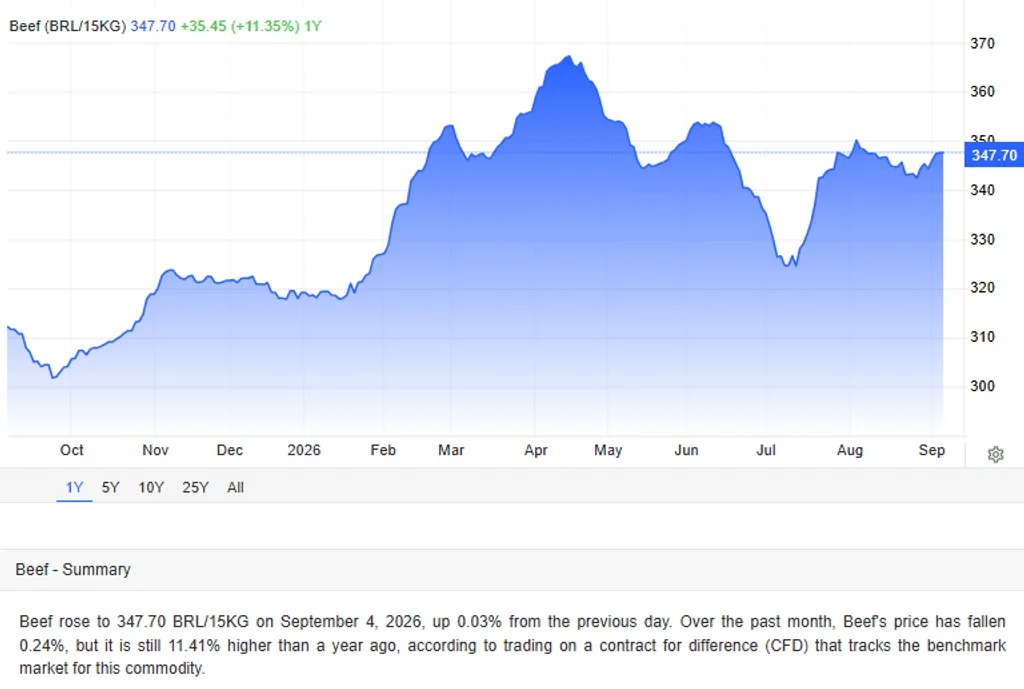
The background of this survey is that American consumers are facing significantly higher expenses for beef. The report mentions that in July, the average price of ground beef in the United States was about $6.89 per pound, and the prices for both beef and veal as a whole increased by 9.4% compared to the same period last year.
Publix has also felt the pressure of consumption. The company's sales in the second quarter of this year were $15.7 billion, but same-store sales declined by 0.5%. The company listed the economic environment and consumer spending pressures as one of the factors affecting its performance.
Tight supply remains an important reason.
Data from the US Department of Agriculture shows that as of July 1, the number of beef cattle in the United States was approximately 28.5 million, a 1% decrease from the same period last year; the production of calves is expected to decline by 2% in 2026. The tight supply of cattle has pushed up costs throughout the beef supply chain.
The Trump administration has also recently taken measures on the supply side, including expanding access to imported beef with lower tariffs, and on September 4th announced further support for ranchers and an expansion of meat processing capacity. For consumers, if this investigation makes progress, it may reveal more clearly how much of the current cost of beef is due to a shortage of cattle, processing costs, wholesale prices, and retail profits.